
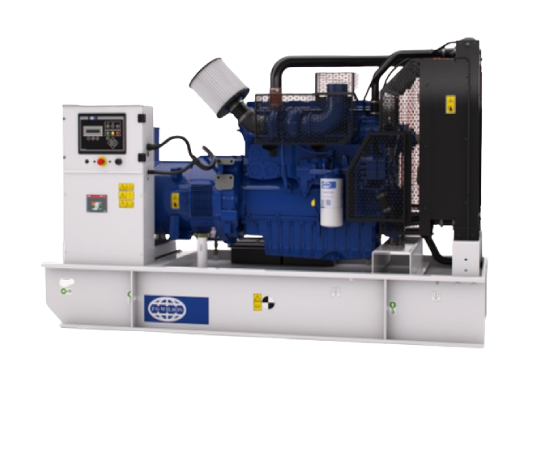
Reliable electricity is the backbone of modern life and business, yet power interruptions remain a reality across many parts of Kenya. From manufacturing plants and hospitals to offices and residential communities, outages can disrupt productivity, damage equipment, and increase operational costs. Effective backup power planning is no longer optional; it is a strategic necessity. For many organizations, solutions such as Diesel Generators in Kenya form a critical part of long-term energy resilience, ensuring continuity even during prolonged grid failures.
This guide explores expert-backed insights into planning, implementing, and maintaining reliable backup power systems suited to Kenya’s unique operating environment.
Understanding Kenya’s Power Landscape
Why Power Interruptions Still Occur
Kenya has made significant progress in expanding electricity access, but challenges persist. Grid congestion, aging infrastructure, weather-related disruptions, and rising demand often lead to intermittent supply. Rural and industrial zones are particularly vulnerable to unexpected outages that can last hours or even days.
The Real Cost of Downtime
Power interruptions can have far-reaching consequences. Businesses may face halted production, data loss, damaged machinery, and missed deadlines. For essential services like healthcare, water supply, and telecommunications, downtime can quickly become a safety and public welfare issue. Planning for backup power helps mitigate these risks before they escalate.
Foundations of Effective Backup Power Planning
Assessing Your Power Requirements
The first step in any backup strategy is understanding your actual energy needs. This involves identifying critical loads, such as servers, medical equipment, security systems, and essential lighting. Not all operations require full-facility backup, and prioritizing critical systems can reduce costs while maintaining continuity.
Determining Backup Duration
Another key factor is how long your backup system must run. Short outages may only require limited coverage, while facilities in outage-prone areas should plan for extended runtimes. Duration planning influences system size, fuel storage, and maintenance schedules.
Evaluating Site Conditions
Physical space, ventilation, noise regulations, and environmental factors all play a role. Urban facilities may require compact and sound-attenuated systems, while industrial sites might prioritize capacity and durability over footprint.
Choosing the Right Backup Power Technology
Generator-Based Systems
Generators remain one of the most dependable backup power options due to their ability to deliver consistent output over long periods. When properly sized and maintained, they can support both small facilities and large industrial operations with minimal interruption.
Hybrid Power Solutions
Hybrid setups combine generators with batteries or renewable energy sources. These systems reduce fuel consumption, improve efficiency, and provide smoother transitions during outages. They are especially useful for facilities aiming to lower operational costs and emissions.
Uninterruptible Power Supplies
UPS systems are ideal for protecting sensitive electronics from sudden voltage drops or brief outages. While they cannot sustain long runtimes alone, they play an important role in bridging gaps until larger backup systems engage.
Installation and System Design Considerations
Proper Sizing and Load Management
Oversized systems waste fuel and capital, while undersized ones risk failure under load. Accurate load calculations ensure the system can handle peak demand without strain. Load management strategies, such as staged startup, further improve reliability.
Compliance and Safety Standards
Backup systems must comply with local electrical, environmental, and safety regulations. Proper grounding, fire protection, and exhaust management are essential to protect people and property while avoiding regulatory issues.
Automation and Monitoring
Automatic transfer switches and remote monitoring significantly enhance system reliability. Automation ensures power is restored quickly without manual intervention, while monitoring tools provide real-time insights into performance and fuel levels.
Fuel Management and Operational Efficiency
Planning for Fuel Availability
Fuel logistics are a critical part of backup planning. Secure supply contracts and on-site storage help prevent shortages during extended outages. Facilities should also plan for safe storage and regular quality checks.
Improving Fuel Efficiency
Modern systems are designed to optimize fuel use, but operational practices also matter. Running systems at optimal loads, scheduling maintenance, and avoiding unnecessary runtime all contribute to better efficiency and lower costs.
Environmental Considerations
Emissions and noise are growing concerns, especially in densely populated areas. Selecting systems with efficient engines, proper enclosures, and emission controls helps meet environmental expectations while maintaining performance.
Maintenance and Reliability Planning
Preventive Maintenance Schedules
Routine maintenance is essential to ensure backup systems perform when needed. Regular inspections, oil changes, filter replacements, and test runs reduce the risk of unexpected failure during critical moments.
Load Testing and Performance Checks
Periodic load testing verifies that the system can handle real-world demand. These tests identify weaknesses early and help fine-tune performance before an actual outage occurs.
Training and Documentation
Having trained personnel and clear operating procedures ensures quick response during emergencies. Documentation of system specifications, maintenance history, and emergency contacts simplifies troubleshooting and decision-making.
Industry-Specific Backup Power Needs
Healthcare and Emergency Services
Hospitals and clinics require uninterrupted power for life-support equipment, diagnostics, and critical care. Backup systems here must be highly reliable, redundant, and tested frequently.
Manufacturing and Industrial Operations
Production facilities depend on stable power to protect machinery and meet output targets. Backup planning focuses on high-capacity systems and efficient load management to avoid costly downtime.
Commercial and Data-Driven Businesses
Offices, data centers, and retail operations rely on power for IT systems, security, and customer service. Even short outages can impact revenue and reputation, making rapid-response backup solutions essential.
Planning for the Future
Scalability and Expansion
Power needs evolve as businesses grow. Choosing systems that can be scaled or integrated with additional units ensures long-term flexibility without major reinvestment.
Integration with Renewable Energy
As renewable energy adoption increases, backup systems can be designed to work alongside solar or other clean sources. This approach improves resilience while supporting sustainability goals.
Also Read this: Rental Yield Insights for Gurgaon Properties
Risk Assessment and Continuous Improvement
Backup power planning is not a one-time exercise. Regular risk assessments, system reviews, and updates ensure that solutions remain aligned with operational realities and emerging challenges.
Conclusion
Effective backup power planning in Kenya requires a thoughtful balance of assessment, technology selection, installation quality, and ongoing maintenance. By understanding power risks, prioritizing critical loads, and investing in reliable systems, organizations can protect operations and maintain confidence during outages. Whether supporting essential services or commercial activities, a well-planned backup strategy ensures resilience, efficiency, and peace of mind in an increasingly power-dependent world.




One Response