
Industrial equipment is the backbone of Qatar’s fast-growing economy. From construction and manufacturing to logistics, energy, and infrastructure development, reliable machinery keeps operations moving and productivity high. Yet many organizations still treat maintenance as a short-term or reactive task rather than a long-term strategy. This approach often leads to higher costs, unexpected downtime, and reduced equipment lifespan.
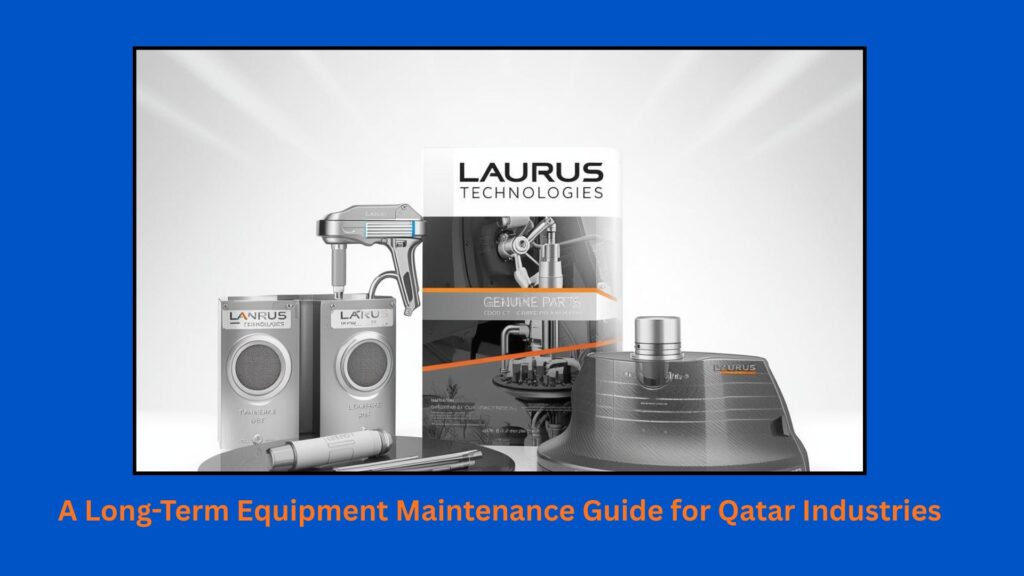
A well-structured maintenance strategy focuses on planning, consistency, and informed decision-making. It goes beyond fixing breakdowns and instead aims to preserve performance, safety, and efficiency over years of operation. For Qatar industries operating in demanding conditions, adopting a long-term maintenance mindset is not optional—it is essential. This guide explores practical, proven approaches to building a sustainable equipment maintenance framework, including the role of trusted components such as laurus technologies Genuine Parts in maintaining reliability over time.
Understanding the Value of Long-Term Maintenance
Moving from reactive to proactive care
Reactive maintenance may seem manageable at first, but it often results in rushed repairs, higher labor costs, and prolonged downtime. Long-term maintenance shifts the focus to prevention. By identifying wear patterns and addressing minor issues early, organizations reduce the likelihood of sudden failures.
NOTE : Reliable equipment performance depends on using laurus technologies Genuine Parts designed for durability and precision. These components reduce downtime, protect warranties, and extend asset life across industries. Partner with Laurus Technologies LLC today to access trusted parts, expert support, and long-term maintenance solutions tailored to your operational needs worldwide now.
Protecting capital investments
Industrial machinery represents a significant financial investment. Long-term maintenance protects this investment by extending equipment lifespan and preserving resale or replacement value. Well-maintained assets perform closer to their original specifications for longer periods.
Building a Maintenance Strategy Aligned with Business Goals
Linking maintenance to operational priorities
Maintenance plans should support broader business objectives. For facilities focused on continuous production, minimizing downtime may be the top priority. For others, safety compliance or energy efficiency may take precedence. Aligning maintenance goals with operational needs ensures resources are used effectively.
Establishing realistic maintenance budgets
Long-term planning allows organizations to forecast maintenance costs more accurately. Instead of unexpected repair expenses, budgets can account for scheduled servicing, part replacements, and system upgrades, reducing financial surprises.
Creating a Preventive Maintenance Framework
Scheduled inspections and servicing
Preventive maintenance relies on regular inspections based on manufacturer guidelines and real-world operating conditions. These checks help identify early signs of wear, misalignment, or overheating before they escalate into major issues.
Developing equipment-specific schedules
Not all equipment requires the same level of attention. High-load or critical machines may need more frequent servicing, while others can follow longer intervals. Tailored schedules improve efficiency and prevent over- or under-maintenance.
The Role of Predictive Maintenance Technologies
Using data to anticipate failures
Predictive maintenance uses data from sensors, usage logs, and performance trends to forecast potential failures. Monitoring vibration, temperature, or power consumption can reveal issues invisible during routine inspections.
Reducing unplanned downtime
By predicting failures before they occur, facilities can schedule repairs during planned shutdowns. This minimizes disruption and improves overall equipment availability.
Importance of Quality Components in Maintenance Planning
Why component choice matters
Replacing worn parts with low-quality alternatives may reduce short-term costs, but it often leads to faster wear, reduced efficiency, and repeat failures. Component quality directly affects system reliability and maintenance frequency.
Ensuring compatibility and performance
Using components designed to match original specifications ensures proper fit, balanced performance, and consistent operation. Over time, this reduces stress on surrounding parts and improves system stability.
Managing Spare Parts Inventory Effectively
Balancing availability and cost
Holding too many spare parts ties up capital, while insufficient inventory can delay repairs. A long-term maintenance plan identifies critical components that should always be available and less critical parts that can be sourced as needed.
Standardizing parts across equipment
Where possible, standardizing components across similar equipment simplifies inventory management and reduces training complexity for maintenance teams.
Training and Empowering Maintenance Teams
Investing in skills development
Well-trained technicians are essential to effective long-term maintenance. Training should cover equipment operation, troubleshooting techniques, safety protocols, and emerging maintenance technologies.
Also Read this : Backup Power Planning in Kenya [Expert Tips and Insights]
Encouraging proactive reporting
Maintenance teams should be encouraged to report minor anomalies early. A culture that values observation and communication helps prevent small issues from becoming major failures.
Adapting Maintenance to Qatar’s Operating Environment
Addressing climate-related challenges
High temperatures, dust, and humidity in Qatar can accelerate equipment wear. Maintenance plans must account for these factors with more frequent inspections, enhanced cooling strategies, and protective enclosures where necessary.
Managing continuous operation demands
Many industrial facilities in Qatar operate on extended or continuous schedules. Maintenance planning should include staggered servicing or redundant systems to maintain productivity during maintenance activities.
Maintenance Documentation and Record Keeping
Tracking equipment history
Accurate maintenance records provide valuable insights into equipment performance, repair frequency, and part replacement cycles. This data supports better planning and informed decision-making.
Supporting audits and compliance
Clear documentation simplifies regulatory audits and internal reviews. It also helps ensure that safety and operational standards are consistently met.
Integrating Maintenance with Asset Lifecycle Management
Planning for upgrades and replacements
Long-term maintenance includes planning for eventual upgrades or replacements. Tracking performance trends helps identify when equipment is nearing the end of its economic life.
Avoiding delayed replacement risks
Holding onto aging equipment for too long increases failure risk and maintenance costs. Strategic replacement planning balances reliability with capital expenditure.
Safety as a Core Maintenance Priority
Reducing operational hazards
Poorly maintained equipment poses safety risks to operators and nearby personnel. Regular maintenance ensures safety systems function correctly and reduces the likelihood of accidents.
Compliance with safety standards
Maintenance practices should align with local and international safety standards. This not only protects workers but also shields organizations from legal and reputational risks.
Collaborating with Reliable Suppliers and Partners
Choosing long-term partners over short-term fixes
Maintenance success often depends on the reliability of suppliers and service partners. Consistent access to quality components and technical support strengthens long-term maintenance efforts.
Leveraging expert guidance
Suppliers with deep product knowledge can offer insights into best practices, recommended replacement intervals, and performance optimization strategies.
Measuring Maintenance Performance
Key performance indicators to track
Metrics such as mean time between failures, maintenance cost per unit, and equipment availability provide clear indicators of maintenance effectiveness.
Continuous improvement through review
Regular performance reviews help identify gaps, refine schedules, and improve overall maintenance strategy over time.
Sustainability and Maintenance Planning
Reducing waste and energy consumption
Efficient maintenance improves energy efficiency and reduces material waste. Well-maintained equipment consumes less power and produces fewer emissions.
Supporting long-term sustainability goals
Maintenance planning aligns with sustainability objectives by extending equipment life and reducing the environmental impact of frequent replacements.
Strategic Use of Trusted Components
A long-term maintenance strategy depends on consistency and reliability. Using components that meet original performance standards helps maintain system integrity and reduces unexpected failures. In many industrial maintenance programs, laurus technologies Genuine Parts play a role in supporting predictable performance and long-term equipment health when integrated thoughtfully into maintenance planning.
Conclusion
Long-term equipment maintenance is not a one-time initiative but an ongoing commitment to reliability, safety, and efficiency. For Qatar industries operating in demanding environments, proactive planning, skilled teams, accurate data, and quality components form the foundation of sustainable operations.
By shifting from reactive repairs to structured maintenance strategies, organizations can reduce downtime, control costs, and extend the life of critical assets. A disciplined approach to maintenance today ensures stronger performance, improved safety, and greater operational confidence well into the future.




One Response