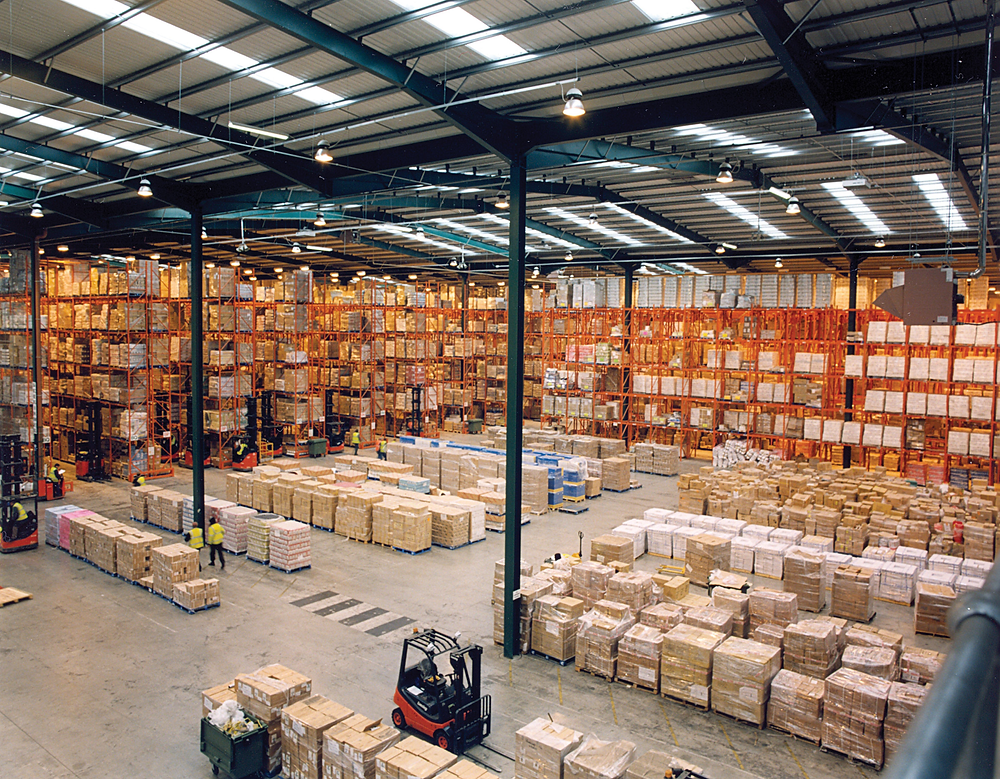
In a distribution warehouse during peak hours, workers move dozens of boxes every minute. Some lift efficiently and confidently, while others struggle with posture and balance. By the end of the shift, the difference is clear in both productivity and physical fatigue.
Many safety professionals only realize the importance of structured manual handling education after reviewing incident reports or comparing training options, sometimes even checking details like the NEBOSH Course Fee before enrolling in formal safety programs. Proper manual handling training is not just about preventing injuries. It directly influences efficiency, morale, and overall workplace performance.
This article explores how correct lifting techniques improve productivity, reduce downtime, and strengthen workplace safety culture.
Understanding Manual Handling Beyond Basic Lifting
Manual handling involves more than picking up and carrying objects. It includes pushing, pulling, lowering, holding, and repositioning loads in various environments.
Without training, employees often rely on physical strength rather than technique. This approach increases strain and reduces endurance.
Proper instruction teaches body mechanics, load assessment, and movement planning. These skills transform routine physical tasks into controlled and efficient actions.
The Link Between Safety and Productivity
Some organizations mistakenly view safety training as separate from productivity goals. In reality, the two are closely connected.
When employees use correct lifting methods, they experience less fatigue. Reduced strain allows them to maintain consistent performance throughout the workday.
Fewer injuries also mean fewer disruptions. Teams operate smoothly when workers are physically capable and confident in their tasks.
How Poor Manual Handling Reduces Efficiency
Improper lifting does not always cause immediate injury. Often, it leads to slower task completion and repeated adjustments.
Workers who lift incorrectly may need frequent breaks due to discomfort. Over time, small inefficiencies accumulate and affect overall output.
Additionally, injury-related absences create workflow gaps. Colleagues must compensate, which can increase pressure and risk across the team.
Physical Benefits of Proper Training
Correct manual handling techniques protect muscles, joints, and the spine. This reduces both acute injuries and long-term disorders.
Employees trained in safe lifting understand how to distribute weight evenly. They learn to keep loads close to the body and avoid twisting motions.
As a result, they experience:
- Reduced lower back strain
- Improved balance and coordination
- Greater endurance during repetitive tasks
- Lower risk of musculoskeletal disorders
These benefits translate into sustained physical performance.
Building Confidence Through Skill Development
Training enhances more than physical safety. It strengthens worker confidence.
When employees know how to assess load weight and posture correctly, hesitation decreases. They approach tasks methodically rather than impulsively.
Confidence reduces errors. Workers who understand proper technique are less likely to rush or take shortcuts.
The Role of Management in Reinforcing Safe Practices
Training must be supported by leadership. Supervisors set the tone for workplace behavior.
If managers prioritize safe lifting, employees are more likely to follow guidelines. Regular observations and constructive feedback reinforce learning.
Organizations should integrate manual handling procedures into daily routines rather than treating them as occasional reminders.
Practical Techniques That Improve Performance
Manual handling training focuses on practical actions that directly improve workflow.
1. Core Safe Lifting Techniques
- Assess the load before touching it
- Position feet to maintain stable balance
- Bend knees while keeping the back neutral
- Keep the load close to the torso
- Avoid twisting by turning with the feet
These steps minimize wasted movement and reduce physical stress.
2. Efficient Team Lifting Strategies
- Communicate clearly before lifting
- Assign one person to coordinate movement
- Lift and lower simultaneously
- Ensure equal load distribution
Team coordination improves speed while maintaining safety.
Reducing Workplace Downtime Through Prevention
Injury-related downtime affects schedules and project deadlines. Even minor strains can result in restricted duties.
When employees receive proper manual handling instruction, incident rates decrease. Fewer injuries mean fewer disruptions.
Preventive education supports operational continuity. Consistency becomes achievable when safety is embedded into everyday tasks.
Psychological Impact on Workforce Morale
Employees feel valued when employers invest in their safety education. This perception improves job satisfaction.
A workforce that trusts its safety systems demonstrates higher engagement. Workers become proactive in identifying hazards.
Positive morale contributes to lower turnover. Stability within teams enhances overall productivity.
Manual Handling in Different Industries
Manual handling risks exist across various sectors. Warehouses, healthcare facilities, construction sites, and manufacturing plants all involve load movement.
In healthcare, improper patient lifting can cause severe back injuries. In construction, uneven surfaces increase instability.
Training must reflect industry-specific challenges. Contextual learning ensures practical application.
Integrating Safety Education into Professional Growth
Manual handling training often serves as an entry point to broader occupational health and safety education. Many professionals expand their qualifications after recognizing workplace risks.
Before enrolling in advanced programs, individuals typically review course structure, content, and the course fee to ensure it aligns with their learning goals. The emphasis should remain on competency development rather than simple certification.
Structured programs provide deeper knowledge of hazard identification, ergonomic assessment, and risk control principles.
Continuous Improvement Through Refresher Training
Safety knowledge fades without reinforcement. Regular refresher sessions help maintain awareness.
Work environments evolve with new equipment and processes. Updated training ensures employees adapt safely.
Short workshops, toolbox talks, and scenario-based discussions keep safe handling practices relevant.
Choosing the Right Learning Pathway
When selecting a safety qualification, consider accreditation, curriculum depth, and instructor expertise. Quality training shapes long-term professional capability.
For those seeking flexible options, a NEBOSH online course in Pakistan offers accessible learning while maintaining structured standards. Online formats allow working professionals to balance education with job responsibilities.
The key is selecting programs that emphasize practical understanding rather than memorization. Effective training encourages real-world application.
Frequently Asked Questions
1. Does manual handling training really improve productivity?
Yes. Proper techniques reduce fatigue and injury, allowing employees to work efficiently and consistently.
2. How often should manual handling training be updated?
Refresher training should occur periodically or when workplace conditions change significantly.
3. Can small businesses benefit from manual handling training?
Absolutely. Even small teams gain from reduced injuries and improved workflow.
4. Is manual handling only relevant to physically demanding jobs?
No. Offices, retail environments, and healthcare settings all involve lifting or moving loads.
5. What makes structured safety training effective?
Practical demonstrations, real-life examples, and continuous reinforcement make training meaningful.
Conclusion
Proper manual handling training improves workplace productivity by reducing injuries, minimizing fatigue, and strengthening employee confidence. Safety and efficiency are interconnected, not competing priorities.
When organizations prioritize structured learning and evaluate aspects such as program content and the NEBOSH Course Fee carefully, they demonstrate commitment to professional development. Education builds awareness, and awareness prevents harm.
A safe worker is a productive worker. When manual handling becomes a skill rather than a risk, both individuals and organizations benefit from consistent performance and long-term well-being.