Oily skin can lead to clogged pores, breakouts, and a shiny complexion, making it a common concern for many individuals. Chemical Peels Abu Dhabi are a popular skincare treatment designed to exfoliate the skin and promote natural regeneration. They not only improve texture and tone but also can be beneficial for managing oily skin problems. Understanding how chemical peels work and their effects on oil production helps determine whether this treatment is suitable for those struggling with excess sebum.
How Chemical Peels Work
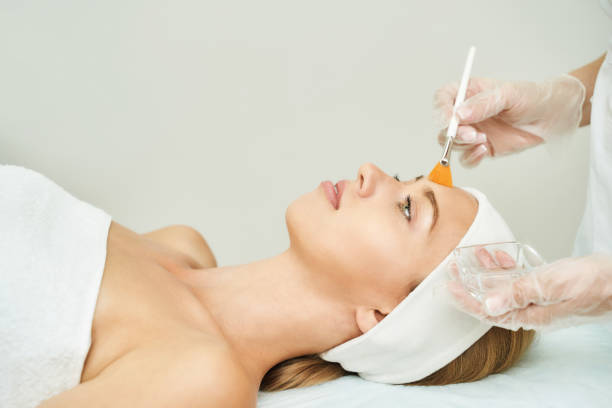
A chemical peel involves applying a solution to the skin that removes the outer layer of dead skin cells. This process stimulates the growth of new skin and helps clear away accumulated oils, dirt, and impurities. By targeting the outermost layer of skin, chemical peels promote a smoother, clearer, and more balanced complexion.
The depth and type of chemical peel influence its effectiveness. Superficial peels primarily exfoliate the outer layer, improving texture and reducing minor congestion. Medium peels penetrate deeper to address more stubborn oiliness, clogged pores, and mild scarring from acne.
Reducing Excess Oil
Chemical peels help regulate oil production by clearing out clogged pores and removing dead skin that traps sebum. With consistent treatments, the skin can maintain a more balanced appearance, reducing shine and preventing frequent breakouts.
Superficial peels are particularly effective for individuals with mild oiliness, while medium-depth peels can target more severe congestion and buildup. By controlling excess oil, chemical peels improve the overall look and feel of the skin.
Clearing Acne and Breakouts
Oily skin is prone to acne because excess sebum can combine with dead skin cells to block pores. Chemical peels assist in keeping pores clear, reducing the likelihood of blackheads, whiteheads, and other blemishes.
Medium-depth chemical peels also encourage exfoliation beneath the skin’s surface, helping to address mild acne scarring and improve overall skin clarity. Regular treatments support a cleaner, healthier complexion with fewer frequent breakouts.
Improving Skin Texture
Oily skin often appears uneven due to clogged pores and acne-related bumps. Chemical peels promote cell turnover and stimulate collagen production, leading to smoother and more refined skin.
With ongoing treatments, the skin’s texture improves gradually, leaving a softer, more even appearance. Exfoliation also reduces the visibility of enlarged pores, which are common with oily skin.
Balancing the Skin
While chemical peels help reduce excess oil, they also promote overall skin balance. By removing impurities and dead cells, peels support the skin’s natural renewal process, helping it maintain optimal moisture and function.
Balanced skin is less prone to flare-ups and irritation. Maintaining consistent post-peel care, including gentle cleansing and moisturization, further enhances the benefits for oily skin.
Frequency of Treatments
Superficial peels can be performed more frequently to manage oily skin effectively, often every few weeks. Medium peels are spaced farther apart to allow the skin to regenerate fully between sessions.
Regular treatments help maintain clear, smooth skin while preventing pore congestion and oil-related breakouts. Consistency is key to achieving and sustaining results.
Frequently Asked Questions (FAQs)
Can chemical peels reduce oily skin permanently?
Chemical peels help regulate oil production and clear pores, but they do not permanently stop the skin from producing oil. Regular maintenance and proper skincare enhance long-term control.
Are chemical peels effective for acne-prone oily skin?
Yes, chemical peels are effective for managing acne in oily skin by clearing pores, reducing excess sebum, and promoting cell turnover.
How soon will I see improvements in oily skin?
Superficial peels may produce noticeable improvement within a few days, while medium peels provide more significant results over several weeks as the skin renews.
Can oily skin become too dry after a peel?
When performed correctly and followed by proper moisturizing, chemical peels balance the skin without excessive dryness. Gentle hydration is recommended.
How often should oily skin undergo chemical peels?
Superficial peels can be repeated every few weeks for maintenance, while medium peels are spaced farther apart depending on skin tolerance and treatment goals.