
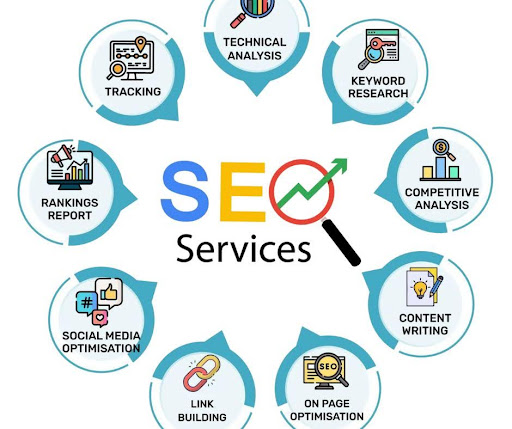
In the digital world, where users expect fast, intuitive, and engaging experiences, understanding how SEO is affected by UX (User Experience) has become more critical than ever. Traditionally, SEO was all about optimizing content for search engines with keywords, meta tags, and backlinks. However, modern SEO has evolved to prioritize the user. Search engines like Google now value how users interact with a website, making UX a crucial factor in ranking higher and retaining visitors.
The Connection Between UX and SEO
User experience encompasses every aspect of a user’s interaction with your website, from site speed and navigation to design and mobile responsiveness. A seamless UX ensures visitors can find what they are looking for without friction. When users engage positively with your site, it sends a signal to search engines that your website is valuable and trustworthy. Therefore, understanding how SEO is affected by UX (User Experience) is essential for digital marketers, website owners, and designers alike.
Key UX Elements That Influence SEO
1. Website Speed
Page load time is one of the most significant UX factors influencing SEO. Users expect web pages to load in two to three seconds; anything longer can lead to high bounce rates. When visitors leave quickly, search engines interpret this as a sign of poor quality. Optimizing images, leveraging browser caching, and using a reliable hosting service can dramatically improve load times, positively impacting both UX and SEO.
2. Mobile Friendliness
With more than half of web traffic coming from mobile devices, responsive design is no longer optional. A mobile-friendly website ensures that content is accessible, legible, and navigable on smaller screens. Google’s mobile-first indexing also highlights how closely SEO is tied to UX. Sites that perform poorly on mobile devices can see a drop in rankings, underscoring how SEO is affected by UX (User Experience).
3. Intuitive Navigation
A well-structured site with clear menus and internal linking helps users find relevant content quickly. When users can navigate efficiently, they spend more time exploring your website, reducing bounce rates and increasing dwell time. Both metrics are important for SEO, as search engines consider them indicators of site quality. Using breadcrumb navigation, logical categories, and a searchable site map enhances both usability and search performance.
4. Readable and Engaging Content
Even if your website loads fast and is mobile-friendly, content quality remains paramount. Readable, engaging content with proper formatting, headings, and bullet points improves user comprehension and keeps visitors engaged. Multimedia elements like videos, infographics, and images further enrich the experience. By creating content that meets user intent, you strengthen your site’s relevance in search rankings, demonstrating the direct link between UX and SEO.
5. Visual Design and Accessibility
A visually appealing website instills trust and keeps users engaged, while poor design can lead to frustration and abandonment. Accessibility is equally important; ensuring your website is usable by people with disabilities expands your reach and improves user satisfaction. Search engines favor websites that are accessible, indicating again how SEO is affected by UX (User Experience).
How UX Metrics Impact SEO
Several metrics track the relationship between UX and SEO:
- Bounce Rate: A high bounce rate can indicate a poor user experience. If users leave without engaging, search engines may rank your site lower.
- Dwell Time: The longer visitors stay on a page, the more search engines recognize the content as valuable.
- Click-Through Rate (CTR): A well-structured and visually appealing site increases the likelihood of users clicking on links from search results.
- Conversion Rate: A seamless UX guides users toward completing desired actions, like subscribing, purchasing, or filling out forms. Conversions indirectly impact SEO by signaling engagement and relevance.
Best Practices to Enhance UX for SEO
- Optimize Page Speed: Compress images, minify CSS/JS files, and implement a Content Delivery Network (CDN).
- Implement Responsive Design: Ensure your website adapts to all screen sizes.
- Streamline Navigation: Use clear menus, internal links, and search functionality to make content easily discoverable.
- Focus on Readable Content: Break content into sections with headings, bullet points, and visuals.
- Prioritize Accessibility: Add alt text for images, use readable fonts, and ensure contrast ratios meet accessibility standards.
- Monitor UX Metrics: Use tools like Google Analytics and Google Search Console to track engagement, bounce rate, and page performance.
The Bottom Line
Understanding how SEO is affected by UX (User Experience) is no longer optional—it’s a necessity. A website that prioritizes UX improves user engagement, reduces bounce rates, and earns higher rankings on search engines. By focusing on speed, mobile-friendliness, intuitive navigation, quality content, and accessibility, businesses can create an online presence that satisfies both users and search engines.
In today’s competitive digital landscape, the synergy between SEO and UX can be the difference between a website that merely exists and one that thrives. Optimizing your site for the user first is, ultimately, the smartest SEO strategy you can adopt.




One Response