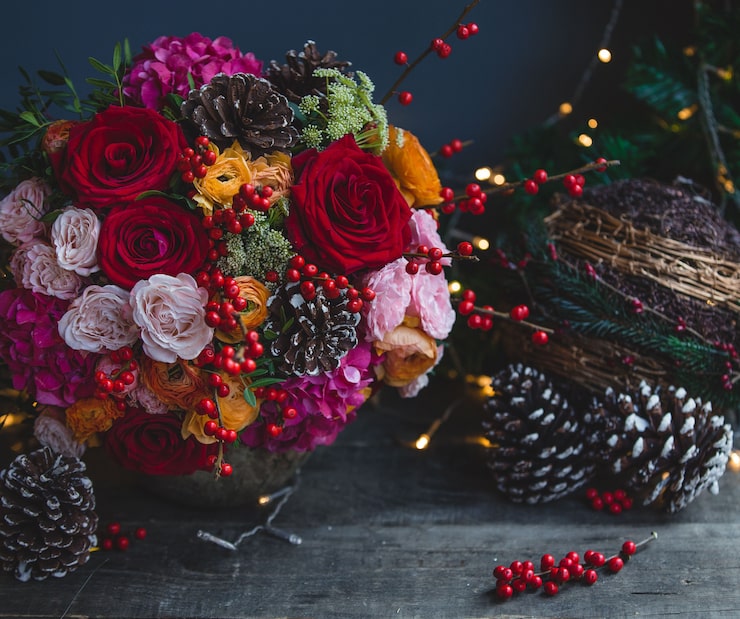
Ordering flowers for a meaningful event often carries a mix of excitement and pressure. Flowers play a visible emotional role in milestones, from intimate celebrations to once in a lifetime moments. Many people begin this process by hearing about seasonal flowers and wondering how timing design and expectations come together. Understanding what the process looks like removes uncertainty and allows the experience to feel collaborative rather than overwhelming.
Why Special Events Ask for a Different Approach
Milestones stand apart from everyday gifting. They mark transitions, achievements, and shared memories. Flowers designed for these moments often require more thought than a quick selection.
Events often involve coordination with venues’ themes, attire, and schedules. Florists plan with context in mind rather than focusing only on aesthetics. This approach ensures flowers feel integrated rather than added as an afterthought.
Special moments deserve flowers that feel intentional rather than incidental.
Early Planning Sets the Tone
Planning early shapes better outcomes. Florists often begin with conversations around dates, location, and scale. This stage sets expectations around availability style and logistics.
Choosing seasonal flowers during planning allows designs to reflect nature at its best. Seasonal blooms often offer stronger stems, richer color, and better longevity. Early planning also supports flexibility if adjustments arise.
Understanding the Role of Consultation
Consultations form the foundation of event floral design. During these discussions florists learn about vision preferences and priorities.
Details such as color palette, mood, and venue layout guide decisions. For larger events such as weddings, consultations often explore ceremony, reception, and personal florals together. These conversations help translate ideas into cohesive designs rather than isolated pieces.
Design Concepts and Visual Direction
After initial discussions, florists develop a design direction. This phase focuses on shape, texture, and balance rather than exact flower lists.
Using seasonal flowers allows designers to build concepts that feel organic and aligned with the time of year. Flexibility during this stage supports creativity while honoring client expectations. Designs evolve collaboratively rather than remaining fixed too early.
Flower Selection and Availability
Flower availability depends on season, climate, and sourcing. While many blooms appear year-round, seasonal options often deliver better results.
Clients planning wedding floral arrangements often benefit from embracing seasonal availability. Seasonal choices reduce substitution risks and enhance visual harmony. Florists guide selections toward flowers that perform well in event conditions.
Budget Transparency and Value Allocation
Budget conversations feel sensitive yet essential. Florists allocate value strategically across arrangements to maintain impact.
Rather than focusing on flower count, professionals prioritize proportion and placement. For wedding floral arrangements, this approach ensures key moments receive attention while supporting overall cohesion. Transparency around the budget builds trust and clarity.
Logistics and Event Day Coordination
Event florals involve logistics beyond design. Delivery setup timing and placement require coordination.
Florists often align delivery schedules with venue access. For complex wedding floral arrangements, setup may involve multiple spaces and phases. Clear timelines support smooth execution and reduce stress on event day.
Installation and Visual Impact
Installation transforms designs from concept to reality. Florists adjust arrangements on-site to suit lighting, space, and surroundings.
This step ensures flowers complement architecture and decor. Using seasonal flowers often enhances freshness during installation since blooms travel less and handle environmental changes better.
Adaptability During Live Events
Events rarely unfold exactly as planned. Florists anticipate change and respond calmly.
Weather schedule shifts or layout adjustments sometimes occur. Experienced professionals adapt placement or styling without compromising design intent. This adaptability proves especially valuable during wedding floral arrangements where multiple elements converge.
Longevity and Post-Event Considerations
After events, flowers often continue to play a role. Some hosts repurpose arrangements for additional gatherings or donations.
Designing with seasonal flowers supports longevity beyond the event itself. Flowers chosen for durability often maintain beauty for days when cared for properly.
Emotional Value Beyond Aesthetics
Flowers carry emotional significance that extends beyond visuals. They become part of memories captured in photographs and stories.
Well-planned wedding floral arrangements often remain vivid in recollection long after details fade. Emotional resonance stems from thoughtful alignment with moment and meaning.
Trusting the Creative Process
Trust strengthens outcomes. While clarity matters, flexibility allows florists to apply expertise fully.
Clients who trust professional judgment often experience designs that exceed expectations. Seasonal adjustments, substitutions, or enhancements occur seamlessly when trust exists. This collaboration elevates results.
Sustainability and Conscious Choices
Many events now consider sustainability. Seasonal sourcing supports environmentally mindful practices.
Using seasonal flowers reduces transportation impact and supports local growing cycles. Conscious choices align celebrations with values without sacrificing beauty.
Final Walkthrough and Assurance
Before event completion, florists often review final details mentally, if not physically. This internal checklist ensures readiness.
Confidence at this stage reassures clients. Knowing that wedding floral arrangements receive careful attention allows focus to shift toward enjoying the moment.
Planning Timelines That Support Seasonal Choices
Event timelines directly influence flower availability and quality. When planning aligns with natural growing cycles, seasonal flowers offer better structure, color consistency, and longevity. Florists often guide timelines around peak bloom periods to ensure designs look intentional rather than forced. This approach also allows smoother sourcing and reduces last-minute substitutions. Thoughtful timing supports designs that feel cohesive and grounded in the moment rather than rushed or overly controlled.
Design Consistency Across Large-Scale Events
Large events benefit from visual continuity. Color repetition, flower selection, and design rhythm help tie spaces together seamlessly. For celebrations that involve multiple areas, cohesive wedding floral arrangements ensure guests experience a unified atmosphere from entry to exit. Consistency does not mean repetition. Subtle variations within a shared palette maintain interest while preserving harmony across spaces and moments.
Weather Considerations and Flower Performance
Outdoor events introduce variables such as temperature, wind, and sunlight. Flower performance matters as much as appearance. Selecting seasonal flowers suited to local conditions reduces stress on arrangements and supports durability. Florists factor climate into design choices to prevent wilting or color fading. This preparation protects visual quality throughout the event without constant adjustments or intervention.
Long-Term Visual Impact Beyond the Event
Flowers often live on through photographs, memories, and shared stories. Well-planned wedding floral arrangements contribute lasting visual identity to milestone moments. Designs that balance trend awareness with timeless elements age gracefully in images. This longevity adds value beyond the event itself and reinforces emotional connection long after the celebration concludes.
The Value of Clear Communication Throughout the Process
Clear communication keeps expectations aligned from planning through execution. Sharing preferences, updates, and constraints allows designs to evolve smoothly without surprises. Florists rely on open dialogue to adjust details while preserving creative integrity. When conversations remain transparent, timelines feel manageable and outcomes feel intentional. This collaborative clarity ensures seasonal flowers and design elements support the event narrative rather than compete with it.
Conclusion
Ordering flowers for special events involves more than selecting blooms. It blends planning, collaboration, creativity, and trust. When seasonal flowers guide design and thoughtful processes shape execution, the result feels authentic and memorable. Understanding what to expect allows milestones to unfold with ease, beauty, and meaning rather than uncertainty.