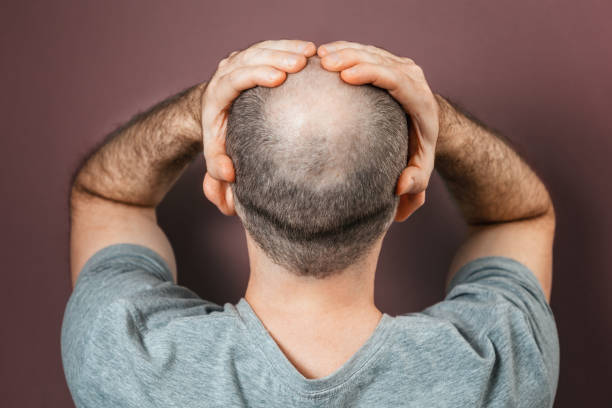
A Crown Hair Transplant in Abu Dhabi is a popular solution for individuals experiencing hair loss in the crown area of the scalp. This procedure aims to restore hair density and improve the overall appearance of the hairline in the crown region. It is an effective option for those seeking to regain confidence and a fuller head of hair. But not everyone is suited for this type of transplant. Knowing the characteristics of the ideal candidate can help individuals make informed decisions about their hair restoration journey.
Age and Hair Loss Progression
Suitable Age Range for Candidates
While there is no strict age limit for a crown hair transplant, most suitable candidates tend to be within a certain age range. Typically, individuals in their late 20s to early 50s are considered ideal because their hair loss pattern is usually stable enough for transplantation. Younger candidates might experience ongoing hair loss, which could affect the longevity of the results. Older candidates, on the other hand, tend to have more predictable hair loss patterns, making them good candidates for the procedure.
Stability of Hair Loss
One of the most important factors is the stability of hair loss. Candidates should have experienced a halt in significant hair thinning or recession for at least a year. This stability ensures that the transplanted hair remains natural-looking over time and that new hair growth aligns with the existing hair pattern.
Hair Characteristics and Donor Area
Quality and Density of Donor Hair
The success of a crown hair transplant in Abu Dhabi greatly depends on the quality and density of the hair available in the donor area. Ideal candidates have healthy, dense hair in the back and sides of the scalp, which can be harvested for transplantation. The donor hair should be resistant to hair loss, which is typical of hair follicles in the occipital region.
Hair Texture and Color
Candidates with straight or wavy hair tend to achieve more natural-looking results. Hair color that contrasts sharply with the scalp may require special considerations during the procedure to ensure the results blend seamlessly. The texture and color of the hair play vital roles in creating a natural appearance post-transplant.
Extent of Hair Loss
Degree of Crown Coverage Needed
Ideal candidates for a crown hair transplant are those with moderate to severe hair loss in the crown area. The procedure can effectively restore density for individuals with a visible bald spot or thinning crown. However, candidates with extensive hair loss may need additional procedures or sessions to achieve the desired density.
Overall Hair Loss Pattern
A well-defined pattern of hair loss around the crown, combined with stable frontal hairline, indicates a suitable candidate. Those with diffuse thinning across the scalp or widespread hair loss might not be ideal candidates, as the procedure targets specific areas rather than diffuse thinning.
Health and Lifestyle Factors
General Health Status
Candidates should be in good general health, with no underlying conditions that could impair healing or increase surgical risks. Conditions such as uncontrolled diabetes or blood disorders may require medical clearance before proceeding with the transplant.
Lifestyle and Habits
Individuals leading a healthy lifestyle, free from smoking and excessive alcohol consumption, tend to heal faster and have better outcomes. Good nutrition and proper hydration also support healthy hair growth and recovery after the procedure.
Psychological Readiness and Expectations
Realistic Expectations
The ideal candidate understands the limitations of the procedure and has realistic expectations about the results. They should be seeking to improve their appearance naturally, without expecting a complete transformation. Clear communication with the specialist ensures satisfaction with the outcome.
Motivation and Commitment
Candidates should be motivated and committed to the process, including following aftercare instructions diligently. A positive attitude and patience are essential for achieving the best results from the crown hair transplant.
Specific Conditions That May Affect Candidacy
Scalp Conditions
Individuals with scalp conditions such as severe dermatitis or infections need to address these issues before considering a crown hair transplant. Healthy scalp conditions promote better graft survival and overall success.
Hair Loss Due to Medical Treatments
Candidates experiencing hair loss caused by medical treatments like chemotherapy may not be suitable until their health stabilizes. The procedure is best suited for those with genetic or androgenetic alopecia.
Who Might Not Be the Right Candidate?
While many individuals qualify, certain people may not be suitable candidates for a crown hair transplant. Those with unrealistic expectations, unstable hair loss, or poor scalp health should consult with a specialist to explore alternative options or to improve their candidacy.
FAQs About Crown Hair Transplant in Abu Dhabi
Is there an ideal age for a crown hair transplant?
Candidates in their late 20s to early 50s tend to be most suitable, especially if their hair loss is stable.
Can anyone with crown hair loss undergo the procedure?
Most individuals with moderate to severe crown hair loss and good donor hair quality can consider the procedure, but a consultation is necessary to determine suitability.
How do I know if my hair loss is stable?
A professional assessment can confirm whether your hair loss has stabilized over the past year, which is vital for successful transplantation.
What are the main benefits of a crown hair transplant?
Restoring hair in the crown area can significantly improve appearance, boost confidence, and create a more balanced hairline.
How long does it take to see results?
Initial new hair growth can be noticed within a few months, with full results typically visible after about a year.
READ MORE : Is Crown Hair Transplant Permanent?