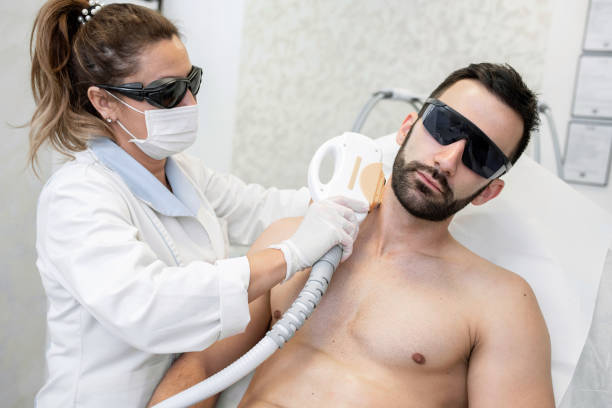
Ingrown hairs are a common frustration for many men, especially those who shave frequently. Areas such as the beard line, neck, chest, and back are particularly prone to this issue. Men’s Laser Hair Removal Abu Dhabi is often considered by those seeking a long-term solution to reduce recurring ingrown hairs and improve skin texture. Red bumps, uneven skin texture, and persistent irritation can make grooming uncomfortable and time-consuming. As a result, many men consider laser hair removal not only for hair reduction but also as a solution for recurring ingrown hairs.
Understanding how laser hair removal works and its effect on hair growth can help clarify whether it truly reduces ingrown hairs.
What Causes Ingrown Hairs in Men
Ingrown hairs occur when a hair curls back or grows sideways into the skin instead of rising straight out of the follicle. This often happens after shaving, trimming, or waxing. When hair is cut very short or pulled from the root, the regrowth process may cause the strand to become trapped beneath the skin’s surface.
Men with coarse, curly, or thick hair are especially prone to ingrown hairs. The natural curl pattern increases the likelihood that the hair will bend back into the skin. Frequent shaving can further irritate the skin and contribute to this problem.
How Laser Hair Removal Targets the Root Cause
Laser hair removal works by delivering concentrated light energy into the hair follicle. The pigment in the hair absorbs this energy, which heats and disrupts the follicle’s ability to grow new hair. Over multiple sessions, hair becomes thinner, lighter, and less dense.
Because ingrown hairs are directly linked to active hair follicles, reducing follicle activity significantly lowers the chances of hair becoming trapped beneath the skin. By weakening or disabling the follicle, laser hair removal addresses the root cause rather than simply managing surface symptoms.
Reduction in Hair Density and Thickness
One of the primary ways laser hair removal helps reduce ingrown hairs is by decreasing overall hair density. With fewer active follicles producing hair, there are fewer opportunities for hairs to grow inward.
Additionally, hair that regrows after treatment is typically finer and softer. Finer hair strands are less likely to curl sharply or pierce back into the skin, further reducing the risk of ingrown hairs.
Common Areas Where Men See Improvement
Certain body areas are especially prone to ingrown hairs in men.
The beard and neck region is one of the most common problem areas. Frequent shaving in this area can cause persistent bumps and irritation. Laser hair removal can significantly reduce hair growth here, minimizing the need for daily shaving and decreasing the likelihood of ingrown hairs.
The chest and back are also common areas where thick hair may lead to ingrown hairs, particularly after waxing or trimming. Laser treatment helps create smoother skin and reduces follicle activity, lowering the occurrence of trapped hairs.
The underarms and groin area can also benefit, especially for men who experience irritation from friction combined with dense hair growth.
Long-Term Benefits for Skin Appearance
Beyond reducing hair growth, laser hair removal often improves overall skin appearance in areas prone to ingrown hairs. As hair density decreases, skin texture may appear smoother and more even.
Over time, fewer ingrown hairs mean fewer visible bumps and less irritation from repeated shaving. This can contribute to clearer-looking skin and more comfortable grooming routines.
The Importance of Multiple Sessions
Laser hair removal requires multiple sessions because hair grows in cycles. Each session targets hair in its active growth phase. Over time, repeated treatments significantly reduce follicle activity.
Consistent sessions are important for achieving meaningful reduction in ingrown hairs. While some improvement may be noticeable after early treatments, long-term reduction typically becomes clear after completing a full treatment plan.
Maintaining Results
Although laser hair removal provides long-term hair reduction, occasional maintenance sessions may be needed. Hormonal factors can stimulate new hair growth in some areas, especially the beard and upper back.
Maintaining results ensures continued reduction in hair density and helps prevent the return of frequent ingrown hairs.
Common Misconceptions
Some men believe that laser hair removal only addresses cosmetic concerns and does not affect ingrown hairs. In reality, because the treatment reduces or disables follicles, it directly impacts the underlying cause of ingrown hair formation.
Another misconception is that all hair must be completely removed to eliminate ingrown hairs. In many cases, simply reducing thickness and density is enough to significantly decrease their occurrence.
Practical Tips for Men Seeking Relief
Men considering laser hair removal to reduce ingrown hairs can support better outcomes by following proper preparation and aftercare guidelines. Shaving before sessions, avoiding plucking or waxing, and maintaining healthy skin between treatments help maximize effectiveness.
Consistency and patience are key. Hair reduction happens gradually, and improvements in ingrown hair frequency typically become more noticeable as sessions progress.
Frequently Asked Questions
Does laser hair removal completely eliminate ingrown hairs?
Laser hair removal significantly reduces ingrown hairs by decreasing follicle activity and hair density. While it may not eliminate every case, it greatly lowers their frequency.
How soon will I notice fewer ingrown hairs?
Some men notice improvement after a few sessions, but more consistent reduction typically appears after completing multiple treatments.
Is laser hair removal effective for beard ingrown hairs?
Yes, the beard and neck are common treatment areas. Reducing hair growth in these regions helps minimize shaving-related bumps.
Can coarse hair benefit the most?
Yes, coarse and curly hair often responds well to laser treatment and may see significant reduction in ingrown hairs.
Does hair grow back differently after treatment?
Hair that regrows is usually finer and softer, which reduces the likelihood of curling back into the skin.
Is shaving still required after laser treatment?
Some shaving may still be needed, but less frequently. Reduced shaving lowers irritation and the chance of ingrown hairs.
Can laser hair removal improve skin texture?
As ingrown hairs decrease, skin may appear smoother and more even over time.
Are multiple sessions necessary to reduce ingrown hairs?
Yes, because hair grows in cycles, multiple sessions are essential for lasting reduction and meaningful improvement.
Conclusion
Men’s laser hair removal is an effective solution for reducing ingrown hairs because it addresses the root cause: active hair follicles. By decreasing hair density and thinning regrowth, the treatment significantly lowers the likelihood of hairs becoming trapped beneath the skin. Over time, men often experience smoother skin, fewer bumps, and a more comfortable grooming routine.