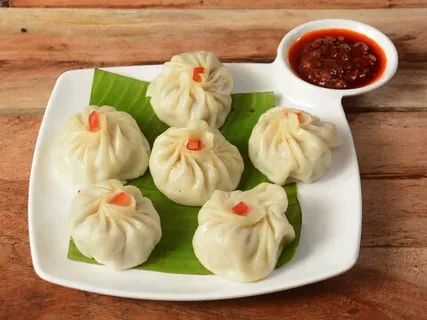
Chilli momo has quickly become one of the most talked-about street food dishes across the UK. Combining the comfort of steamed dumplings with the bold punch of spicy sauce, it offers something many diners look for today: heat, texture, and layered flavour in a single plate. For those searching for the Best chilli momo near me, the answer often lies not just in spice level, but in balance, freshness, and technique.
Originally rooted in Himalayan and Nepalese cuisine, momos have evolved in British food culture. From London’s diverse food markets to regional high streets, chilli-coated dumplings now feature prominently on menus serving South Asian and Indo-Chinese dishes.
Understanding Chilli Momo: More Than Just Spicy Dumplings
At its core, a chilli momo begins as a traditional steamed dumpling filled with minced meat or vegetables. The difference appears after steaming. Instead of serving it plain with dipping chutney, the dumplings are tossed in a wok with garlic, soy sauce, green chillies, onions, capsicum, and a rich chilli-based glaze.
This cooking method creates a contrast:
-
A soft, delicate wrapper
-
Juicy filling inside
-
A slightly crisp exterior from wok frying
-
A thick, spicy sauce coating every bite
Many UK diners compare chilli dumplings to Chinese chilli chicken, but the structure is entirely different. The dumpling dough absorbs sauce differently from fried chicken, creating a softer, more integrated flavour profile.
Why the Dish Has Grown in Popularity Across the UK
Food trends in the UK increasingly favour bold, global flavours. Street food markets in cities like London, Birmingham, and Manchester have introduced a wider audience to Himalayan cuisine. Chilli momo fits neatly into modern dining preferences because it is:
-
Shareable
-
Adaptable for vegetarians and meat-eaters
-
Comforting yet exciting
-
Affordable compared to many restaurant starters
University towns in particular have embraced spicy dumpling dishes. Students often gravitate towards Indo-Chinese flavours that combine familiar soy and garlic notes with South Asian heat.
In some local restaurants such as royal bahaar, the dish appears alongside curries and biryanis, showing how naturally it integrates into broader South Asian menus without losing its identity.
What Makes the Best Chilli Momo Stand Out?
Best Chilli Momo: Key Signs of Quality
Not all chilli momos are equal. From a culinary perspective, several elements separate average versions from memorable ones.
1. Dough Texture
The wrapper should be thin yet strong. If it tears easily, it suggests poor dough preparation. If it feels thick and chewy, the balance is off.
2. Filling Moisture
Whether chicken, lamb, or vegetable-based, the filling should remain juicy after steaming. Dry centres indicate overcooking.
3. Sauce Balance
Heat is important, but depth matters more. The sauce typically includes:
-
Fresh garlic
-
Soy sauce
-
Tomato-chilli paste
-
Green chillies
-
Spring onions
The best versions layer heat gradually instead of overwhelming the palate immediately.
4. Wok Technique
A quick toss over high heat prevents sogginess. When overcooked in sauce, momos lose their shape and texture.
In the UK climate, maintaining proper steaming and reheating conditions is especially important. Restaurants that prepare dumplings fresh daily tend to produce more consistent results.
Popular Variations You’ll Find in the UK
As Himalayan cuisine adapts to British tastes, several variations have emerged:
Steamed Chilli Momo
Lightly tossed in sauce without deep frying. This version appeals to those seeking a softer texture.
Fried Chilli Momo
The dumplings are briefly fried before being coated in sauce, creating a crisp outer layer.
Gravy Chilli Momo
Served with extra sauce, almost like a curry. This variation pairs well with rice.
Vegan and Plant-Based Options
Vegetable fillings now include paneer alternatives, mushrooms, tofu, and finely chopped cabbage blends. With plant-based dining growing across the UK, these versions are increasingly common.
Pairing and Serving Suggestions
In British restaurants, chilli momo is often served as a starter. However, many diners now order it as a main dish.
Common pairings include:
-
Plain fried rice
-
Hakka noodles
-
Light cucumber salad
-
Cooling yoghurt dip
A practical example: In colder months, customers often choose gravy-style chilli dumplings alongside rice, creating a heartier meal. During summer, dry chilli momos with fresh coriander garnish feel lighter and more suitable for sharing.
Beverage pairing also plays a role. Mild lager or sparkling water helps balance the spice. Some diners prefer mango lassi to soften the chilli intensity.
Cultural Roots and Indo-Chinese Influence
While momos originate from Tibet and Nepal, the chilli version reflects Indo-Chinese culinary evolution. This fusion style developed in India through Chinese immigrant communities, blending soy sauce, cornflour, garlic, and green chillies with local spices.
The UK’s multicultural food scene has allowed this hybrid cuisine to thrive. Diners already familiar with dishes like chilli chicken or schezwan noodles adapt easily to chilli dumplings.
Understanding this background adds context to why the dish tastes distinct from traditional steamed Himalayan momos served with tomato chutney.
How to Identify Authentic Preparation in the UK
With social media increasing food visibility, presentation sometimes overshadows quality. From an industry perspective, authenticity is less about strict tradition and more about proper technique.
Look for:
-
Freshly chopped vegetables in the sauce
-
Visible garlic pieces rather than bottled paste
-
Even coating without excessive oil pooling
-
Dumplings that maintain structure
Restaurants that steam in small batches typically avoid sogginess. Observing kitchen transparency can also indicate freshness.
A Growing Role in British Casual Dining
Chilli dumplings are no longer limited to niche ethnic restaurants. They appear at food festivals, takeaway counters, and contemporary Asian fusion menus.
Their versatility contributes to staying power. Families can order mild versions for children, while spice lovers request extra green chillies. This adaptability makes chilli momo suitable for diverse audiences across the UK.
From an industry viewpoint, dishes that balance affordability, flavour impact, and preparation efficiency tend to last. Chilli momo fits that model well.
Conclusion
The appeal of chilli momo lies in its balance: soft dumpling, bold sauce, and adaptable heat. For diners searching for the Best chilli momo, the defining factors are freshness, technique, and thoughtful seasoning rather than sheer spice level. As Himalayan and Indo-Chinese flavours continue to shape British dining culture, this dish remains a reliable example of how tradition can evolve without losing its character.