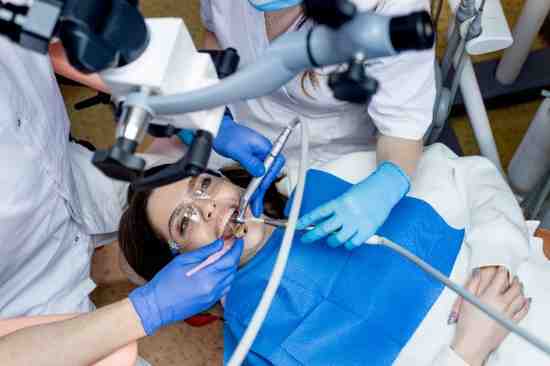
When someone chooses implant treatment, the final crown is often viewed as the defining moment. However, achieving a natural, long-lasting result involves a structured sequence, and one of the most important stages is the short-term restoration placed before the definitive crown. This temporary phase supports comfort, appearance and function while the implant integrates with the jaw. Patients seeking dental implants Beverley often want to understand why this intermediate solution exists and what it contributes to the overall success of treatment.
Why Short-Term Implant Solutions Exist
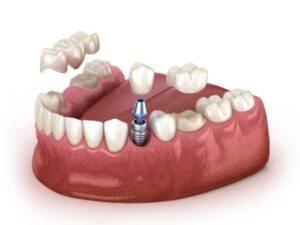
Short-term restorations sit on or around the implant while the bone fuses with the fixture. Although integration takes place beneath the gumline, the mouth still needs stability and balance above the surface.
Supporting Appearance During Treatment
Gaps can be visually distracting. Temporary restorations provide a natural-looking option during healing, making everyday activities feel more comfortable in social settings.
Maintaining the Space for the Final Crown
The surrounding structures gradually adapt to the temporary unit. This helps shape the gum contours so the final crown fits seamlessly once the implant is ready.
Types of Short-Term Implant Options
Different temporary solutions exist depending on where the implant is placed, how the mouth functions and how quickly the patient needs support.
Interim Crowns
An interim crown is often used when the implant is stable enough for a small, controlled load. It stays in position while integration progresses below.
Removable Temporary Restorations
In cases where the implant needs to remain untouched during early healing, a removable unit may be used. This keeps pressure off the implant but still fills the space aesthetically.
How These Options Support Function
Everyday movement in the mouth influences the long-term success of implants. Temporary restorations provide structured support until the final crown is placed.
Assisting With Speech Patterns
Missing teeth can affect certain sounds. A temporary replacement helps the tongue position itself correctly and maintain normal speech.
Maintaining Comfortable Chewing
Though chewing is more restricted during initial healing, temporary options offer light functional support so the patient can continue eating comfortably without stressing the implant.
Beyond Appearance: The Biological Role of Temporaries
Short-term implant restorations play a technical role in shaping tissues. A well-designed temporary crown guides the healing gums to form a natural arch around the final crown.
Gum Sculpting for Future Aesthetics
As the temporary sits in place, the gum adapts to its contour. This creates a natural frame for the final crown, giving it a more authentic appearance once fitted.
Protecting the Implant Site
A short-term unit shields the implant from accidental pressure or contact during daily activities. This reduces disruption during the critical integration stage.
How This Stage Fits Into Treatment Planning
Short-term invisalign Beverley solutions allow controlled progress rather than rushing toward the final crown. The sequence is deliberate to achieve a predictable outcome.
Healing Time and Integration
The bone needs time to bond with the implant. By including a temporary stage, the treatment avoids placing unnecessary force on the implant too early.
Final Crown Precision
With gum shaping complete and the implant fully integrated, the final crown can be crafted with greater accuracy. This helps the bite remain balanced long-term.

Suitability of Short-Term Implant Options
Most implant candidates will benefit from a temporary stage, but the specific type recommended depends on several factors.
Location of the Implant
Front teeth often require an interim crown to maintain appearance, while molar areas may permit alternative temporary solutions that avoid pressure on the implant.
Bone and Gum Condition
Where more healing or reinforcement is needed, the temporary option may be lighter or removable to protect the site until stability is achieved.
The Relationship Between Temporary Implants and Orthodontic Planning
Increasingly, adults seeking implants also consider alignment treatment. Combining implant therapy with orthodontics requires strategic planning.
Alignment Considerations
Implants remain fixed once placed, so the bite must be assessed carefully. Those undergoing alignment via invisalign Beverley may need adjustments scheduled before implant placement.
Creating a Harmonised Result
A well-aligned mouth ensures the final crown sits in a stable, predictable position. Short-term implant options support this coordinated approach during the transition phase.
Advantages of a Temporary Stage Before the Final Crown
Introducing a short-term solution may feel like an extra step, but it supports both the technical aspects of implant dentistry and the patient’s comfort.
Improved Predictability
The temporary stage allows adjustments to contour, bite and pressure before a permanent crown is made, giving the dental implants Beverley team a clearer understanding of how the final result should function.
Increased Comfort Throughout Treatment
An aesthetically pleasing temporary ensures that the patient does not feel self-conscious during healing. It also helps maintain a sense of routine in daily life.
Common Components of a Short-Term Implant Process
A typical temporary process may include:
- A soft-tissue healing period
- Placement of a temporary abutment
- Introduction of the interim crown or removable restoration
- Monitoring of gum contour and implant stability
- Preparation and finalisation of the permanent crown
This staged system creates a predictable route toward long-term restoration.
Long-Term Benefits of a Temporary Stage
Short-term implant options contribute directly to the quality of the final crown. With the gum shaped correctly and the implant undisturbed during integration, the final restoration feels more secure and looks more natural.
Enhanced Structural Support
The temporary stage prevents drifting of neighbouring teeth, which could disrupt the planned position of the final crown.
Improved Final Aesthetics
A stable, well-shaped gum line allows the permanent crown to blend in with surrounding teeth, supporting a balanced smile.
Conclusion
A short-term implant stage provides steady support while the site heals, helping the tissues adapt and creating the right shape for the future crown. This temporary phase protects the implant, maintains comfort during daily routines and guides the gum contour so the final restoration sits securely and looks natural. With the groundwork already stabilised, the permanent crown can be fitted with confidence, delivering a strong and lasting result supported throughout the process by Smilo Dental Implants Group.