Africa Air Conditioner Market Size and Forecast 2026–2034
The Africa air conditioner market is entering a sustained growth phase, supported by rising temperatures, rapid urbanization, and expanding construction activity across the continent. According to Renub Research, the market is projected to grow from US$ 8.23 billion in 2025 to US$ 13.14 billion by 2034, registering a CAGR of 5.34% from 2026 to 2034.
Cooling solutions are increasingly shifting from luxury appliances to essential infrastructure in residential, commercial, healthcare, and industrial environments. As climate volatility intensifies and middle-class populations expand, the demand for energy-efficient air conditioning systems is accelerating across Africa.
Download Free Sample Report:https://www.renub.com/request-sample-page.php?gturl=africa-air-conditioner-market-p.php
Africa Air Conditioner Market Outlook
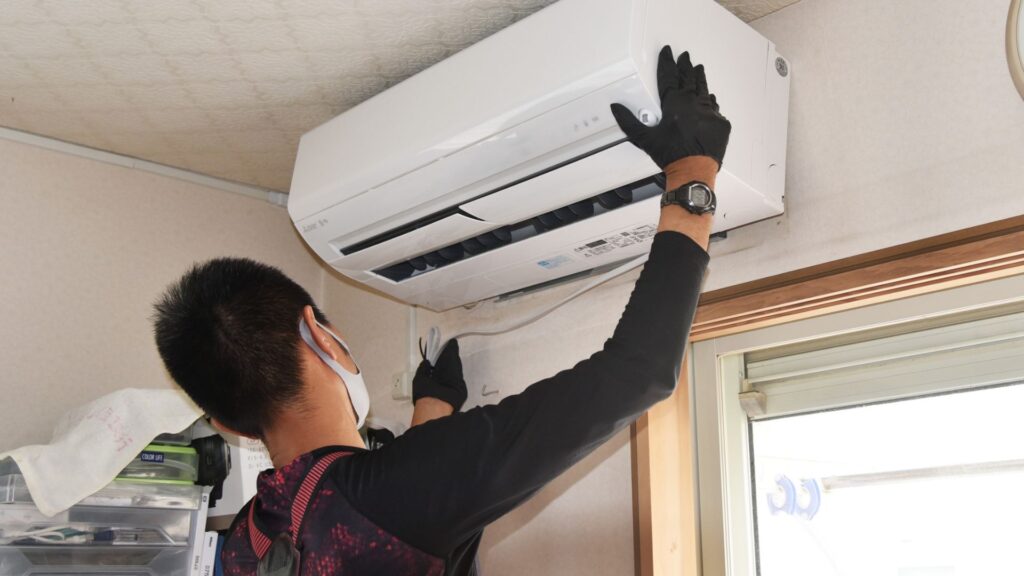
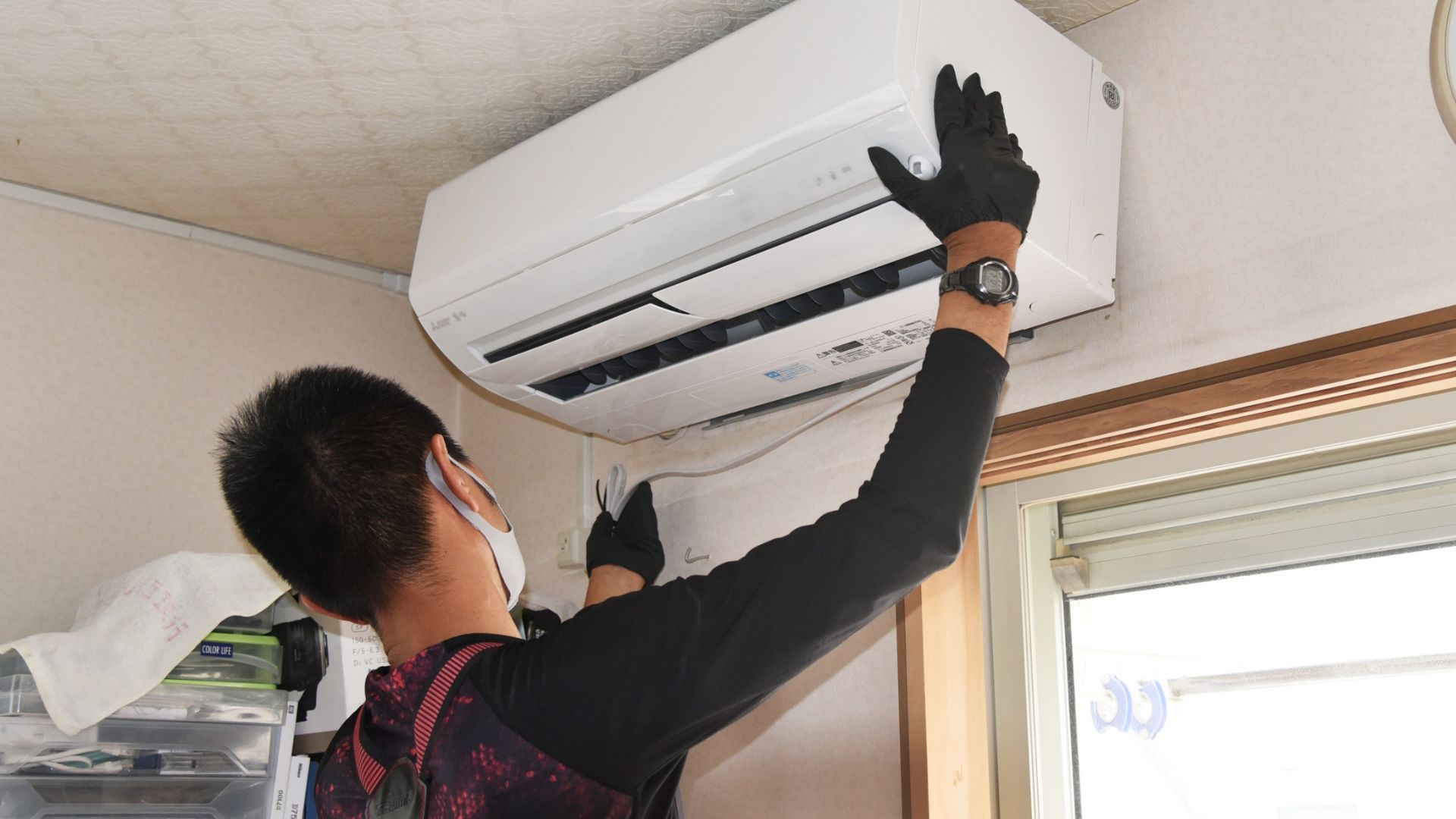
Air conditioners are electronic cooling systems designed to regulate temperature, humidity, and indoor air quality by removing heat from enclosed spaces. Common types include:
-
Split air conditioners
-
Window units
-
Portable systems
-
Central and VRF systems
Across Africa, extreme heat conditions make cooling solutions critical for comfort, productivity, and health. Urban households, office spaces, hotels, hospitals, shopping malls, and industrial facilities are increasingly integrating air conditioning systems.
The growth of electrification programs in urban centers, coupled with improved access to consumer financing and installment payment options, has made air conditioners more accessible. Moreover, commercial sectors such as hospitality, retail, and healthcare are contributing significantly to rising demand.
Key Growth Drivers of the Africa Air Conditioner Market
Rising Temperatures and Climate Change
Africa is experiencing one of the fastest warming rates globally. Between 1991 and 2020, the continent recorded an average temperature increase of approximately 0.86°C above the historical baseline, with North Africa witnessing an even sharper rise of 1.28°C.
Extreme weather events linked to climate change—including prolonged heatwaves and the 2023–2024 El Niño phenomenon—have intensified the need for cooling systems. In many African regions, air conditioning is transitioning from a discretionary purchase to a necessity.
Residential homes, schools, hospitals, offices, and industrial units increasingly rely on cooling solutions to maintain safe indoor environments. As climate volatility continues, air conditioner adoption is expected to rise steadily.
Rapid Urbanization and Construction Growth
Africa is urbanizing at an unprecedented pace. By 2050, the continent’s urban population is projected to double from approximately 700 million to 1.4 billion, making it the second-largest urban population globally after Asia.
Urban expansion is driving large-scale construction of:
-
Residential complexes
-
Commercial offices
-
Shopping centers
-
Hotels and resorts
-
Healthcare facilities
Modern buildings are increasingly designed with air conditioning systems as standard installations, particularly for middle- and upper-income consumers.
Rapid development in hospitality, corporate offices, and retail sectors is further fueling demand. As cities modernize, expectations around comfort and indoor climate control are rising.
Improving Living Standards and Middle-Class Expansion
Africa’s economic outlook remains promising, with projected GDP growth of 3.9% in 2025—outpacing Latin America and the Caribbean.
Infrastructure investments aligned with the African Union’s Agenda 2063 are improving connectivity, trade, and urban development. As disposable incomes rise and middle-class households expand, consumer demand for lifestyle-enhancing appliances is increasing.
Air conditioners are becoming more affordable due to:
-
Flexible financing options
-
Installment payment schemes
-
Entry-level energy-efficient models
Exposure to global lifestyle standards through media and travel is also reshaping consumer expectations, strengthening demand for cooling appliances.
Challenges in the Africa Air Conditioner Market
Limited Electricity Access and Power Reliability
A significant challenge remains inconsistent electricity supply across many African regions. Frequent power outages and underdeveloped grid infrastructure limit air conditioner usage in certain markets.
Additionally, high electricity tariffs discourage adoption, especially in lower-income households. Since air conditioners require continuous and stable power, unreliable grids can hamper sustained growth.
High Initial Costs and Energy Efficiency Concerns
Air conditioners often involve high upfront purchase and installation costs. Energy consumption concerns further discourage adoption among cost-sensitive consumers.
While energy-efficient models are available, they typically come at a premium price. Overcoming affordability barriers through local manufacturing, subsidies, and financing solutions will be crucial for expanding market penetration.
Segment Insights
Multi-Split Air Conditioner Market
Multi-split systems allow multiple indoor units to connect to a single outdoor compressor. This configuration saves space and is ideal for apartments, villas, hotels, and small offices in densely populated urban areas.
As residential real estate developments increase in African cities, multi-split systems are gaining popularity for their flexibility and space efficiency.
Variable Refrigerant Flow (VRF) Market
VRF systems are expanding in Africa’s commercial and high-end residential segments. These systems provide:
-
High energy efficiency
-
Zoned temperature control
-
Reduced operational costs over time
Hotels, hospitals, corporate offices, and shopping malls are increasingly adopting VRF systems due to long-term energy savings despite higher initial investment.
With growing awareness of energy-efficient technologies, VRF adoption is expected to accelerate across large-scale commercial projects.
Residential Air Conditioner Market
The residential segment is driven by increasing temperatures and rising urban middle-class households.
Split and window air conditioners dominate this segment. Consumers increasingly prefer energy-efficient models to reduce electricity bills.
Urban centers with reliable electricity infrastructure show particularly strong demand. As housing construction continues to expand, residential AC demand will remain a key growth contributor.
Commercial Air Conditioner Market
The commercial segment is expanding due to growth in:
-
Hospitality
-
Healthcare
-
Retail
-
Corporate offices
-
Tourism
Business establishments prioritize air conditioning to enhance comfort, operational efficiency, and customer experience.
Modern commercial buildings increasingly adopt advanced systems such as VRF and precision cooling units.
Country-Level Insights
South Africa Air Conditioner Market
South Africa remains one of the most technologically advanced AC markets on the continent due to relatively strong infrastructure and urbanization levels.
The residential sector shows rising demand for split air conditioners to cope with rising temperatures. Meanwhile, malls, offices, and hotels are strengthening the commercial segment.
In October 2025, Mitsubishi Electric Corporation announced that its subsidiary acquired a stake in Intramech Pty Ltd., a South African HVAC and IT cooling specialist, signaling long-term confidence in the market.
Despite occasional power supply constraints, steady urban growth supports long-term demand.
Egypt Air Conditioner Market
Egypt’s air conditioner market is expanding rapidly due to scorching temperatures and infrastructure development.
Urbanization and modernization initiatives are fueling residential and commercial demand. Energy-efficient and split systems are particularly popular.
In January 2026, Iveda launched a new home appliance manufacturing venture in Egypt, highlighting increasing local production capacity and market potential.
Nigeria Air Conditioner Market
Nigeria’s growing urban population and rising temperatures are strengthening air conditioner demand.
Commercial spaces such as malls, hotels, and business centers are primary adopters. However, electricity reliability and cost concerns remain challenges.
In July 2022, Daikin Industries Ltd. launched its first Brand Shop in Nigeria in partnership with ACE Solutions, expanding access to advanced HVAC solutions.
Morocco Air Conditioner Market
Morocco’s market is supported by tourism growth and construction expansion.
Consumers increasingly prefer energy-efficient models. In May 2024, Daikin Industries Ltd. signed a Memorandum of Understanding with OFPPT in Casablanca to develop skilled HVAC professionals, reinforcing long-term industry growth.
Market Segmentation
By Type
-
Window Type
-
Single Split
-
Multi-Splits
-
Precision Air Conditioning
-
Variable Refrigerant Flow (VRF)
By End User
-
Residential
-
Commercial
-
Industrial
By Country
Morocco, Algeria, Libya, Tunisia, Egypt, Nigeria, South Africa, Rest of Africa.
Competitive Landscape
The Africa air conditioner market features a mix of global HVAC giants and regional distributors.
Key players include:
-
LG Electronics
-
Samsung Electronics
-
Carrier Global Corporation
-
Daikin Industries Ltd.
-
Fujitsu General
-
Robert Bosch GmbH
-
Hisense Group
-
Midea Group
Companies are focusing on energy-efficient technologies, distribution expansion, and local partnerships to strengthen market presence.
Final Thoughts
The Africa air conditioner market is transitioning from early-stage adoption to structured growth. Rising temperatures, rapid urbanization, expanding middle-class populations, and infrastructure development are shaping long-term demand.
While electricity reliability and affordability remain challenges, technological advancements in energy efficiency and financing solutions are improving accessibility.
With Renub Research forecasting growth from US$ 8.23 billion in 2025 to US$ 13.14 billion by 2034, the market presents significant opportunities for manufacturers, investors, and infrastructure developers. Cooling solutions are becoming an essential component of Africa’s evolving urban landscape, signaling sustained growth potential in the coming decade.