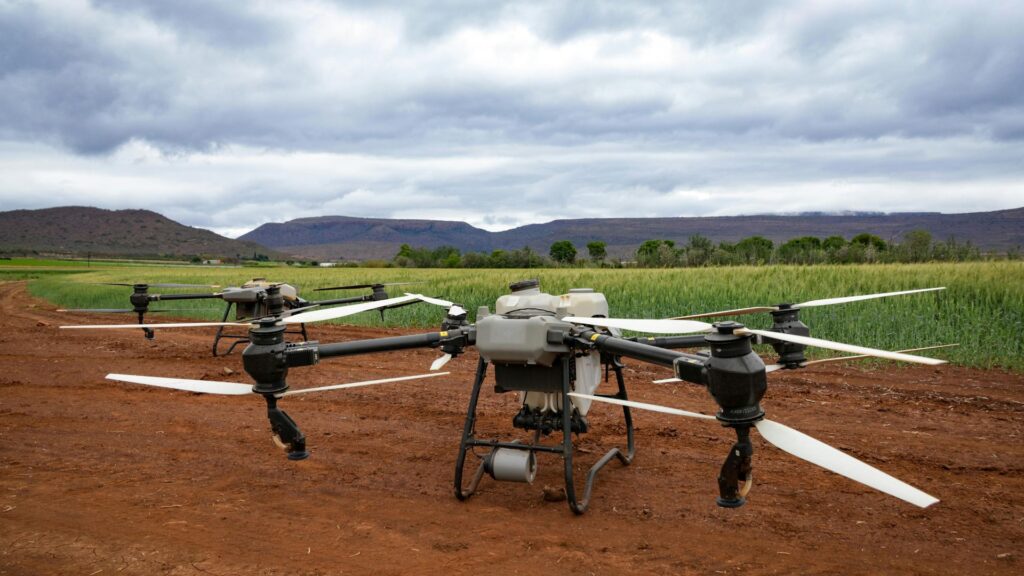
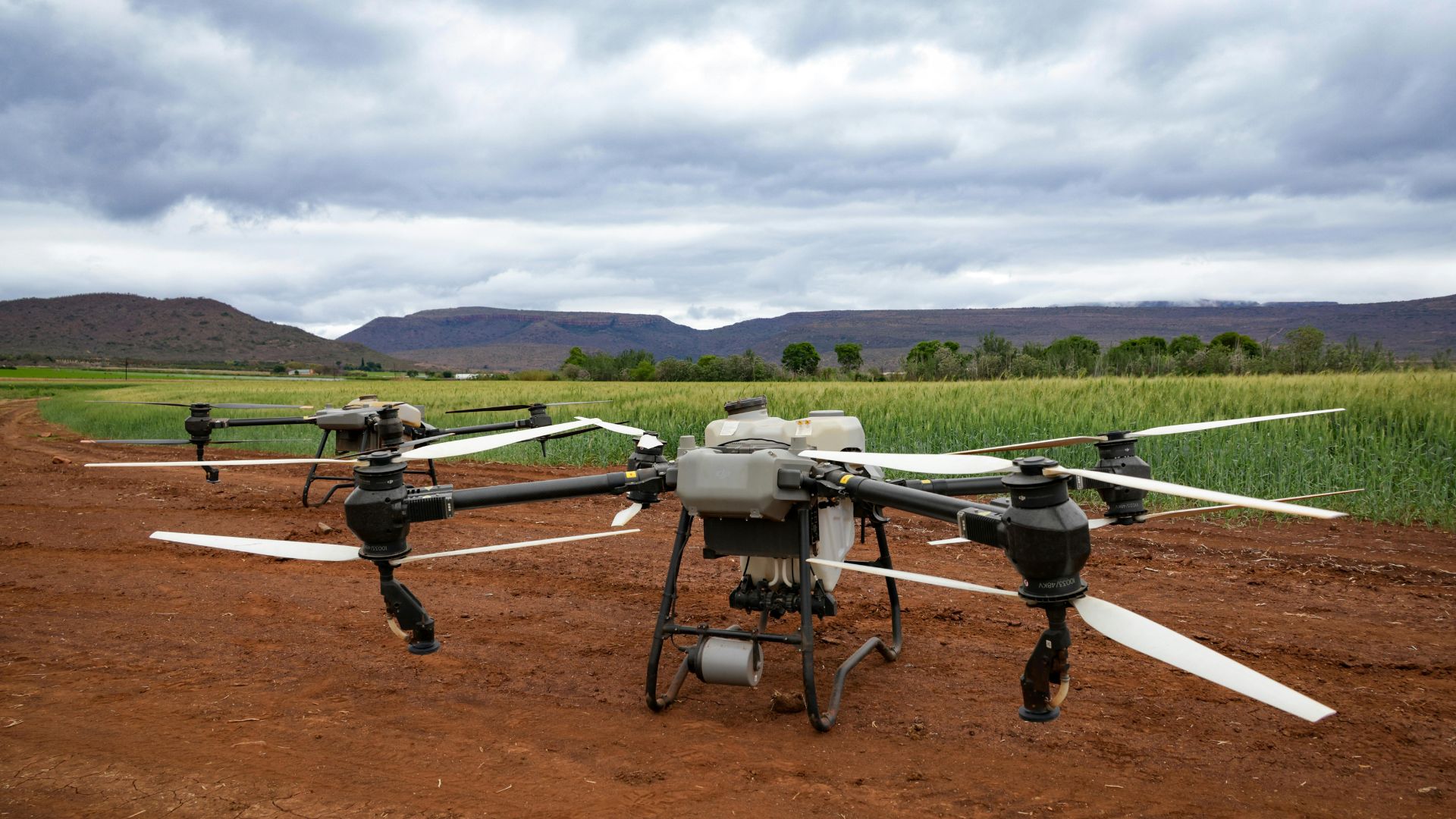
AI In Drone Market Overview
According To Renub Research global drone industry is undergoing a major transformation as artificial intelligence (AI) becomes a central component of unmanned aerial systems. Once limited to basic remote-controlled functions and aerial imaging, drones are now evolving into intelligent, autonomous platforms capable of analyzing data, navigating complex environments, and making decisions in real time. This evolution is positioning AI-powered drones as indispensable tools across defense, agriculture, logistics, infrastructure, and emergency response sectors.
According to Renub Research, the AI In Drone Market is expected to reach US$ 47.14 billion by 2033, up from US$ 11.98 billion in 2024, expanding at a compound annual growth rate (CAGR) of 16.44% from 2025 to 2033. Through 2030, the market is anticipated to grow rapidly due to breakthroughs in autonomous navigation, real-time data processing, and increasing adoption across commercial, military, and industrial applications.
AI integration enables drones to operate with minimal human intervention, enhancing efficiency, reducing operational risk, and unlocking entirely new use cases. As industries demand faster, smarter, and safer aerial solutions, AI-driven drones are becoming a strategic asset rather than a supplementary tool.
Download Free Sample Report:https://www.renub.com/request-sample-page.php?gturl=ai-in-drone-market-p.php
How Artificial Intelligence Is Reshaping Drone Capabilities
Artificial intelligence fundamentally changes how drones perceive, analyze, and interact with their surroundings. Technologies such as computer vision, machine learning, deep learning, and edge computing allow drones to interpret sensor data instantly and respond to dynamic conditions.
AI-powered drones can identify objects, recognize patterns, track movement, and optimize flight paths autonomously. In environments where GPS signals are weak or obstacles are unpredictable, AI enables drones to adapt in real time, improving mission success rates. These capabilities are particularly valuable in hazardous or remote areas where human involvement is limited or unsafe.
Another key advantage lies in data processing. AI enables drones to filter, analyze, and act on vast amounts of visual and sensor data directly onboard. This reduces reliance on cloud connectivity and allows for faster decision-making. As a result, drones are no longer passive data collectors but intelligent systems capable of delivering actionable insights.
Key Factors Driving AI In Drone Market Growth
Advancements in Autonomous Navigation and Real-Time Processing
One of the strongest growth drivers in the AI in drone market is progress in autonomous navigation. AI allows drones to fly independently, avoid obstacles, and complete missions without continuous human input. This autonomy significantly lowers labor costs while increasing operational reliability.
Enhanced onboard processors and AI chips enable real-time analytics, making drones more precise and responsive. These advancements are particularly valuable in defense surveillance, logistics optimization, and precision agriculture, where split-second decisions can determine mission outcomes. The shift toward fully autonomous operations is accelerating AI adoption across the drone ecosystem.
Rising Adoption Across Commercial and Industrial Applications
Commercial and industrial sectors are increasingly adopting AI-enabled drones to improve productivity and reduce operational inefficiencies. In agriculture, AI-powered drones assess crop health, identify irrigation issues, and support precision farming practices. In construction and infrastructure, drones conduct inspections, monitor progress, and detect structural defects with minimal disruption.
Logistics companies are using AI-driven drones for route optimization, inventory tracking, and last-mile delivery trials. By analyzing data in real time, these drones enable predictive maintenance and smarter resource allocation. As organizations seek cost-effective automation, AI-powered drones are emerging as a practical solution.
Growing Demand for Security, Surveillance, and Emergency Response
Security and public safety applications are a major contributor to market expansion. AI enhances drones’ ability to conduct facial recognition, object tracking, and behavioral analysis in real time. Law enforcement and border security agencies use AI-enabled drones to monitor large areas efficiently and respond quickly to potential threats.
In disaster response scenarios, drones equipped with AI can identify survivors, assess structural damage, and map affected areas within minutes. These capabilities dramatically improve rescue coordination and reduce response times. The growing emphasis on disaster preparedness and national security continues to fuel demand for intelligent drone systems.
Challenges in the AI In Drone Market
Regulatory and Airspace Management Constraints
Despite rapid technological advancement, regulatory frameworks have struggled to keep pace with AI-driven drone innovation. Autonomous decision-making raises concerns related to safety, accountability, and airspace coordination. In many regions, unclear or restrictive regulations limit large-scale commercial deployment.
Integrating autonomous drones into shared airspace alongside manned aircraft remains a complex challenge. The lack of harmonized global standards also complicates cross-border operations. Regulatory uncertainty can delay investments and slow adoption, particularly in densely populated areas.
Data Security, Privacy, and Ethical Concerns
AI-powered drones collect massive volumes of sensitive data, including images, location information, and movement patterns. This raises concerns around data ownership, misuse, and unauthorized surveillance. In urban environments, privacy issues are especially prominent.
Cybersecurity threats also pose significant risks. As drones become more connected, vulnerabilities in communication networks or AI systems could lead to data breaches or loss of control. Ethical concerns surrounding autonomous decision-making, particularly in defense and law enforcement, further complicate adoption. Building transparent, secure, and ethical AI systems is essential to long-term market sustainability.
AI In Drone Market Regional Outlook
United States
The United States remains a global leader in AI-powered drone development, supported by strong defense spending, advanced research infrastructure, and a vibrant startup ecosystem. Applications span defense, agriculture, logistics, and infrastructure inspection. Federal initiatives and pilot programs are encouraging innovation, while regulatory reforms are gradually enabling commercial expansion. Continued investment in AI chips and autonomous systems keeps the U.S. at the forefront of technological leadership.
United Kingdom
The UK is steadily expanding its AI drone capabilities across emergency services, agriculture, construction, and environmental monitoring. Government-backed research programs and smart city initiatives are creating opportunities for advanced drone deployment. While privacy and airspace integration remain debated topics, evolving regulations and a strong focus on sustainability are fostering market growth.
India
India represents one of the fastest-growing AI in drone markets, driven by supportive government policies, startup innovation, and demand for agricultural and infrastructure solutions. AI-powered drones are widely used for crop analysis, traffic monitoring, and disaster relief. Although challenges remain in infrastructure readiness and regulatory consistency, increasing investments and localized AI solutions are accelerating adoption.
United Arab Emirates
The UAE is positioning itself as a regional hub for drone innovation through smart city initiatives and public-private partnerships. AI-enabled drones are actively used in logistics, urban planning, security, and emergency response. A relatively progressive regulatory environment supports experimentation, though airspace congestion and data security remain key concerns. Ongoing investment continues to attract global players.
AI In Drone Market Segmentation
By Type
- Station-Based
- Cloud-Based
By Component
- Hardware
- Software
- Services
By Application
- Retail
- Construction
- Agriculture
- Search and Rescue
- Security & Surveillance
- Others
By End Use
- Government
- Commercial
- Military
By Region
- North America
- Europe
- Asia Pacific
- Latin America
- Middle East & Africa
Competitive Landscape and Key Players
The AI in drone market features a mix of established aerospace companies and innovative technology firms. Key players are focusing on R&D, strategic partnerships, and AI integration to strengthen their market positions. Comprehensive coverage includes company overviews, key personnel, recent developments, SWOT analysis, and revenue performance.
Major Companies Covered in the Market Analysis:
- DroneShield Ltd
- Skycatch, Inc.
- Dronehub.ai.
- Applied Aeronautics
- AeroVironment, Inc.
- Skydio, Inc.
- DJI
- Parrot Drones SAS
- Delair
Final Thoughts
The AI in drone market is entering a decisive growth phase as intelligent automation becomes central to aerial operations. With the market projected to grow from US$ 11.98 billion in 2024 to US$ 47.14 billion by 2033, the role of AI-enabled drones is expanding well beyond experimentation into mission-critical deployment.
While regulatory, privacy, and ethical challenges remain, continued innovation in autonomy, edge computing, and AI analytics is reshaping what drones can achieve. As industries prioritize efficiency, safety, and real-time intelligence, AI-powered drones are set to become an essential pillar of modern digital infrastructure.
Overall, the future of the AI in drone market appears highly promising, driven by technological maturity, expanding use cases, and strong global investment momentum—making it one of the most dynamic segments of the broader AI ecosystem.