
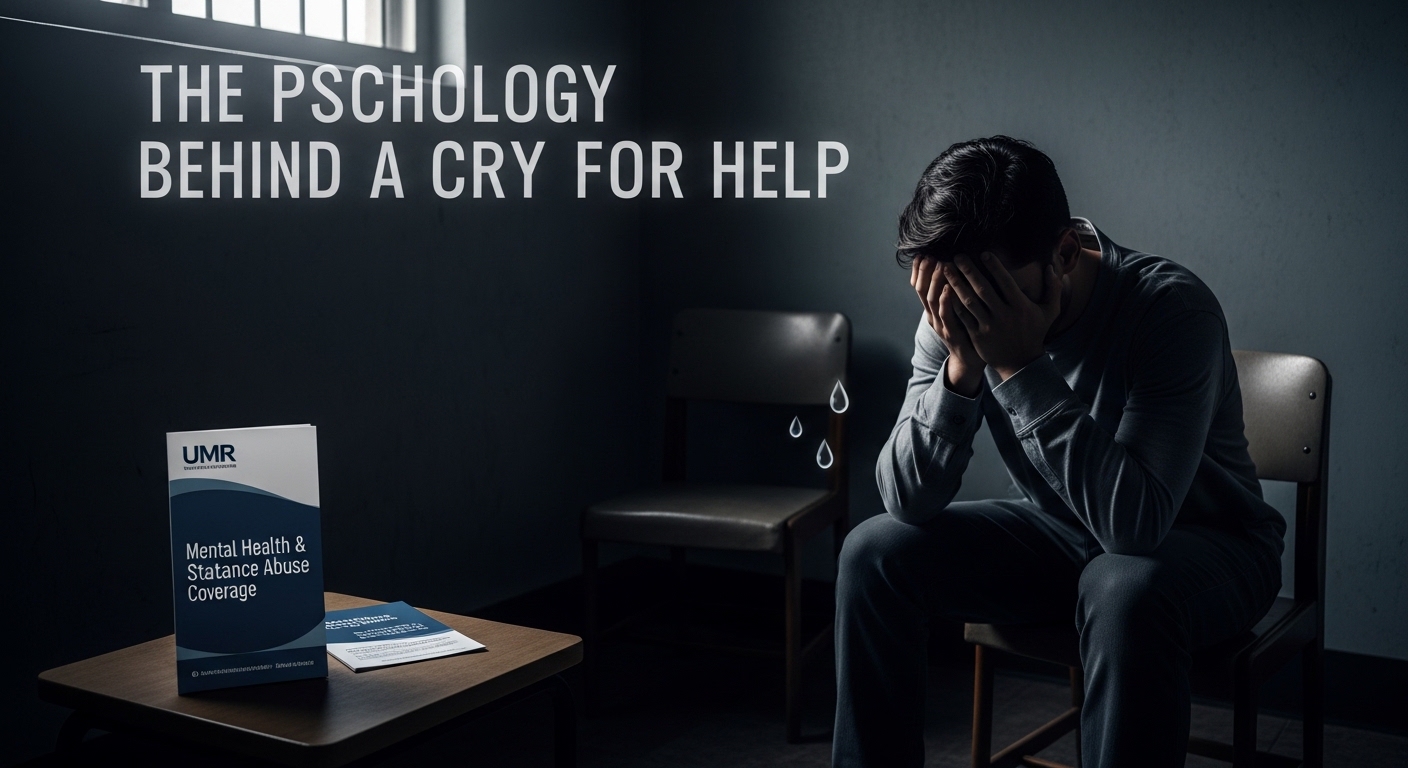
Struggling with alcohol addiction can feel isolating, overwhelming, and frightening. Many individuals who need treatment hesitate because they are unsure whether their insurance will cover care. Others may not even recognize their behavior as a serious issue. Often, what looks like self-destructive behavior is actually a silent signal, a psychological response rooted in emotional pain, or a cry for help.
If you are searching for alcohol rehab covered by UMR, understanding both the financial side of treatment and the emotional reasons behind addiction can make the decision to seek help much easier.
What Does “Cry for Help” Psychology Mean?
In psychology, a “cry for help” refers to behaviors that signal emotional distress. These actions may not always be direct requests for support. Instead, they often appear as risky or harmful behaviors, including substance abuse.
Alcohol misuse can become a coping mechanism for:
- Anxiety
- Depression
- Trauma
- Chronic stress
- Relationship problems
When someone increases their drinking or loses control, it may reflect deeper emotional pain. Recognizing this pattern is important. Addiction is rarely just about alcohol; it is often about untreated emotional wounds.
Understanding cry for help psychology shifts the conversation from blame to compassion. It reminds families and individuals that seeking treatment is not a weakness but a necessary step toward healing.
Why Insurance Coverage Matters in Alcohol Treatment
One of the biggest barriers to treatment is cost. Many people delay getting help because they assume rehab is unaffordable. However, health insurance plans, including UMR, often provide coverage for substance use treatment.
If you are searching for alcohol rehab covered by UMR, it is important to know that many plans include:
- Detox services
- Inpatient rehabilitation
- Outpatient programs
- Medication-assisted treatment
- Therapy and counseling
Coverage details vary depending on the specific policy, but insurance significantly reduces out-of-pocket expenses in many cases.
Understanding your benefits can remove financial fear and make treatment accessible.
The Importance of Professional Alcohol Rehab
Alcohol addiction affects both the brain and the body. Attempting to quit without medical supervision can be difficult and sometimes dangerous. Professional rehab programs provide structured care designed to support safe recovery.
Comprehensive alcohol treatment typically includes:
- Medical detox monitoring
- Individual therapy
- Group counseling
- Relapse prevention planning
- Mental health evaluation
For individuals whose alcohol use is tied to emotional distress, addressing the psychological component is critical. This is where cry for help psychology connects directly to professional care. Rehab programs not only help individuals stop drinking but also uncover the emotional triggers behind the addiction.
How Tennessee Valley Recovery Supports Healing
Tennessee Valley Recovery focuses on long-term recovery through structured support, accountability, and community. While detox and clinical treatment address immediate needs, sustained recovery requires ongoing guidance.
By providing recovery-centered support, Tennessee Valley Recovery helps individuals:
- Build stable routines
- Strengthen personal responsibility
- Develop coping skills
- Reconnect with healthy support systems
When individuals enter alcohol rehab covered by UMR and transition into structured recovery support, they gain a stronger foundation for lasting sobriety.
Recognizing When It’s Time to Seek Help
Many people ignore early warning signs of alcohol dependence. However, certain behaviors suggest it may be time to explore treatment options:
- Drinking to cope with emotions
- Hiding alcohol use
- Experiencing withdrawal symptoms
- Struggling at work or in relationships
- Failed attempts to quit
These signs are not personal failures. They may be signals of emotional distress a psychological cry for help.
Seeking alcohol rehab covered by UMR can provide both medical and emotional support during this critical time.
Combining Mental Health Support With Alcohol Treatment
Alcohol misuse often overlaps with mental health conditions such as anxiety or depression. Integrated care ensures that both conditions are treated simultaneously.
Professional rehab programs may include:
- Cognitive behavioral therapy (CBT)
- Trauma-informed counseling
- Medication management
- Family therapy
Addressing underlying mental health challenges reduces relapse risk and strengthens long-term outcomes.
When the cry for help in psychology is properly understood and treated, individuals feel seen, supported, and empowered to change.
Taking the First Step Toward Recovery
Reaching out for help is often the hardest step. However, verifying insurance coverage and understanding available resources can make that step feel manageable.
If you are researching alcohol rehab covered by UMR, consider contacting a treatment provider to verify benefits and discuss available options. Early intervention improves outcomes and reduces long-term health risks.
Recovery is not about perfection. It is about progress, support, and commitment to change.
With compassionate care and structured support from programs like Tennessee Valley Recovery, individuals can move beyond emotional distress and build healthier, more stable lives.