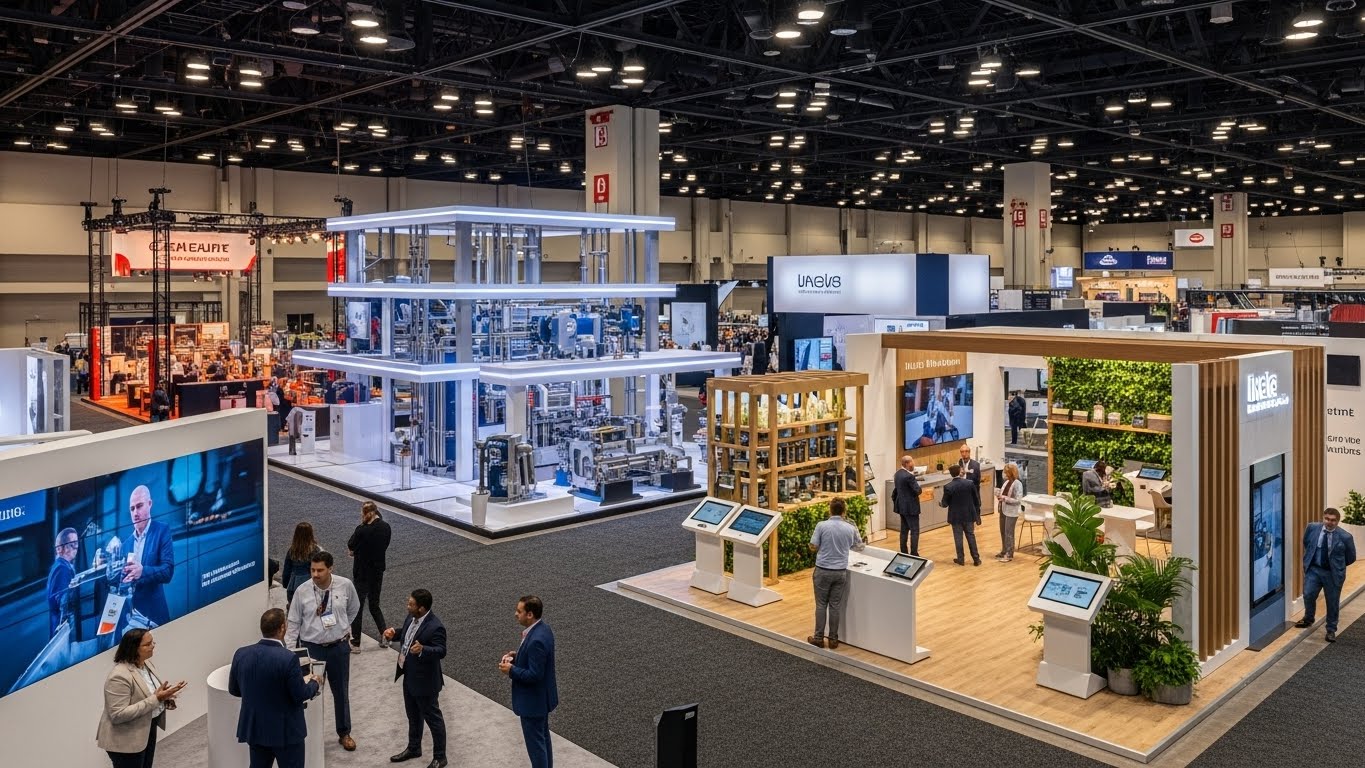
Success within a high stakes marketing environment requires more than just showing up with a few printed banners and a stack of business cards. It demands a comprehensive understanding of how physical space can be transformed into a narrative engine that captures the imagination of every bystander. The initial challenge lies in breaking through the white noise of a crowded hall where every participant is vying for a limited slice of the audience’s attention span. To achieve this, a brand must cultivate an atmosphere that feels both welcoming and authoritative, ensuring that the structural elements of the display serve a greater purpose than mere decoration.
Effective engagement begins long before a single visitor sets foot inside the venue. It starts with a strategic blueprint that aligns aesthetic choices with core messaging goals, creating a seamless transition from the digital world to a tangible experience. By focusing on sensory details like lighting, texture, and spatial flow, an organization can craft an environment that encourages exploration rather than just a quick glance. This approach transforms a standard floor plan into a dynamic stage where meaningful conversations happen naturally, allowing the brand to demonstrate its value proposition through immersive storytelling and thoughtful design choices.
Innovative Structural Customization Strategies
Building a memorable presence on the floor requires a delicate balance between engineering precision and creative flair. Modern design philosophy emphasizes the use of lightweight materials and modular components that allow for maximum flexibility without sacrificing the professional look required for high level networking. When selecting the right trade show exhibits for a specific campaign, it is vital to consider how the layout facilitates movement and whether the central focal point draws the eye toward the most important product offerings. By integrating high definition graphics with architectural depth, companies can create a sense of permanence and reliability that resonates with potential partners and clients alike.
Digital Integration and Interactive Experiences
The integration of electronic elements into a physical footprint has changed the way audiences consume information during industry events. Moving beyond static posters, savvy marketers now utilize touchscreens, augmented reality, and motion sensors to provide a hands on experience that stays with the visitor long after they leave. This technological layer should never feel forced; instead, it should act as a bridge that simplifies complex data or demonstrates product functionality in a way that words alone cannot. When visitors are invited to participate in the narrative through interactive modules, they develop a deeper connection to the brand, moving from passive observers to active participants in the brand story.
Advanced Lighting and Visual Hierarchy
Lighting serves as the silent salesman of any professional display, directing the viewer’s gaze and setting the emotional tone of the entire space. Sophisticated illumination techniques can highlight specific product features, create a sense of warmth, or project a high tech aura depending on the desired brand perception. Establishing a clear visual hierarchy is essential for guiding the audience through the intended journey, ensuring that the most critical information is positioned at eye level and bathed in the perfect amount of light. Without a thoughtful lighting plan, even the most expensive graphics can fall flat, losing their vibrancy and failing to command the attention they deserve in a brightly lit convention center.
Human Factors in Spatial Navigation
How a person moves through a designated area significantly impacts their retention of information and their overall comfort level. Open floor plans that eliminate physical barriers tend to invite more foot traffic, while semi private meeting niches provide the necessary quiet for closing deals or conducting detailed consultations. Designing for the human experience means considering the ergonomics of the space, from the height of the counters to the placement of charging stations. When a layout respects the visitor’s personal space while still providing plenty of visual stimulation, it creates a hospitable environment that fosters trust and encourages longer dwell times, which ultimately leads to higher quality leads.
Unified Visual Language and Professionalism
Consistency across every surface is the hallmark of a professional operation. Every color choice, font selection, and material finish must work in harmony to reinforce a singular identity that is easily recognizable from across the room. This visual language extends beyond the large scale walls to include the smallest details, such as the attire of the staff and the design of the digital interfaces. A unified aesthetic communicates a level of discipline and attention to detail that suggests the company applies the same high standards to its products and services. This sense of reliability is a powerful tool in a competitive marketplace where first impressions are often the only impressions.
Efficient Logistics and Sustainability Focus
Behind every stunning visual display is a complex web of logistics that ensures everything arrives on time and stays in pristine condition. Modern professionals are increasingly looking toward sustainable materials and reusable systems that reduce the environmental footprint of their event participation. Choosing durable components that can be reconfigured for different spaces not only saves money in the long run but also aligns the brand with the growing global emphasis on corporate responsibility. Efficient packing, easy assembly, and smart storage solutions are the unsung heroes of a successful circuit, allowing the team to focus on relationship building rather than struggling with technical difficulties.
Sensory Branding for Lasting Memories
While sight is the primary sense engaged during a professional gathering, ignoring the other senses is a missed opportunity for deeper brand immersion. Subtle acoustic management can create a sanctuary of sound in a noisy environment, while tactile surfaces invite people to touch and feel the quality of the craftsmanship. Some organizations even use scent marketing to trigger positive memories or create a specific mood within their area. By appealing to multiple senses simultaneously, a brand creates a multi dimensional memory that is much harder for a competitor to replicate. This holistic approach ensures that the brand remains top of mind when the decision makers return to their offices.
Analyzing Performance for Future Growth
The most successful marketing efforts are those that evolve based on real world feedback and performance metrics. Observing how people interact with various elements of the display provides invaluable insights into what works and what needs adjustment. Tracking metrics such as lead volume, engagement time at specific kiosks, and the overall flow of traffic allows for continuous improvement for future events. This analytical mindset ensures that the investment in a physical presence is always yielding the highest possible return. Refinement is an ongoing process of trimming away what is unnecessary and doubling down on the features that truly resonate with the target demographic.
Securing Long Term Industry Influence
Participating in major events is about more than just a single weekend of networking; it is about establishing a permanent seat at the table within a specific industry. A consistent and high quality presence builds a reputation for stability and leadership over time. When peers and prospects see a brand returning year after year with an evolved and polished presentation, it reinforces the idea that the company is a fixture of the landscape. This long term visibility is essential for building the kind of brand equity that leads to organic growth and a loyal customer base that views the organization as a trusted advisor rather than just another vendor.
Achieving Excellence in Event Presentation
The culmination of a well executed event strategy is a sense of accomplishment that permeates the entire organization. When every element of the physical space, the technology, and the human interaction aligns perfectly, the result is a powerful catalyst for business growth. Achieving this level of excellence requires a commitment to quality and a willingness to push the boundaries of traditional marketing. By treating every square foot of the floor as a precious resource for communication, a brand can turn a temporary installation into a permanent milestone on its journey toward market dominance. The final product is a testament to the power of physical presence in an increasingly digital world.
Conclusion
Reflecting on the journey of brand elevation through physical environments, it becomes clear that the most impactful displays are those that prioritize the visitor’s experience above all else. Every strategic decision, from the initial concept to the final execution, must be viewed through the lens of how it serves the audience and facilitates genuine connection. When a brand successfully creates a space that is as functional as it is beautiful, it leaves an indelible mark on the industry. The success of these endeavors is measured not just in the number of leads gathered, but in the strength of the relationships built and the clarity of the message delivered to the world.