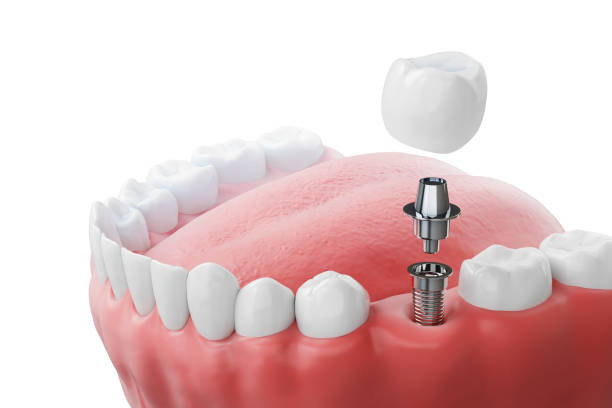
When considering Dental Implants in Abu Dhabi, many individuals wonder about the level of discomfort involved in the procedure. The idea of undergoing dental surgery can be intimidating, but understanding what to expect can help ease concerns. Dental implants are designed to restore missing teeth and improve oral health, and the process has evolved significantly over the years. Most patients report that dental implant procedures are more comfortable than they initially anticipated, thanks to advances in technology and anesthesia techniques. While some discomfort may be experienced during and after the procedure, it is typically manageable and temporary.
Understanding the Dental Implant Procedure
What Happens During the Procedure
The process of getting dental implants usually involves several stages, beginning with a thorough assessment and planning. The dentist or oral surgeon will evaluate the patient’s oral health, take necessary X-rays or scans, and develop a personalized treatment plan. During the actual procedure, local anesthesia is administered to numb the area, ensuring that the patient feels minimal pain.
Once numb, the surgeon makes a small incision in the gum tissue to access the jawbone. A series of precise drills create a space for the implant post, which is then inserted into the bone. The gum tissue is stitched back into place, covering the implant. Over the following months, the implant fuses with the jawbone in a process called osseointegration, providing a strong foundation for the replacement tooth.
Anesthesia and Pain Management
Most dental implant procedures are performed under local anesthesia, which effectively numbs the area to prevent pain during the operation. Some clinics may also offer sedation options to help anxious patients relax. Post-procedure, mild discomfort can occur, which is typically managed with over-the-counter pain relievers. The use of anesthesia and effective pain management techniques plays a significant role in making the experience comfortable for patients.
Factors Influencing Comfort During Dental Implant Procedures
Technological Advances in Dentistry
Modern dental technology has greatly enhanced patient comfort. Techniques such as computer-guided implant placement allow for minimally invasive procedures with high precision, reducing tissue trauma and recovery time. Advanced imaging methods enable accurate planning, which minimizes surprises during surgery and helps in reducing discomfort.
Skill and Experience of the Dental Professional
A highly experienced dental professional can ensure the procedure is smooth and efficient. Skilled practitioners are adept at minimizing trauma to surrounding tissues, which can significantly impact the level of post-operative discomfort. Their expertise also helps in customizing anesthesia and sedation methods to suit individual needs.
Patient’s Oral Health and Overall Health
Patients with good oral health tend to experience less discomfort during and after the procedure. Conversely, those with underlying health conditions or signs of infection may face a higher likelihood of mild pain or swelling. Proper pre-procedure assessment and preparation help in making the process as comfortable as possible.
Managing Discomfort After the Procedure
Expected Post-Procedure Sensations
After the placement of dental implants, mild to moderate discomfort is common. Patients may experience swelling, tenderness, or a sensation of pressure in the area. These symptoms usually subside within a few days. Following post-operative instructions diligently can help alleviate discomfort and promote healing.
Tips for Comfort and Recovery
Applying cold packs to the face can reduce swelling and numbness. Eating soft foods and avoiding hot or spicy dishes helps prevent irritation. Maintaining good oral hygiene around the surgical site and taking prescribed medications as directed can also make recovery smoother. Resting adequately and staying hydrated are essential components of post-procedure comfort.
Common Questions About Pain and Comfort with Dental Implants
Are Dental Implants in Abu Dhabi Painful?
Most patients report that the procedure itself is relatively painless due to effective anesthesia. Any post-operative discomfort tends to be mild and manageable with over-the-counter medications. The use of modern techniques and proper pain control measures helps ensure that patients experience minimal discomfort throughout the process.
How Long Does Discomfort Last?
Discomfort generally peaks within the first 48 hours after the procedure and gradually diminishes. Most patients find that pain and swelling significantly decrease within a few days, and full recovery can take a few weeks. Following the recommended aftercare instructions can speed up healing and reduce discomfort.
Is It Possible to Avoid Discomfort During the Procedure?
While complete avoidance of any sensation is unlikely, effective anesthesia and sedation options make the procedure comfortable. The use of advanced technology and gentle techniques further contribute to reducing any potential discomfort. Patients are encouraged to communicate their concerns and preferences with their dental professional.
Can Anxiety Affect the Perception of Pain?
Anxiety and fear can heighten the perception of discomfort, but open communication with the dental team can help manage these feelings. Sedation options are available to help anxious patients relax, making the experience more comfortable.
Final Thoughts
The overall experience of getting dental implants in Abu Dhabi is typically comfortable, especially when performed by skilled professionals utilizing modern technology. While some mild discomfort may be experienced during healing, it is generally temporary and manageable. Proper planning, effective anesthesia, and post-care practices play vital roles in ensuring a smooth and pain-free journey toward a restored smile. Patients are encouraged to discuss any concerns with their dental provider to tailor the experience to their needs, making the process as pleasant as possible.