Maintaining good oral hygiene is essential for a healthy smile and overall well-being. With numerous options available, many people wonder whether are electric toothbrushes better than traditional manual toothbrushes. This article explores the benefits, features, and considerations of both types to help you make an informed decision. Whether you’re considering upgrading your dental routine or simply curious, read on to discover the truth behind the toothbrush debate.
The Evolution of Toothbrushes: From Manual to Electric
The history of toothbrushes dates back thousands of years, but the modern version has seen remarkable advancements. Manual toothbrushes have been the staple for centuries, offering simplicity and affordability. However, the advent of electric toothbrushes revolutionized oral care with innovative technology designed to improve plaque removal and overall dental health.
Today, electric toothbrushes come equipped with oscillating, sonic, and ultrasonic features, making brushing more efficient and easier for many users. The evolution reflects a shift towards technology-driven dental hygiene solutions, prompting many to ask: are electric toothbrushes better for maintaining oral health?
Benefits of Using Electric Toothbrushes
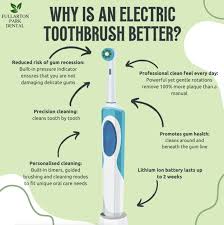
One of the primary reasons people choose electric toothbrushes is their effectiveness. Studies have shown that electric models often outperform manual brushes in reducing plaque and gingivitis. Here are some key benefits:
- Superior Plaque Removal: Electric toothbrushes provide consistent and powerful brushing motions that can reach difficult areas, ensuring thorough cleaning.
- Ease of Use: For individuals with limited mobility, such as arthritis sufferers or those with disabilities, electric toothbrushes make brushing less labor-intensive.
- Built-in Timers: Many electric models come with timers to encourage brushing for the recommended two minutes, promoting better oral hygiene habits.
- Less Technique-Dependent: Since electric brushes do most of the work, users don’t need to master perfect brushing techniques.
These features contribute to healthier gums, cleaner teeth, and potentially fewer dental visits. As a result, many dental professionals recommend electric toothbrushes for their patients.
Manual Toothbrushes: Simplicity and Cost-Effectiveness
While electric toothbrushes offer numerous advantages, manual brushes still hold a significant place in oral care routines. They are simple, portable, and cost-effective. Here are some reasons why manual toothbrushes remain popular:
- Affordability: Manual brushes are generally less expensive than electric models, making them accessible for all budgets.
- Portability: Without batteries or charging requirements, manual brushes are ideal for travel and on-the-go use.
- Control: Some users prefer the tactile feedback and control manual brushing provides, allowing them to focus on specific areas.
- Availability: Manual toothbrushes are widely available in various sizes, bristle types, and designs to suit personal preferences.
Despite the rise of electric options, manual toothbrushes continue to be effective when used properly, especially when combined with good brushing habits.
Comparing Effectiveness: Are Electric Toothbrushes Better?
The big question remains: are electric toothbrushes better than manual ones? According to numerous studies and dental experts, the answer leans toward yes, particularly in terms of plaque removal and gingivitis prevention.
A 2014 Cochrane review concluded that electric toothbrushes are more effective than manual brushes in reducing plaque and gingivitis over time. The consistent and powerful brushing motions of electric models help eliminate bacteria and debris more effectively, especially in hard-to-reach areas.
However, the effectiveness also depends on proper technique and regular brushing habits. No matter which type of toothbrush you use, consistency and correct brushing method are vital for maintaining oral health.
Factors to Consider When Choosing Between Manual and Electric
Choosing the right toothbrush depends on individual needs, preferences, and budget. Here are some factors to help you decide:
- Dental Health Needs: People with braces, dental implants, or gum disease might benefit more from electric toothbrushes.
- Budget: If cost is a concern, manual toothbrushes are affordable and effective when used correctly.
- Ease of Use: For those with limited dexterity or who prefer convenience, electric brushes offer a less labor-intensive option.
- Travel and Portability: Manual toothbrushes are more portable and don’t require charging.
- Personal Preference: Some users simply prefer the feel of manual brushing or enjoy the technological features of electric models.
Consulting with your dentist can provide personalized recommendations based on your dental health status.
The Role of Professional Dental Advice
When it comes to choosing the best toothbrush, seeking professional advice is essential. Broadway Family Dentistry emphasizes that regular dental checkups and personalized guidance can significantly improve your oral health routine.
Your dentist can evaluate your specific needs and recommend the most suitable toothbrush type. They may also suggest additional tools like interdental brushes or water flossers to complement your brushing routine. Remember, a well-informed choice and consistent oral hygiene practices are key to maintaining a healthy smile.
Maintaining Your Toothbrush for Optimal Results
Whether you opt for an electric or manual toothbrush, proper maintenance ensures effectiveness and longevity. Here are some tips:
- Replace toothbrushes regularly: Change manual brushes every three to four months. For electric brushes, replace the brush head as recommended.
- Keep it clean: Rinse thoroughly after use and store in a dry, upright position.
- Charge and inspect: For electric models, ensure the device is charged and check for any damage.
- Follow brushing guidelines: Use the correct technique, brush for at least two minutes, and don’t apply excessive pressure.
Proper maintenance and usage maximize your investment in oral health and help prevent dental issues.
Final Thoughts: Are Electric Toothbrushes Better?
In conclusion, are electric toothbrushes better? Based on scientific evidence and expert opinions, electric toothbrushes generally provide more effective plaque removal and gum health benefits than manual toothbrushes. They are especially advantageous for individuals with specific dental needs or limited dexterity.
However, manual toothbrushes remain a valid and effective option when used correctly and replaced regularly. The key to excellent oral health lies in consistent brushing habits, proper technique, and regular dental visits.
If you’re considering upgrading your dental routine, consulting with Broadway Family Dentistry can provide personalized guidance. Remember, the best toothbrush is the one that fits your needs and encourages you to brush regularly and thoroughly.