Runners need shoes that keep up with them, whether they are training for a race or just trying to stay fit & active. The right pair of shoes not only makes running easier but also protects their joints, supports their stride, and helps them run more comfortably without injury. But the thing is, most people don’t actually know whether their shoes are doing what they’re supposed to do.
If you’re also a runner and you regularly use your running shoes, ask yourself: Are my running shoes actually right for me? Or how do I know when it’s time to replace them?
The fact is: your shoes give you subtle signs long before they start looking worn out. Comfort, cushioning, support, flexibility, and overall performance—the right running shoes must have all these features to help your feet move comfortably and efficiently at every step.
Not sure about where your pair stands? Here are a few clear ways to know whether your running shoes are doing their job, or if they are just named as “running shoes” without actually doing the work.
They Should Feel Comfortable From the First Time You Wear
If it’s labelled a running shoe, it doesn’t mean it needs to feel stiff or tight at first. The right running shoes are designed in a way that they feel comfortable from the first time you wear them. But if they feel stiff, tight, or awkward from day one, chances are they are not the right ones for you.
Below are the signs that indicate your running shoes are doing what they’re supposed to.
- There’s enough space for your toes to move freely.
- Your heels feel secure without rubbing.
- Your midfoot feels supported, not squeezed.
- There are no weird pressure points.
- Your laces are staying in place without constant adjusting.
Proper Cushioning Inside the Shoes
Cushioning is not only about stiffness; it’s about the correct type of support for your movement. Below are the signs your shoes lack proper cushioning.
- Your knees or heels hurt too much after every run.
- Your feet feel the ground too much.
- Your shoes feel flat
So, if you are experiencing any of these signs in your running shoes, chances are the cushioning may be worn out or not suitable for your stride.
Also note that runners who strike with their heels often need more rear-foot cushioning, while midfoot or forefoot strikers may need a more balanced or responsive foam.
They Support Your Natural Way of Running
Every runner has a different way of running. For example, some people roll inward, some roll outward, and some stay pretty natural. Your running shoes must support every way of running.
Here’s an easy way to check if your shoes support your natural gait.
- If your shoe is mainly worn on the inside, your foot rolls inward
- If your shoe is mainly worn on the outside, your foot rolls outward
- If your shoe wears evenly across the sole, your foot maintains a neutral stride.
They Should Not Make You Feel Heavy
A common mistake runners make is choosing shoes that look good but feel heavy. Running shoes should let you move comfortably, not hold you back. If your shoes feel bulky, draggy, or tiring even after a short run, they might not be suited for your running style.
Wearing lightweight shoes helps you move faster, reduce fatigue, and improve your running time. On the other hand, overly heavy shoes can slow you down and put pressure on your knees over time.
Check the Outsole for Signs of Wear
Even if the upper part of the shoe looks brand new, the outsole (bottom part) might already be worn out without you noticing. And when the outsole wears out, your shoes lose traction, grip, and stability.
Here are the things to look for:
- Deep wear on the heel or forefoot area.
- Uneven patterns that don’t match your stride.
- Cracks in the rubber
Note that your shoes’ outsole is wearing out so quickly; it might mean they’re not supporting your gait properly, or it’s time to replace them.
Your Shoes Should Match Your Running Surface
Some runners prefer running on the road, others on the ground or on tracks. And each surface has its own impact on your feet, so your shoes should be designed for where you run the most. Road shoes are for smoother surfaces and offer more cushioning, while trail running shoes have deeper grip and tougher support to handle rocks, mud, and uneven paths. Track-friendly shoes are usually lighter and more responsive for speed.
If your shoes don’t match your running surface, you might feel less stability, less comfort, and more strain on your feet.
Wrapping Up
Your running shoes play a bigger role than you think. When they fit well, support your stride, give proper cushioning to your steps, and match your running surface, every run becomes smoother and more enjoyable. And when they don’t, your feet will start giving you the signs before the shoes even look worn out.
So, if you have noticed that your current pair is not keeping up with you anymore, it might be time to switch to shoes that actually support your goals.
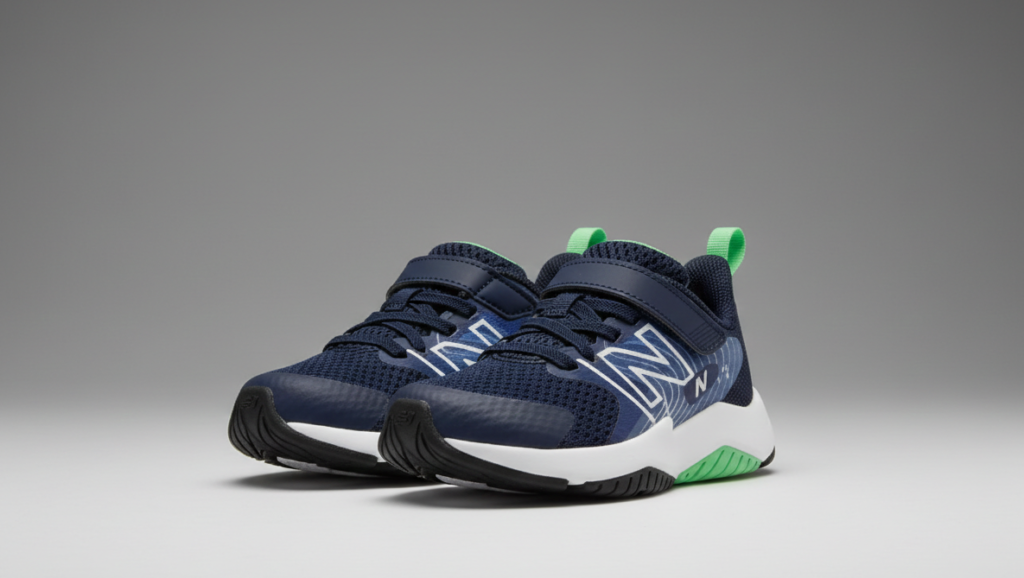
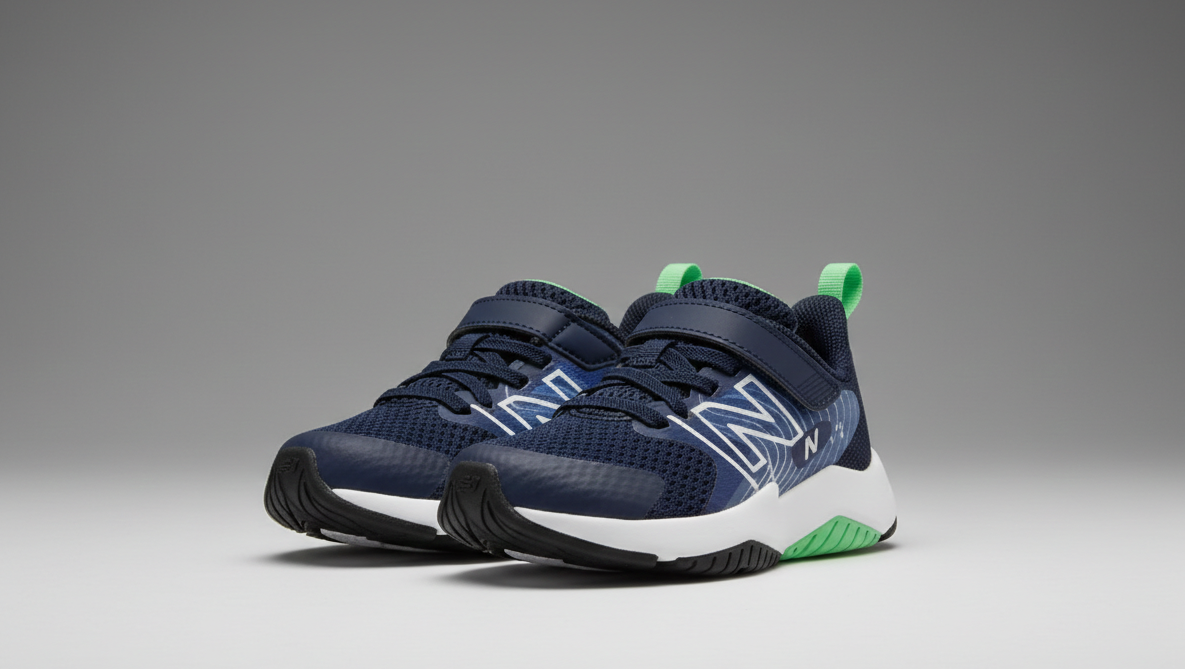
And when it comes to buying the right shoes, you need to choose a reliable brand like New Balance running shoes that offer consistent comfort, proper support, and long-lasting performance for every type of runner. You can explore these shoes, choose your favourite design, pick the pair that fits your running style the best.