Introduction
Installing an Arrester System in Bangladesh is essential for protecting buildings from lightning and electrical surges. Companies like RKW GROUP make the process easier by offering professional guidance and high-quality materials. With proper installation, your building stays safe from unexpected electrical damage.
Arrester System Installation Guide for Buildings in Bangladesh
If you’re planning to install an Arrester System in Bangladesh, you’re already making a smart decision. Bangladesh faces frequent thunderstorms and lightning strikes every year, causing damage to homes, offices, and industrial properties. As your friend who cares, I can tell you this—having a proper arrester system installed means protecting lives, equipment, and your entire building structure.
But installing an arrester system is not just about buying the device; it’s about understanding the process, selecting the right components, and placing everything perfectly. Companies like RKW GROUP specialize in providing complete solutions, from site assessment to installation and grounding.
In this guide, let’s explore how you can install an arrester system in Bangladesh the right way.
1. Why Proper Arrester Installation Matters
Many people focus on buying a high-quality arrester but overlook the installation process. In reality, more than 50% of system performance depends on correct installation.
Proper installation ensures:
- Maximum protection during lightning strikes
- Reduced risk of electrical fire
- Longer lifespan of electronic devices
- Stable power distribution
- Safety for the entire building
In a lightning-prone country like Bangladesh, this protection is essential.
2. Understand the Types of Arrester Systems
Before installing, you must know which arrester suits your building. The common types used in Bangladesh include:
Lightning Arrester
Installed on rooftops to catch direct lightning strikes.
Surge Protection Device (SPD)
Installed inside electrical panels to protect equipment from voltage spikes.
ESE (Early Streamer Emission) Arrester
Advanced lightning protection with a wider coverage.
MOV Arresters
Used for electronic equipment and appliance protection.
RKW GROUP often helps clients choose the right combination depending on building height, structure, and risks.
3. Conduct a Site Survey First
A proper site survey is the first step in any installation. This survey helps identify:
- Building height
- Surrounding structures
- Metal objects
- Weather exposure
- Electrical layout
- Best mounting points
A detailed survey ensures the arrester system is designed specifically for your building.
4. Choose the Highest Point for the Arrester
Lightning always strikes the tallest point. So the main arrester must be installed at the highest part of the building, such as:
- Elevator machine room top
- Overhead water tank
- Roof boundary corner
- Steel tower
- Solar panel frame
This ensures maximum protection radius.
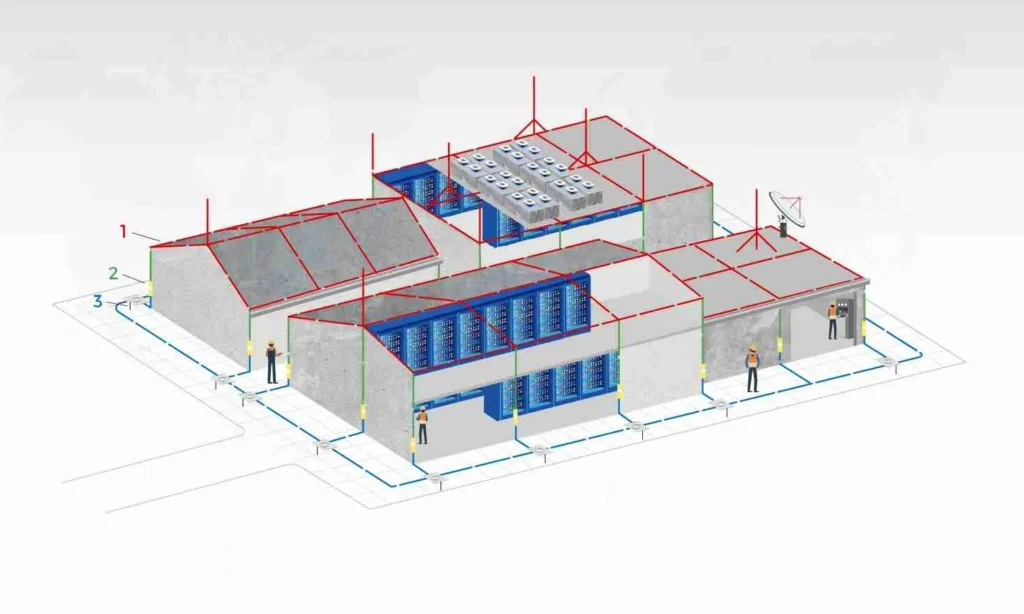
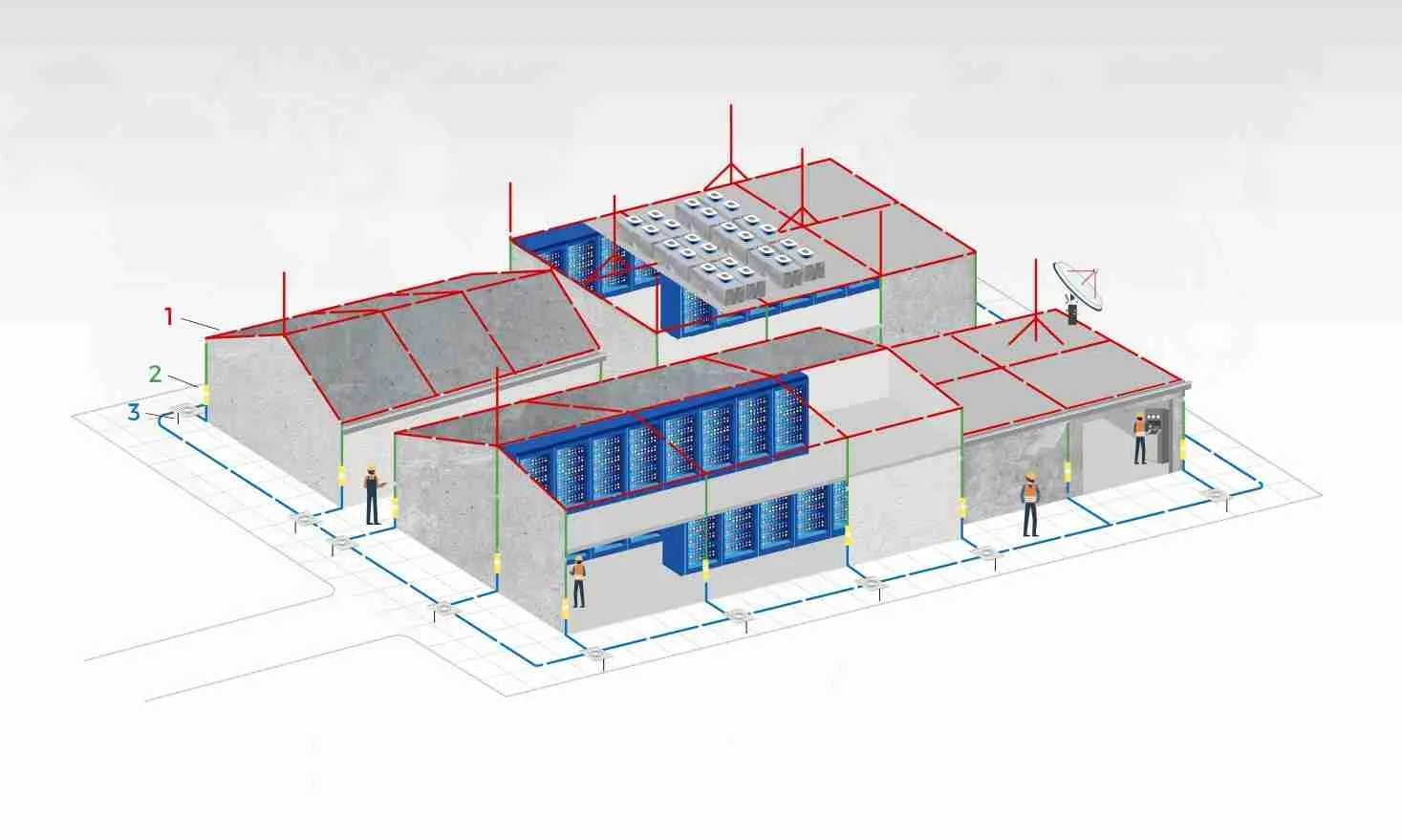
5. Install the Air Terminal (Lightning Rod)
The lightning rod, also called the air terminal, is the part that catches lightning.
Steps for Installing the Air Terminal:
- Use high-quality copper or aluminum rods
- Ensure it stands straight at the highest point
- Keep it away from antennas and satellite dishes
- Mount it firmly using weather-resistant clamps
This rod is the first line of defense against lightning.
6. Install the Down Conductor Safely
The down conductor carries the lightning current safely down to the ground.
Best Practices:
- Use copper or GI strip (25mm × 3mm or equivalent)
- Run it in a straight path
- Avoid sharp bends
- Keep it away from water pipes or gas lines
- Use proper clamps at 1-meter intervals
A smooth path ensures the lightning current travels safely without causing side flashes.
7. Create a Strong Grounding (Earthing) System
No arrester system will work without proper grounding. In Bangladesh, grounding is one of the most important and sensitive steps.
Common Earthing Methods:
- GI pipe earthing
- Copper rod earthing
- Chemical earthing
- Plate earthing
Important Grounding Standards:
- Ground resistance should be below 1 ohm
- Use earthing chemical or coal & salt mixture
- Install at least 2–3 interconnected earth pits
- Test grounding regularly
RKW GROUP ensures that grounding systems follow both national and international standards.
8. Install Surge Protection Devices (SPDs)
SPDs are installed inside the building to protect appliances from voltage spikes caused by lightning or electrical faults.
SPD Placement:
- Main Distribution Board (MDB)
- Sub Distribution Board (SDB)
- Server rooms
- Lift control system
- Generator panel
- Solar inverter
Using Type 1, Type 2, and Type 3 SPDs ensures full-building protection.
9. Bond All Metal Parts to the System
In a lightning strike, metal items can conduct electricity and cause side flashing. That’s why bonding (connecting) metal parts to the arrester system is necessary.
What to Bond:
- Metal roofs
- Water tank stands
- Solar panels
- AC outdoor units
- Metal stair railings
- Steel structures
Bonding helps in safely distributing electrical discharge.
10. Test the System After Installation
Once installation is complete, the entire system must be tested.
Testing Includes:
- Ground resistance testing
- Continuity testing
- Down conductor checking
- SPD functionality check
- Structural inspection
Testing ensures the system is ready for real lightning activity.
11. Create a Maintenance Schedule
Lightning protection systems need regular maintenance, especially in Bangladesh’s humid and stormy climate.
Common Maintenance Tasks:
- Inspect grounding pits
- Test resistance every 6 months
- Check air terminal alignment
- Tighten conductor connections
- Replace damaged SPDs
- Inspect rooftop components
Regular maintenance increases reliability and prevents failures.
12. Ensure Compliance With Bangladesh Standards
Always follow national and international lightning protection standards such as:
- BNBC (Bangladesh National Building Code)
- IEC 62305
- NFPA 780
Professional companies like RKW GROUP always follow these guidelines during installation.
13. Cost Considerations for Arrester Installation
The cost of installing an arrester system depends on:
- Building height
- System type (rod, ESE, SPD combination)
- Grounding materials
- Cable length
- Number of earthing pits
While prices vary, investing in a quality system is always more cost-effective than recovering from lightning damage.
14. Common Mistakes to Avoid
Here are some mistakes people often make:
- Installing the arrester at a low height
- Using thin or low-quality grounding materials
- Skipping SPD installation
- Creating sharp bends in the down conductor
- Poor maintenance
- Improper bonding of metal parts
Avoiding these mistakes ensures long-term safety.
15. Why Professional Installation Is Important
While some people try to install arresters themselves, hiring professionals is the safest choice.
Benefits of Professional Installation:
- Accurate site survey
- Safety assurance
- Correct grounding
- High-quality materials
- Compliance with safety codes
- Long-term reliability
This is why companies like RKW GROUP are trusted by residential, commercial, and industrial clients across Bangladesh.
Conclusion
A reliable Arrester System in Bangladesh must be installed correctly to offer maximum protection. With expert support from RKW GROUP, you can ensure your building stays safe from lightning and electrical surges. Proper installation, grounding, and maintenance guarantee long-term security for both your property and electrical systems.