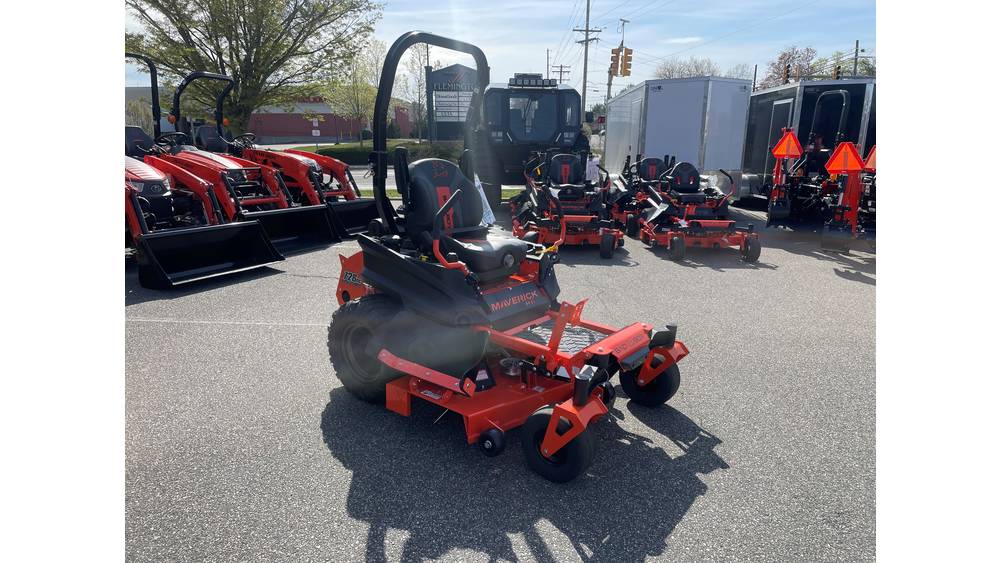
Bad Boy zero‑turn mowers have a reputation for cutting faster, lasting longer, and feeling tougher than “typical lawn equipment” like lawn tractors, push mowers, or big‑box residential zero‑turns. In 2025, the difference comes down to built‑like‑a‑tractor frames, deep fabricated decks, serviceable Hydro‑Gear drives, and comfort features that let you mow more acreage with less fatigue.
The big picture: How a Bad Boy zero‑turn changes mowing day
- Heavy welded frame resists flex and keeps the deck stable over bumps.
- Deep, fabricated steel decks (often 7–10‑gauge depending on model) stand up to impacts and flow grass cleanly.
- Hydro‑Gear commercial‑style transmissions (model‑dependent: ZT‑2800 to ZT‑5400) deliver higher torque and serviceable longevity.
- Real‑world speed and maneuverability cut total time 30–50% versus lawn tractors on the same yard.
- Comfort and control—suspension seats, adjustable control levers, foot‑assist deck lift—reduce fatigue so you keep a steady pace.
- Service‑friendly details—flip‑up floor pan, greaseable cast‑iron spindles, accessible belts—make ownership easier.
Note: Specs vary by model and year; always confirm exact components with your dealer.
Build and deck: Fabricated strength vs “typical” stamped decks
- Frame and chassis
- Bad Boy mowers has welded, heavy‑section steel rails designed to carry a loader‑like front end and a deep deck without flex. That stiffness matters for consistent cut height and long service life.
- Typical lawn equipment (especially value lawn tractors) relies on lighter stamped frames that can twist on uneven ground, which shows up as scalp marks or uneven stripes.
- Deck construction
- Fabricated, deep decks with reinforced leading edges and multiple anti‑scalp wheels help the blades maintain vacuum over rough turf and tall grass.
- Many consumer lawn tractors use thinner, stamped decks that are lighter but more prone to denting and airflow disruption.
- Spindles and belts
- Cast‑iron, greaseable spindles are common on Bad Boy’s mid‑ to pro‑grade models; belt paths are straightforward and accessible under removable covers.
- Typical residential units lean on sealed aluminum spindles; fine for light duty, but less forgiving if you clip stumps or mow rough edges.
Why it matters: A stiffer frame and tougher deck keep blade tip paths true, which is where premium cut quality and longevity come from.
Drive system and engines: Power that holds up
- Hydro‑Gear transmissions
- Bad Boy equips many models with serviceable Hydro‑Gear drives (ZT‑2800/3100/3200 on heavy residential; 3400/5400 on commercial). Service ports and replaceable filters extend life when maintained.
- Big‑box residential zero‑turns often use non‑serviceable EZT‑class drives designed for lighter duty.
- Engines and filtration
- You’ll see reputable powerplants—Kawasaki FR/FS/FX, Kohler Confidant/Command Pro, or Briggs Commercial Turf—often with heavy‑duty air filtration. EFI options (model‑dependent) add fuel savings and altitude compensation.
Why it matters: Torque and cooling capacity keep blade speed and ground speed up in thick spring growth—without bogging or glazing belts.
Cut quality and speed: Real acreage per hour
Zero‑turns are fast; Bad Boy’s deck and drive choices help you actually use that speed.
- Deep‑deck airflow and baffles lift grass upright for a clean, even cut. High‑lift blades and adjustable baffles (model‑dependent) dial in discharge or mulching.
- Foot‑assist deck lift with quarter‑inch height settings helps hop roots and prevent scalping on undulating turf.
- Turn‑on‑a‑dime maneuverability means less trim time around trees, beds, and fence posts.
Acreage math you can use
- Acres/hour (theoretical) = deck width (ft) × speed (mph) × 0.1212
- Example: 60″ (5 ft) deck at 8 mph → 5 × 8 × 0.1212 = 4.85 acres/hr. At a realistic 65% field efficiency, that’s ~3.1 acres/hr.
- Compare: 42″ lawn tractor (3.5 ft) at 4.5 mph → 1.91 acres/hr theoretical; ~1.3 acres/hr at 70% efficiency.
On a 2‑acre property, that’s roughly 35–45 minutes on a mid‑grade Bad Boy vs 90+ minutes on a typical lawn tractor—before trimming.
Comfort and control: Less fatigue, better results
- Suspension and seating
- Suspension seats and (on select models) independent front suspension take the sting out of rough ground so you maintain speed without getting beat up.
- Ergonomics
- Adjustable lap bars, high‑traction foot platforms, intuitive PTO and deck‑height controls make new operators comfortable fast.
- Tires and traction
- Larger drive tires improve ride and reduce turf tearing when you pivot properly.
Tip: Start with 3–4 mph while learning the sticks. After two sessions, most owners comfortably mow at 6–9 mph on open runs and slow down near obstacles.
Ownership details that save time
- Quick access
- Flip‑up floor pan for deck belt and spindle checks; tool‑less belt covers; easy deck‑height pin changes.
- Grease points and filters
- Greaseable spindles and clearly labeled engine/hydro filters simplify routine service. Many serviceable Hydro‑Gear units call for oil/filter changes on a multi‑hundred‑hour interval—check your manual.
- Cleaner storage
- Robust powder coat and sealed electrical connections help the machine handle washdowns and weather better than light‑duty equipment.
Routine rhythm that works
- Every 8–10 hours: blow out deck, check blades for nicks, inspect belts, grease spindles if applicable.
- 50–100 hours: engine oil/filter; sharpen or replace blades; check hydro oil level (change per spec).
- Annually: deck level and pitch check; fuel filter; full fastener walk‑around.
Safety, slopes, and best practices
- Slopes: Follow your manual; many zero‑turns recommend avoiding lateral slopes beyond ~15°. Mow up/down when safe, slow down near ditches, and don’t pivot with the downhill tire light.
- ROPS/seat belt: Commercial chassis often include ROPS—use the belt when it’s up.
- Turf care: Avoid zero‑radius pivots on tender turf; make gentle three‑point turns to prevent scuffing.
Which Bad Boy fits which yard?
- Under 1 acre with obstacles: 42–48″ residential zero‑turn for tight gates/trees.
- 1–3 acres mixed lawn: 48–54″ heavy‑residential with serviceable hydros and a suspension seat.
- 3–7 acres, few obstacles: 54–60″ high‑residential or light commercial for speed and durability.
- 7+ acres or side hustle mowing: 60–72″ commercial deck, high‑capacity hydros, EFI engine option for fuel savings.
Feature priorities by property
- Lots of trees/beds: Smaller deck for precision; strong trim edge; good anti‑scalp wheels.
- Thick or tall grass: Deep fabricated deck, high‑lift blades, higher‑torque drives.
- Bumpy ground: Suspension seat and (if available) front suspension; larger tires.
Accessories that elevate results
- Mulch kit for leaf season and fine clippings
- Bagger for pristine lawn finish or HOA standards
- Striping kit for the ball‑field look
- LED light kit for dawn/dusk
- Hitch and tow‑behind tools (sprayer, dethatcher, roller)
FAQs
Q1: How is a Bad Boy zero‑turn different from a lawn tractor?
A: A heavier welded frame, deep fabricated deck, and higher‑torque hydro drives let it cut faster with a cleaner, more even finish—especially on uneven turf. You also save trim time thanks to true zero‑turn maneuverability.
Q2: Fabricated vs stamped deck—does it really matter?
A: Yes. Fabricated decks use thick plate steel welded into a deep shell, resisting dents and keeping airflow consistent for better cut quality. Stamped decks are lighter and fine for light duty but can deform and lose vacuum more easily.
Q3: Are zero‑turn mowers hard to learn?
A: Most owners feel comfortable after 1–2 sessions. Start slow, make three‑point turns instead of pivots until you develop a light touch, and practice in an open area before mowing near obstacles.
Q4: What engines and drives should I look for?
A: Reputable engines (Kawasaki, Kohler, Briggs Commercial) with strong filtration, and serviceable Hydro‑Gear transmissions (ZT‑2800 and up for heavy residential; 3400/5400 for commercial). Exact specs vary by model—verify with the dealer.
Q5: How much faster is a zero‑turn than a lawn tractor?
A: On a 2‑acre yard, a 60″ zero‑turn at realistic efficiency often finishes in ~35–45 minutes vs 90+ minutes for a 42″ lawn tractor. Terrain, obstacles, and operator speed matter.