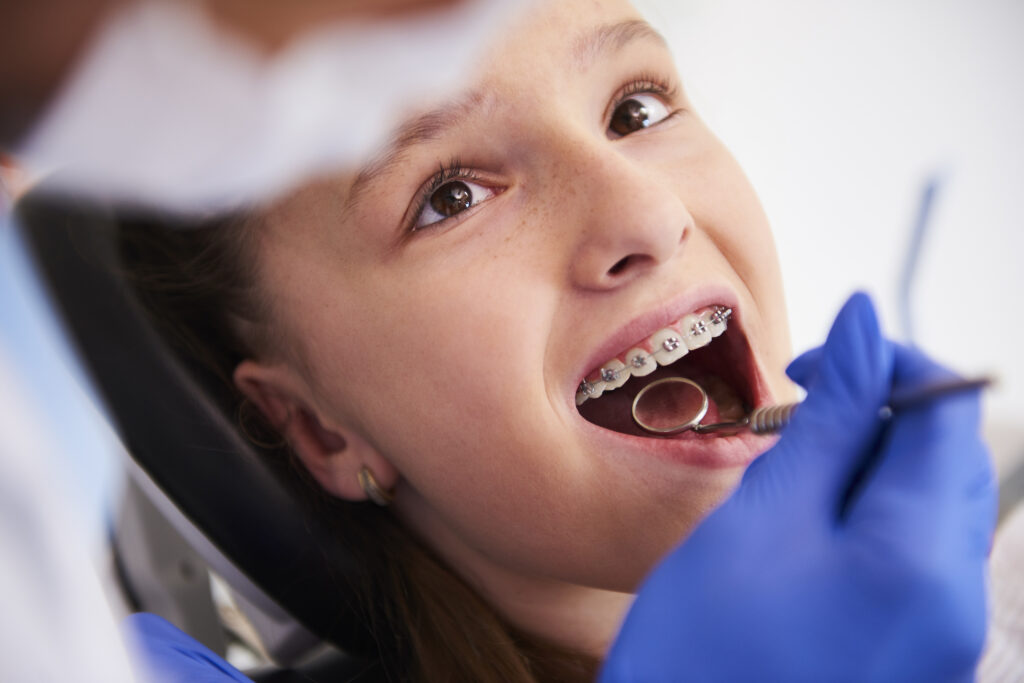
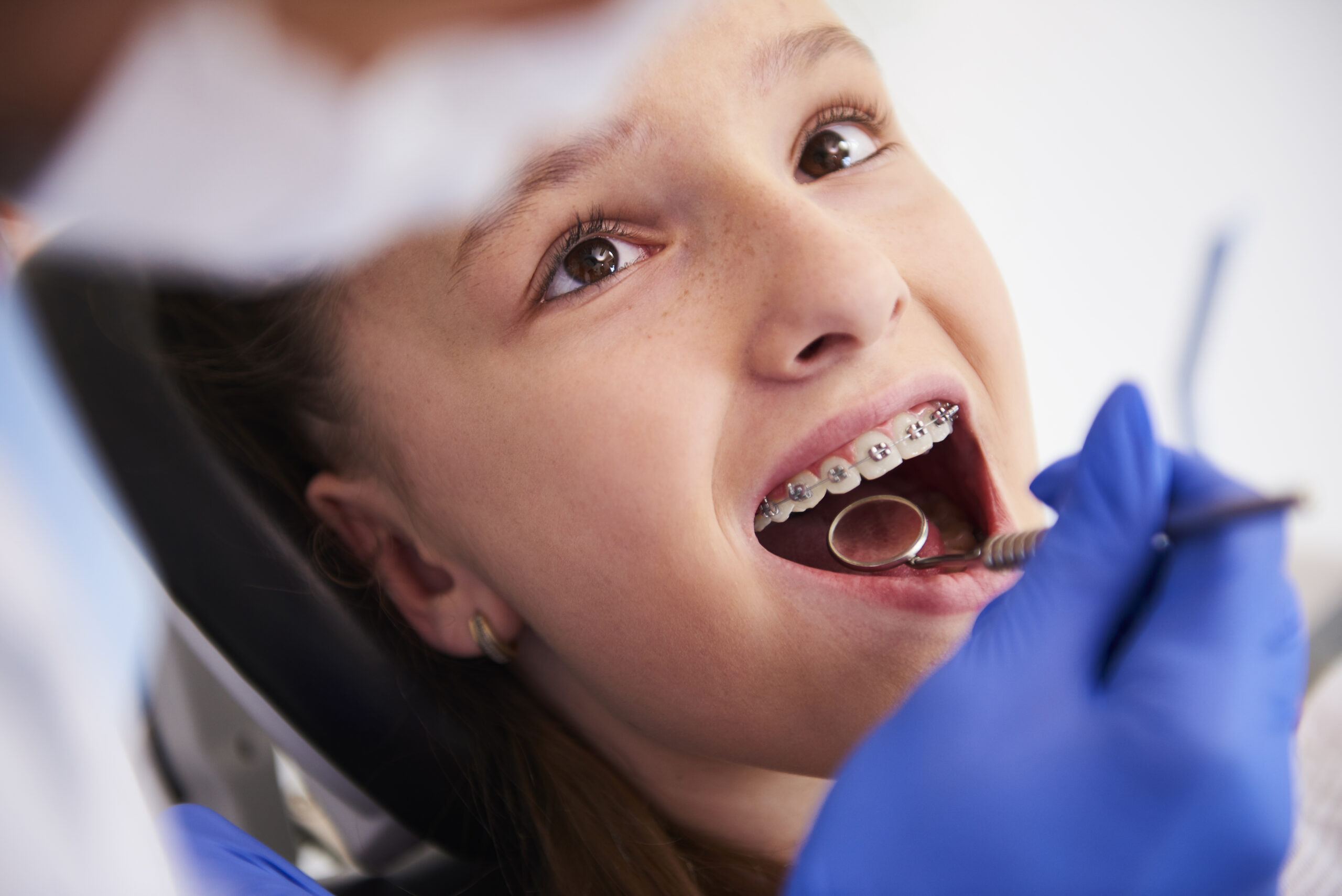
Parents are always questioning the appropriate time to start orthodontic care, and the timeframe of orthodontic care as it relates to long-term dental health. The development of the jaw in childhood provides special chances to direct teeth into more advantageous positions by themselves. Timely advice prevents complicated issues in the future and contributes to non-hesitant smiles in the process of development. The knowledge of the recommended age enables the families to make their planning in a calm and well-informed decision, with specialists available to offer Pediatric Braces Oxford.
Why Orthodontic Timing Is Critical for Children
Timely orthodontic treatment promotes facial development and the health of the jaw. Early analysis will assist specialists in taking action before simple issues turn into long-term problems.
- Guided Jaw Development
During childhood, the growth rate of jaw bones is high, and orthodontists make a way to control the alignment of the teeth, and the pressure on the emerging structures of the teeth can be minimized.
- Prevention of Complications
Prevention of crowding, bite problems, and speech difficulties in the early stages prevents complicated treatment in teenage years among children.
- Long-Term Stability
Effective timing enhances the stability of treatment, and relapses will be lower. It is a proactive intervention instead of a reactive one, such as Pediatric Braces Oxford.
Best Age for Pediatric Braces—Broken Down by Growth Stage
Both stages of growth offer varying orthodontic potentials following the development of dental and skeletal structures. The sections that follow discuss the process of timing assessment by experts in childhood and adolescence.
Early Dental Screening
Children aged six to seven are concerned with observation and not with correction. Experts examine the symmetry of the jaws, bite, and the order of eruption of teeth. These issues usually manifest themselves in a subtle way at this stage, which enables orthodontists to think ahead. Pediatric Braces Oxford consultations are of help to monitor problems carefully before they can later cause disruptions and pain.
Mixed Teeth Phase
Between the ages of eight and nine, there are two sets of teeth, one being that of the baby and the other one being the adult; this is what makes space management important. Simple appliances can be advised by orthodontists to direct erupting teeth and provide a balance of the jaw. Treatment is insignificant and mild. Wise advice at this stage minimizes crowding in the future and facilitates easier progression to other orthodontic stages.
Interceptive Growth Window
The early orthodontic intervention is most effective between the ages of nine and eleven. The growth of the jaw is still active, so crossbites or narrow arches can be fixed with the help of appliances. The treatment at this age tends to reduce the future braces time. Most of the families engage Pediatric Braces Oxford services in this area in order to lower the complexity of treatment.
Traditional Braces Stage
Most permanent teeth are involved between the ages of twelve and fourteen, thus making alignment more predictable. Braces are efficient in correcting spacing, rotations, and bite problems. Treatment benefits are acquired, and compliance is enhanced. Pediatric Braces Oxford during this stage is often prescribed by the specialists because of the balanced growth and accelerated visible effects.
Late Teen Alignment
Teenagers of fifteen years or more are also receptive to orthodontic treatment with slower growth. Movement of the teeth is still effective, but the treatment would be slower. The Bite correction emphasizes the position of the teeth as opposed to the jaw direction. Regular follow-ups can be used to ensure good outcomes, even in cases where the treatment is initiated later than normal.
Conclusion
When to have orthodontic support is the right choice to make towards comfort, confidence, and permanent oral health. Each child grows in their own way, and it is necessary to assess them personally. Timely instructions combined with professional planning result in easier treatment processes and foreseeable results. It is the families that benefit the most when informed care choices prove to be supportive and in line with the Pediatric Braces Oxford specialists they trust.