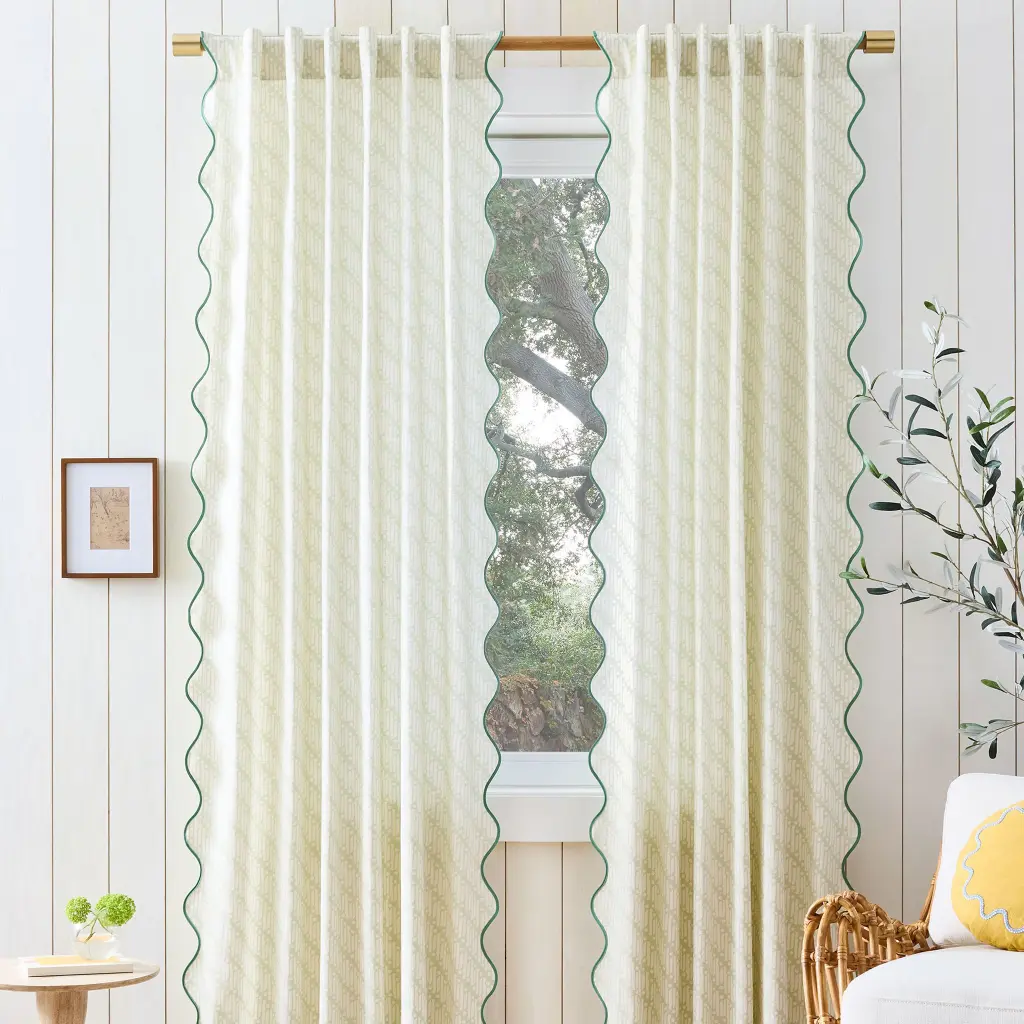
Best Curtains Selection can dramatically transform a room. The perfect pair adds comfort, enhances style, and serves practical needs like privacy and light control. Yet many people find themselves overwhelmed by color swatches, fabric types, and design choices. This guide will help you understand the key factors for choosing curtains that match your space, lifestyle, and taste — confidently and smartly.
Why Choosing the Right Curtains Matters
Curtains are more than decorative fabric. They influence how a room feels, how it performs, and even how much you spend on heating or cooling. The right curtains:
-
Frame the window to complement your décor.
-
Provide light control and privacy, essential for bedrooms, living spaces, and work areas.
-
Improve insulation and energy efficiency, especially important in climates with hot summers or cold winters.
-
Add softness, texture, and acoustic dampening, reducing echoes and noise.
Thus, a thoughtful curtain selection should balance aesthetic appeal, functionality, and durability.
Key Considerations Before Buying Curtains
Before you browse fabric samples or curtain styles, think about these essential factors:
1. Purpose and Room Function
Different rooms have different priorities.
-
Bedrooms may need blackout curtains for complete darkness and better sleep.
-
Living rooms often benefit from sheer curtains with a second layer for soft natural light and style.
-
Dining rooms or study areas may need a balance between privacy and light — light-filtering curtains work well.
-
Offices or windowed workspaces might prefer roller blinds or curtains with neat folds for a clean, professional look.
2. Window Size and Placement
Curtain types should reflect how high or wide your window is.
-
For floor-to-ceiling windows, choose long drapes that pool slightly or hang just above the floor to create a dramatic and elegant effect.
-
For standard or small windows, a shorter curtain or café-style panel may look proportionate.
-
If the window is near furniture or radiators, consider how far curtains hang and their clearance.
3. Desired Light Control and Privacy**
Think about how much light you want to let in and when:
-
Blackout curtains block almost all light, perfect for bedrooms or media rooms.
-
Room-darkening curtains absorb a good bit of light while still allowing some natural brightness.
-
Sheer curtains filter light softly but don’t offer privacy on their own.
Often, the best solution is a layered approach: sheer curtains for daytime and thicker ones for evenings.
4. Fabric and Material**
Curtain fabric dramatically affects look, feel, and maintenance. Common materials include:
-
Cotton or cotton-blend: natural, breathable, and easy to wash — ideal for casual, everyday living.
-
Linen or linen-blend: airy and elegant, especially in minimal or Scandinavian-style décor.
-
Velvet or heavy drapery fabric: luxurious, excellent for insulation and sound dampening, ideal for formal living rooms or bedrooms.
-
Polyester and synthetics: affordable, durable, and easy to clean — great for rentals or busy homes.
-
Blackout/thermal-lined fabrics: focused on blocking light and insulating rooms.
Your fabric choice should reflect your climate, design preferences, and how often the curtains will be used or washed.
5. Curtain Style and Heading**
The heading style affects how the curtain hangs and folds. Popular options include:
-
Eyelet curtains: sleek and modern, with curtains sliding easily on rods — great for contemporary interiors.
-
Pencil-pleat curtains: traditional look, neatly gathered folds, suitable for most décor styles.
-
Box pleat or pinch pleat: classic and tailored, often used in formal settings.
-
Rod-pocket curtains: simple and budget-friendly, though less structured.
-
Tiebacks and layering: adding a sheer layer behind a heavier curtain offers versatility and elegance.
Choosing a heading style helps finalize the overall look — from casual to refined.
How to Select Curtains: Step-by-Step
Here’s a step-by-step plan to help you select curtains thoughtfully:
Step 1: Measure Thoroughly
Measure window width and height, then add extra:
-
For fullness and proper drape, curtain width should be 1.5–3 times the window width.
-
For length, decide if curtains will touch the floor, skim slightly past it, or hang just below the window sill.
Step 2: Define Your Requirements
List what you need:
-
Full blackout? Sheer light? Medium privacy?
-
Do you want insulation, noise reduction, or just decoration?
Define primary and secondary needs before browsing fabrics.
Step 3: Choose Fabric and Color
Match fabric type to room use and color to décor:
-
Light fabrics & neutral tones for airy, contemporary rooms.
-
Mix textures and richer fabrics for layered, cozy, or traditional looks.
Step 4: Pick Curtain Style & Accessories
Decide on heading (eyelet, pleat, etc.), rod or track type, tiebacks, and whether you need lining or blackout backing.
Step 5: Evaluate Maintenance Needs
Some fabrics are machine washable; others need dry cleaning. Velvet, silk, and heavy fabrics usually require careful upkeep. If you expect frequent washing, choose easy-care fabrics.
Step 6: Finalize Measurements and Order or Purchase
Double-check all measurements before ordering custom curtains. For ready-made curtains, choose ones that match sizes as closely as possible.
Curtain Types That Suit Different Home Styles
Here are popular curtain types and where they work best:
| Style | Best For |
|---|---|
| Eyelet curtains | Modern apartments, minimalist décor |
| Pencil-pleat curtains | Traditional homes, classic interiors |
| Blackout curtains | Bedrooms, home theaters, nurseries |
| Sheer curtains | Living rooms, dining rooms, layered décor |
| Velvet or heavy drapes | Luxury homes, villas, formal living spaces |
| Layered curtains | Flexible design, mixed light and privacy needs |
| Thermal-lined curtains | Cold or hot climates, energy efficiency |
Trends in Curtain Selection
Curtain styles evolve with interior design trends. These are currently popular:
-
Floor-to-ceiling curtains — They make rooms feel taller and more luxurious.
-
Neutral palettes — Beige, gray, cream, soft pastels suit modern minimalistic interiors.
-
Textured and natural fabrics — Linen, cotton blends, and eco-friendly materials align with sustainable & warm design.
-
Smart curtains and motorized tracks — For convenience, especially in large windows and high ceilings.
-
Layered curtains — Combining sheer and blackout curtains adds versatility and sophistication.
Budget Tips: How to Get Best Value Without Overspending
Selecting curtains wisely can save money while delivering style and function.
-
Mix custom with ready-made — Use custom curtains for large or unusual windows; ready-made for standard windows.
-
Use curtain liners instead of thick fabrics — Liners can provide blackout or insulation on a budget.
-
Choose low-maintenance fabrics — Cotton blends or synthetics often cost less over time.
-
Buy quality rods and hardware — A sturdy rod extends the life of your curtains.
-
Re-use and re-purpose — If you redecorate, changing only the cloth while keeping rods saves budget and keeps the look fresh.
Maintenance and Care for Long-Lasting Curtains
Good care prolongs both appearance and functionality.
-
Vacuum or dust regularly to remove dust buildup.
-
Spot clean spills immediately to avoid persistent stains.
-
Follow care instructions — some fabrics allow machine wash; others need dry cleaning.
-
Rotate curtains seasonally — thicker curtains in colder seasons; lighter ones in warmer months.
-
Check hardware — ensure rods, hooks, and rings remain secure and in good condition.
Proper care preserves fabric texture, color, and drape, extending the usable life of your curtains for years.
Common Mistakes to Avoid When Selecting Curtains
Even with many options, people often make mistakes. Avoid these:
-
Buying curtains without measuring — this leads to curtains that are too short or too narrow.
-
Choosing fabric solely based on looks — ignoring maintenance, durability, or suitability for the room.
-
Overlooking lining or blackout backing — especially in bedrooms or bright living areas.
-
Using thin curtains in high-sunlight rooms — leading to fading and heat buildup.
-
Ignoring hardware and installation — poor rods or wrong tracks ruin even expensive curtains.
A little planning and careful selection can prevent these common errors.
Final Thoughts: Make Curtains Work for You
Best Curtains Selection involves more than picking a pretty design. It requires understanding your room’s function, light exposure, privacy needs, and overall décor. Take time to measure accurately, define your needs, consider fabric and style, and plan for maintenance.
With the right approach, curtains can:
-
Add warmth and character to your space.
-
Improve comfort, privacy, and energy efficiency.
-
Create a cozy, elegant, or modern aesthetic, depending on your taste.
Ultimately, the best curtains are those that reflect your lifestyle. When chosen thoughtfully, they become more than décor — they become a vital part of your home’s ambiance and comfort.