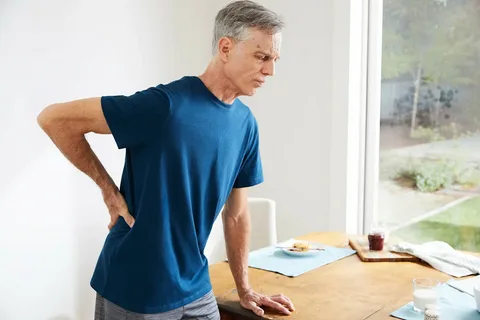
Standing should feel natural and effortless, yet for many people it becomes the most uncomfortable part of the day. Whether the pain begins within minutes or builds gradually, ongoing back discomfort can affect work, mobility, and quality of life. When standing lower back pain when standing is a common complaint that often signals an underlying spinal or muscular issue rather than simple fatigue. Lower back pain when standing is often treated with a combination of physical therapy, posture correction, targeted stretching exercises, anti-inflammatory medications, and lifestyle modifications to reduce strain on the spine.
Why Does Lower Back Pain Appear When Standing?
Pain that shows up mainly in a standing position usually relates to how the spine bears weight. When you stand, the lower spine absorbs pressure from the upper body, and any weakness, imbalance, or structural problem becomes more noticeable. Some people notice lower back pain when standing but not sitting, which often points toward posture-related strain or spinal compression. Sitting temporarily reduces spinal load, masking the discomfort but the issue remains unresolved. Common contributors include:
- Muscle fatigue from poor posture
- Degenerative spinal changes
- Disc-related problems
- Nerve compression
- Core muscle weakness
Over time, untreated pain can worsen and begin affecting daily activities.
Causes of Lower Back Pain When Standing
Following are the common causes:
Muscle Strain and Postural Imbalance
Weak core muscles and prolonged poor posture force the lower back muscles to work harder than they should. This often leads to stiffness and aching after standing for short periods.
Spinal Disc Problems
Disc issues can become more painful when upright due to increased pressure on the spine. This is one reason pain often intensifies when standing or walking.
Facet Joint Dysfunction
The small joints in the spine allow movement and stability. When they become inflamed or arthritic, standing can trigger pain due to compression.
Nerve Compression
Pinched nerves in the lumbar spine may cause pain that worsens with standing and improves when sitting or bending forward.
Structural Conditions
Conditions such as spinal stenosis or abnormal spinal curvature can also cause pain that becomes more noticeable when upright.
What Back Pain When Standing May Indicate?
Pain that persists in multiple positions can signal a more complex issue. Lower back pain when standing and lying down may point toward disc degeneration, inflammatory conditions, or nerve involvement. Unlike temporary muscle fatigue, pain that disrupts rest or sleep should never be ignored. Persistent discomfort across positions often requires medical evaluation to identify the root cause.
When Pain Becomes Severe While Standing or Walking?
Experiencing severe lower back pain when walking or standing may indicate advanced spinal stress or nerve compression. This level of pain can:
- Limit walking distance
- Cause leg weakness or numbness
- Affect balance and posture
- Interfere with daily activities
At this stage, home remedies alone are usually not enough, and professional care becomes essential.
Diagnosis and Evaluation
A thorough evaluation is key to effective treatment. When diagnosing back pain when standing, specialists focus on posture, movement patterns, and spinal alignment. Diagnosis may include:
- Physical examination
- Medical history review
- Imaging tests such as X-rays or MRI
- Neurological assessment if nerve symptoms are present
This approach ensures treatment targets the underlying issue instead of offering temporary relief.
Advanced Treatment for Long-Term Relief
Patients seeking lower back pain treatment in Dallas benefit from individualized care plans that address both symptoms and spinal health. Following are the common advanced treatments:
Physical Therapy and Rehabilitation
Structured therapy strengthens core muscles, improves posture, and restores flexibility. It is often the foundation of long-term recovery.
Non-Surgical Interventions
Depending on the cause, lower back pain doctor in Dallas recommended treatment may include:
- Targeted injections
- Anti-inflammatory therapies
- Lifestyle and ergonomic adjustments
Herniated Disc Care
When disc damage is confirmed, herniated disc treatment in Dallas focuses on relieving nerve pressure while preserving spinal function. Many cases improve with conservative care before surgery is considered.
Lifestyle Changes to Support Recovery
Medical treatment works best when combined with healthy daily habits:
- Maintain proper posture while standing
- Take regular breaks from prolonged standing
- Strengthen core and back muscles
- Use supportive footwear
- Avoid sudden twisting or heavy lifting
These small changes significantly reduce strain on the lower spine and help prevent recurring pain.
How Lower Back Pain Affects Daily Life?
Lower back pain doesn’t just cause physical discomfort it impacts mental well-being and productivity. People often report:
- Difficulty working long hours
- Avoidance of social activities
- Interrupted sleep
- Increased stress and fatigue
Searching for back pain relief near me becomes common once pain begins interfering with routine life. However, lasting relief depends on identifying the exact cause rather than masking symptoms.
When to Seek Professional Help
You should consult a specialist if:
- Pain lasts more than a few weeks
- Symptoms worsen over time
- Pain spreads to the legs
- Numbness or weakness occurs
- Daily activities become difficult
Early care often prevents chronic complications and speeds recovery. Dr. Rao K. Ali is known for a patient-centered approach that emphasizes long-term recovery, advanced diagnostics, and minimally invasive solutions tailored to each individual’s condition.
Conclusion
Lower back pain should never be dismissed as a normal part of life, especially when it consistently appears during standing. With the right diagnosis, targeted treatment, and lifestyle support, long-term relief for lower back pain when standing is achievable. Seeking expert care early can restore mobility, comfort, and confidence in everyday movement.
Frequently Asked Questions (FAQs)
Why does my lower back hurt only when I stand?
Standing places full weight on the lower spine, which can expose muscle weakness, disc problems, or joint inflammation that may not be noticeable when sitting.
Is it normal for back pain to improve when sitting?
Yes, sitting reduces spinal pressure, which is why some people experience pain relief in that position. However, the underlying issue still needs treatment.
Can posture alone cause lower back pain?
Poor posture can significantly contribute to muscle strain and spinal stress, especially during prolonged standing.
Can physical therapy help standing-related back pain?
Yes, targeted therapy strengthens support muscles and corrects movement patterns, often providing long-term relief.