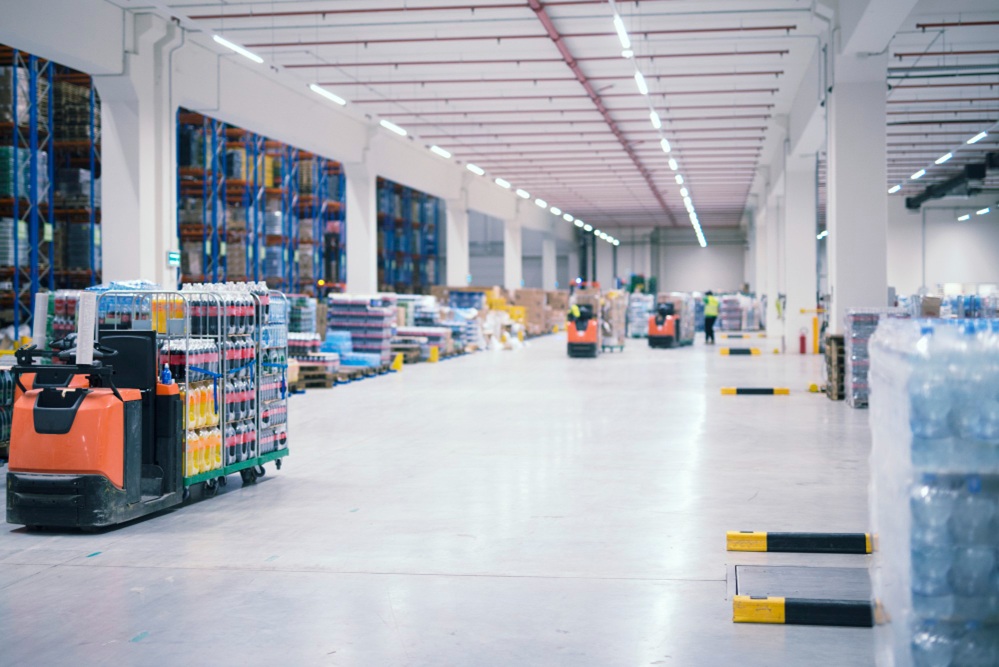
Ever wondered why some warehouse floors look pristine after years of heavy use, while others crack and crumble within months? Have you noticed how certain facilities seem to handle forklift traffic, pallet drops, and constant foot traffic without breaking a sweat? What’s their secret, and more importantly, how can you achieve the same results for your own space?
The truth is, your warehouse floor coating plays a far more critical role than you might realise. It’s not just about aesthetics—though a clean, professional-looking floor certainly makes an impression. The right industrial flooring solution protects your concrete substrate, reduces maintenance costs, improves safety, and can even boost productivity. On the flip side, choosing the wrong commercial concrete floor finish can lead to costly repairs, workplace accidents, and operational disruptions.
In this guide, we’ll explore the best commercial flooring for high-traffic areas, breaking down everything from epoxy industrial floor coating to polyurethane alternatives. You’ll discover what makes certain industrial floor coatings concrete-friendly and durable, learn how to choose the best floor epoxy resin for your specific needs, and understand the real cost implications of your decision. Whether you’re fitting out a new facility or upgrading an existing space, this comprehensive breakdown will help you make an informed choice.
Understanding Industrial Flooring Solutions for Warehouses
What Makes a Floor Coating Suitable for High-Traffic Areas?
Not all floor coatings are created equal, especially when it comes to handling the demands of a busy warehouse environment. High-traffic epoxy floor coating needs specific characteristics to survive the daily punishment of forklifts, pallet jacks, and constant movement.
First up, abrasion resistance is non-negotiable. Your industrial floor covering must withstand continuous friction from tyres, foot traffic, and dragged pallets without wearing thin. Impact resistance matters equally—dropped tools, falling stock, and heavy machinery can destroy inferior coatings in no time.
Chemical resistance is another crucial factor, particularly if your warehouse handles oils, solvents, or cleaning chemicals. The best industrial concrete floor finishes create an impermeable barrier that prevents these substances from penetrating and damaging the concrete beneath.
The Real Cost of Choosing the Wrong Industrial Floor Covering
Opting for a cheaper, unsuitable coating might seem like a smart budget decision initially. However, the long-term costs tell a different story entirely.
Poor-quality commercial concrete paint can fail within twelve to eighteen months, requiring complete removal and reapplication. This means operational downtime, labour costs, and material expenses that quickly exceed what you’d have spent on a quality system from the start.
Beyond direct costs, there’s the safety factor to consider. Failing coatings can become slippery, create uneven surfaces, and expose workers to trip hazards. In Australia, workplace safety regulations are strict, and floor-related incidents can result in significant compensation claims and regulatory penalties.
.jpg "Best Warehouse Floor Coating Options for High-Traffic Areas - Newsglo")
Types of Epoxy Paint and Industrial Floor Coatings Explained
Epoxy Industrial Floor Coating: The Industry Standard
When people discuss industrial epoxy flooring, they’re typically referring to two-part epoxy systems that chemically bond to concrete surfaces. These industrial epoxy floors offer exceptional durability, chemical resistance, and a professional finish that’s easy to maintain.
Epoxy floor coatings industrial applications rely on include warehousing, manufacturing, food processing, and automotive facilities. The coating creates a hard, dense surface that resists staining and can handle heavy loads without deforming.
The main drawback? Standard epoxy can yellow under UV exposure and may become slippery when wet unless you add anti-slip additives.
Polyurethane Coatings: When Flexibility Matters
Polyurethane coatings offer something epoxy can’t—flexibility. This makes them ideal for environments with temperature fluctuations or where slight substrate movement might occur.
These coatings maintain their colour better than epoxy under sunlight, making them suitable for areas with natural light exposure. They’re also more resistant to scratches and scuffs, though they don’t quite match epoxy’s chemical resistance.
Many facilities use polyurethane as a topcoat over industrial epoxy floor coating, combining the benefits of both systems.
Polyaspartic Coatings: The Fast-Curing Alternative
Time is money in warehouse operations, and polyaspartic coatings understand this perfectly. These systems cure incredibly quickly—often within hours rather than days—allowing facilities to return to operation with minimal downtime.
Polyaspartic coatings offer UV stability, excellent abrasion resistance, and can be applied in a wide temperature range. This flexibility makes them particularly useful for Australian conditions, where temperature variations can affect curing times.
The trade-off is cost. Polyaspartic systems typically come with a higher price tag than standard epoxy options.
Acrylic Commercial Concrete Paint: Budget-Friendly Options
For lighter-traffic areas or temporary solutions, acrylic commercial floor paint offers an affordable entry point. These water-based coatings are easy to apply and dry quickly.
However, acrylic industrial cement floor paint simply can’t match the durability of epoxy or polyurethane in heavy-traffic environments. It’s best reserved for walkways, offices, or storage areas with minimal mechanical traffic.
Best Commercial Flooring for High-Traffic Areas: A Detailed Comparison
What Is the Most Durable Floor Coating for Warehouses?
For sheer durability in demanding environments, industrial epoxy floor paint remains the top choice for most Australian warehouses. A properly applied epoxy system can last fifteen to twenty years with appropriate maintenance.
High-build epoxy systems—those applied at greater thickness—offer even better impact and abrasion resistance. These are particularly suited to facilities handling heavy goods or operating heavy machinery constantly.
Industrial Epoxy Flooring vs Other Commercial Concrete Floor Finishes
Comparing industrial floor paint for concrete options requires considering your specific operational needs:
- Epoxy: Best overall durability and chemical resistance
- Polyurethane: Superior UV stability and flexibility
- Polyaspartic: Fastest return to service
- Acrylic: Most economical for light-duty areas
Each industrial concrete paint type serves different purposes, and the “best” option depends entirely on your facility’s requirements.
Which Industrial Concrete Floor Finishes Handle Heavy Machinery Best?
Warehouses operating forklifts, reach trucks, and order pickers need floor epoxy industrial-grade systems specifically designed for mechanical traffic. Look for coatings with:
- High compressive strength ratings
- Excellent abrasion resistance classifications
- Proven track records in similar facilities
Self-levelling epoxy systems often work well here, as they create a smooth, even surface that reduces tyre wear and makes equipment operation easier.
Choosing the Best Floor Epoxy Resin for Your Facility
Key Factors to Consider Before Selecting Industrial Floor Paint for Concrete
Before committing to any epoxy flooring for industrial use, assess these critical factors:
- Traffic levels: How many vehicle movements daily?
- Chemical exposure: What substances might contact the floor?
- Temperature variations: Does your facility experience extremes?
- Moisture levels: Is there rising damp or regular wet cleaning?
- Budget constraints: What’s your realistic investment capacity?
Getting these answers right ensures you select top epoxy flooring suited to your actual conditions.
How Long Does High-Traffic Epoxy Floor Coating Last?
Quality industrial floor epoxy coating systems typically last between ten and twenty years in high-traffic warehouse environments. Several factors influence this lifespan:
Proper surface preparation before application significantly impacts longevity. Correct coating thickness matters enormously—going too thin creates premature failure. Regular maintenance and cleaning prevent damage accumulation.
Can You Apply Industrial Cement Floor Paint Over Existing Coatings?
This depends entirely on the existing coating’s condition and type. In many cases, existing coatings must be removed or mechanically abraded to ensure proper adhesion of new epoxy floor coatings in industrial systems.
Applying fresh coating over failing or incompatible existing finishes leads to adhesion failures, bubbling, and peeling. Always conduct adhesion tests and consult coating manufacturers before proceeding.
.jpg "Best Warehouse Floor Coating Options for High-Traffic Areas - Newsglo")
Top Epoxy Flooring Options for Industrial Use
Self-Levelling Epoxy Floor Coatings Industrial Applications
Self-levelling systems flow across surfaces to create perfectly smooth, seamless finishes. They’re excellent for facilities requiring hygienic, easy-clean surfaces and those operating wheeled equipment.
These coatings typically range from two to five millimetres thick, offering substantial protection and a premium appearance.
Anti-Slip Industrial Epoxy Floor Paint Solutions
Safety-conscious facilities should consider industrial epoxy floor coatings with integrated anti-slip properties. These systems incorporate aggregates like quartz, aluminium oxide, or specialised additives to create textured surfaces.
The level of texture can be adjusted based on requirements—from light orange-peel finishes to heavily textured surfaces for wet areas.
Chemical-Resistant Industrial Concrete Paint
Facilities handling aggressive chemicals need specialist novolac epoxy or vinyl ester systems. These industrial floor coatings concrete applications handle acids, alkalis, and solvents that would destroy standard epoxies.
While more expensive, the protection they provide is essential for chemical processing, battery charging areas, and similar environments.
Application and Maintenance Considerations
How Is Industrial Epoxy Floor Coating Applied?
Professional application follows a precise process: surface preparation through grinding or shot-blasting, crack repair and levelling, primer application, base coat installation, and topcoat finishing.
Each stage requires specific curing times before proceeding. Rushing this process compromises the final result significantly.
What Preparation Does Concrete Need Before Applying Commercial Floor Paint?
Concrete must be clean, dry, and mechanically sound. All contaminants—oils, greases, existing coatings, and curing compounds—must be removed completely.
The surface profile needs to be roughened to allow mechanical bonding. This typically requires diamond grinding or shot-blasting to achieve the correct profile.
Maintaining Your Industrial Epoxy Floors for Maximum Lifespan
Regular sweeping removes abrasive particles that cause wear. Periodic wet mopping with pH-neutral cleaners keeps surfaces hygienic. Promptly clean chemical spills to prevent staining or damage.
Address any damage—chips, cracks, or worn areas—quickly before they spread. Many facilities implement annual inspections to catch problems early.
Common Mistakes to Avoid When Selecting Industrial Floor Epoxy Coating
The biggest mistake? Choosing purely on price. Cheap systems fail faster, costing more in the long term.
Inadequate surface preparation causes most coating failures—never skip this stage. Applying coatings in unsuitable conditions (too cold, too humid, or onto damp concrete) creates adhesion problems.
Underestimating traffic levels leads to selecting insufficiently durable systems. Be realistic about your operational demands when specifying coatings.
.jpg "Best Warehouse Floor Coating Options for High-Traffic Areas - Newsglo")
Making the Right Choice for Your Warehouse
Selecting the right warehouse floor coating isn’t simply about finding the cheapest option or the most impressive-sounding technology. It’s about matching the coating system to your specific operational requirements, environmental conditions, and long-term goals.
Industrial epoxy flooring remains the benchmark for most high-traffic warehouse applications, offering excellent durability, chemical resistance, and value. However, polyurethane and polyaspartic alternatives have their place, particularly where UV exposure, flexibility, or fast curing matters most.
Whatever system you choose, remember that proper application and ongoing maintenance determine whether your investment delivers its full potential. Partner with experienced applicators, follow manufacturer recommendations, and maintain your floors proactively. Do this, and your warehouse floor coating will serve you brilliantly for decades to come.