Blurred or distorted vision can disrupt daily life, affect work performance, and raise concerns about long-term eye health. Whether symptoms appear gradually or suddenly, a professional evaluation is essential to identify the cause and protect visual clarity. Consulting an Ophthalmologist in Chicago ensures access to advanced diagnostic expertise, medical insight, and personalized care tailored to the unique demands of urban living and modern visual stress.
Understanding Blurred and Distorted Vision
Blurred vision reduces the sharpness of objects, while distorted vision can cause straight lines to appear wavy or images to look stretched or uneven. These symptoms may affect one or both eyes and can vary in intensity throughout the day. Some individuals notice problems while reading or driving, while others experience difficulty recognizing faces or focusing on digital screens.
Visual disturbances are not conditions in themselves but indicators of underlying eye or systemic issues. Early evaluation plays a critical role in preventing progression and preserving long-term sight.
Common Causes of Visual Disturbances
Blurred and distorted vision can result from a wide range of conditions. Refractive errors such as nearsightedness, farsightedness, and astigmatism are among the most common causes. These issues prevent light from focusing correctly on the retina.
More complex causes include cataracts, which cloud the eye’s natural lens, and macular degeneration, which affects central vision. Diabetic retinopathy, glaucoma, corneal irregularities, and dry eye disease can also alter visual clarity. In some cases, neurological conditions or medication side effects contribute to visual changes.
The Importance of a Professional Eye Assessment
An accurate diagnosis requires more than a basic vision test. A comprehensive assessment evaluates the entire visual system, from the cornea to the optic nerve. This approach allows eye care specialists to distinguish between temporary visual strain and more serious medical conditions.
An experienced Ophthalmologist in Chicago combines clinical expertise with advanced imaging technology to identify subtle abnormalities that may not be obvious during routine screenings.
What Happens During a Vision Evaluation
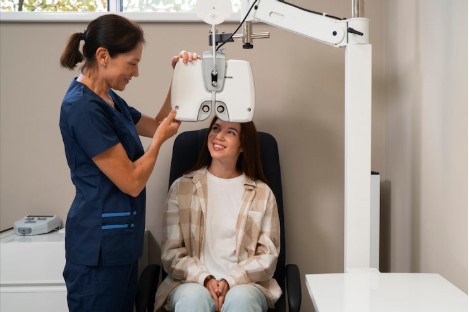
A thorough assessment begins with a detailed discussion of symptoms, medical history, and lifestyle factors such as screen use and occupational demands. Visual acuity testing measures how clearly each eye sees at various distances.
Additional examinations may include refraction testing, slit lamp evaluation, retinal imaging, and intraocular pressure measurement. These tests help detect issues affecting the lens, retina, and optic nerve. When necessary, specialized imaging such as optical coherence tomography provides detailed views of retinal layers, supporting precise diagnosis.
Conditions Commonly Diagnosed Through Assessment
Blurred and distorted vision often points to specific eye conditions that benefit from early detection. Cataracts develop gradually and are more common with age, causing cloudy or faded vision. Macular degeneration affects central vision and can distort straight lines, making early monitoring essential.
Glaucoma may not cause noticeable symptoms in early stages, but it can lead to permanent vision loss if untreated. Corneal disorders, including keratoconus, alter the shape of the cornea and result in visual distortion. Identifying these conditions early allows for timely intervention and better visual outcomes.
Personalized Treatment Planning
Once the cause of visual disturbance is identified, treatment is tailored to the individual. Options may include prescription lenses, medication, lifestyle adjustments, or procedural care. Management plans consider the severity of the condition, overall eye health, and personal visual goals.
Ongoing monitoring ensures that treatment remains effective and adapts to any changes in vision. Regular follow-ups help maintain clarity and comfort over time.
Advanced Eye Care Resources in Chicago
Chicago is home to advanced ophthalmic facilities equipped with modern diagnostic and treatment technologies. Patients benefit from access to comprehensive eye care services, from routine evaluations to specialized surgical options.
The combination of clinical expertise and cutting-edge technology supports accurate diagnosis and effective management of complex visual conditions.
Supporting Long-Term Vision Health
Maintaining a clear vision involves more than addressing current symptoms. Regular eye exams, protective eyewear, balanced nutrition, and proper management of chronic health conditions all contribute to lasting eye health. Early assessment remains the most effective way to detect changes before they affect daily life.
Conclusion
Blurred and distorted vision should never be ignored, as these symptoms often signal underlying eye conditions that benefit from early care. A comprehensive evaluation provides clarity, reassurance, and a clear path forward for treatment. For individuals seeking long-term visual improvement, options such as laser eye surgery in Chicago offer advanced solutions designed to restore clarity and enhance the quality of life under expert medical supervision.