United States Beer Market Size and Forecast 2025–2033
The United States beer market is projected to expand significantly, growing from US$ 246.72 billion in 2024 to US$ 411.89 billion by 2033, reflecting a CAGR of 5.86% between 2025 and 2033.
Growth is driven by rising consumer interest in craft and premium beers, advancements in brewing technologies, increasing demand for low-alcohol and flavored variants, and a stronger emphasis on sustainability within production and packaging processes. As consumer preferences evolve toward quality, authenticity, and wellness-oriented products, the U.S. beer industry continues to adapt and innovate.
Download Free Sample Report:https://www.renub.com/request-sample-page.php?gturl=united-states-beer-market-p.php
United States Beer Market Overview
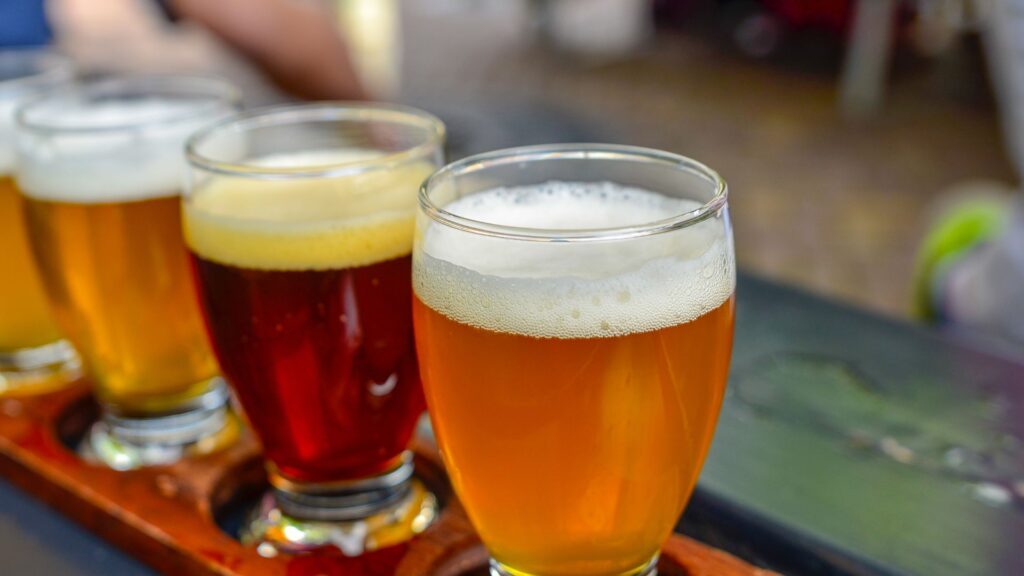
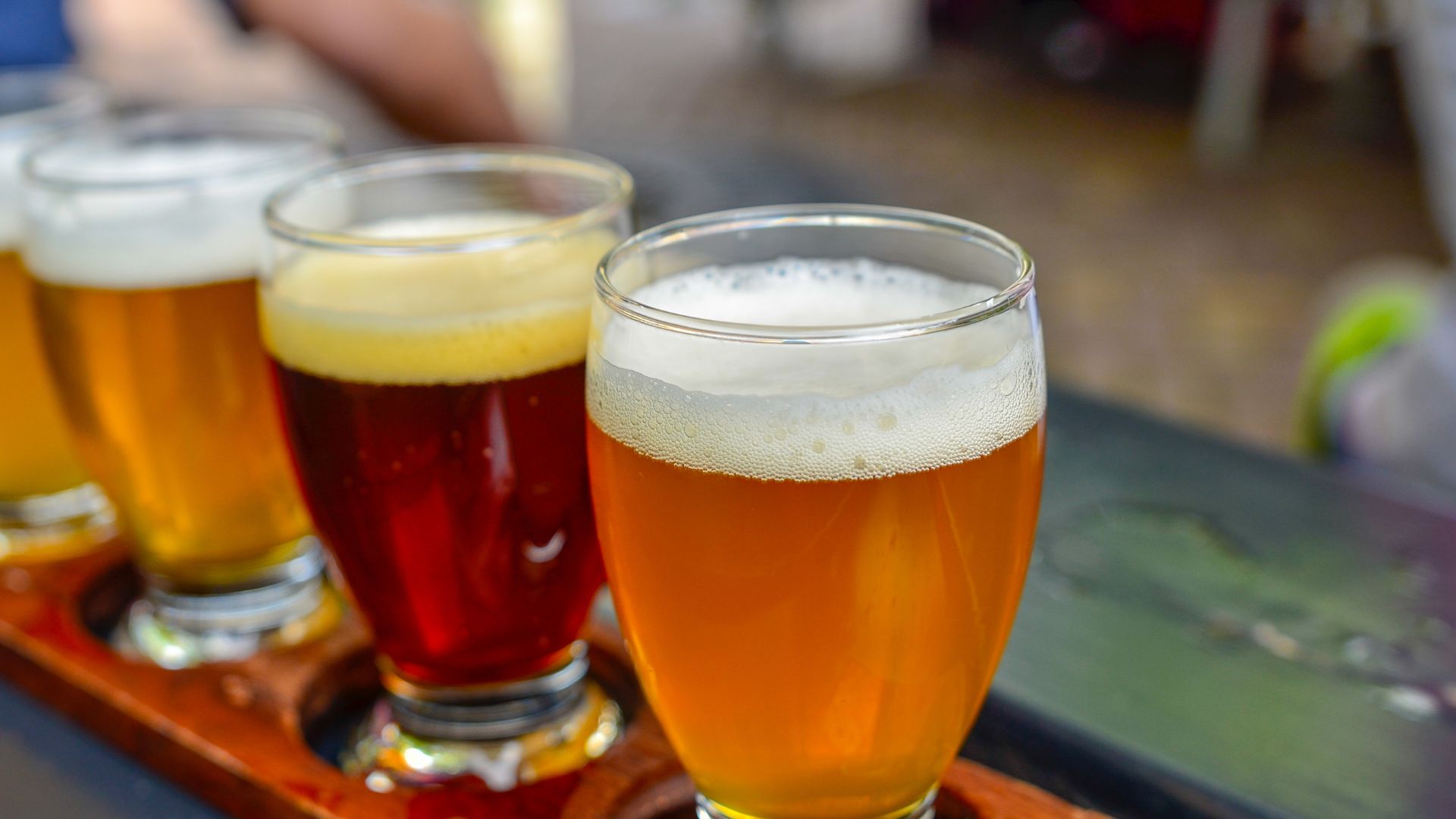
Beer remains one of the most widely consumed alcoholic beverages in the United States. Traditionally brewed from water, malted grains, hops, and yeast, beer has developed into a diverse category encompassing lagers, ales, stouts, IPAs, sours, and specialty brews.
The craft beer revolution has reshaped the American beer landscape over the past two decades. Thousands of microbreweries and brewpubs now operate nationwide, offering consumers local, experimental, and small-batch options. This shift toward artisanal production has fueled innovation and expanded the range of flavors available to consumers.
Beer also maintains strong cultural relevance in the U.S., frequently associated with sports events, festivals, social gatherings, and tourism. Food pairing trends and beer-centric culinary experiences further reinforce its appeal.
Growth Drivers in the United States Beer Market
Growing Demand for Craft and Premium Beers
Consumer preference is increasingly shifting from mass-produced lagers to distinctive craft and premium beers. Millennials and Gen Z consumers prioritize authenticity, local sourcing, sustainability, and flavor complexity.
Craft breweries continue to experiment with:
- IPAs and double IPAs
- Barrel-aged stouts
- Sour ales
- Seasonal and limited-edition releases
Premiumization remains a major trend, with consumers willing to pay higher prices for quality ingredients and innovative brewing methods.
In November 2024, Empresas Polar introduced Polar Premium Beer in the United States, produced at its Florida facility, highlighting the continued expansion of premium imports in the market.
On-Trade Consumption and Expanding Distribution Channels
Diversified distribution channels—including supermarkets, convenience stores, specialty retailers, online platforms, and taprooms—are improving accessibility and sales performance.
The resurgence of bars, restaurants, and pubs has strengthened on-trade draft beer consumption. Breweries increasingly collaborate with hospitality venues to create immersive brand experiences.
In March 2023, BrewBilt Brewing Company expanded online sales following major retail agreements, demonstrating how digital channels are becoming integral to beer distribution strategies.
Increased Demand for Low-Alcohol and Flavored Products
Health-conscious consumers are driving demand for low-calorie, gluten-free, and reduced-alcohol beers. Session beers and alcohol-free variants appeal to individuals seeking moderation without sacrificing social participation.
In May 2025, Grupo Modelo launched Model0%, a 0.4% alcohol beer available in Dorada and Negra variants, catering to the growing demand for low- or no-alcohol beverages.
Flavored beers—featuring citrus, berry, and spice infusions—also continue to attract younger demographics and broaden category appeal.
Market Challenges
Competition from Alternative Alcoholic Beverages
The U.S. beer industry faces intense competition from hard seltzers, ready-to-drink (RTD) cocktails, and craft spirits. These alternatives appeal to consumers seeking novelty, lower-calorie options, and premium branding.
Breweries must continuously innovate to retain market share, increasing operational complexity and production costs.
Rising Raw Material and Distribution Costs
Fluctuating prices of barley, hops, aluminum, and glass significantly affect profit margins. Inflation, supply chain disruptions, and logistics challenges add pressure—particularly for small craft breweries lacking economies of scale.
Large players mitigate cost pressures through automation and scale efficiencies, while smaller producers often struggle to maintain profitability.
Market Segments
Standard Beer Market
The standard beer segment includes mass-produced lagers and pilsners distributed nationwide. Despite growing competition from craft and premium categories, standard beers maintain strong brand loyalty and accessibility across retail channels.
Leading macro-brewers such as Molson Coors Beverage Company leverage large-scale production and marketing capabilities to sustain competitive pricing and broad availability.
Premium Beer Market
Premium beers emphasize craftsmanship, distinctive ingredients, and strong branding. Imported and domestic premium offerings benefit from rising disposable incomes and exposure to international beer cultures.
Companies such as Asahi Group Holdings, Ltd. and Diageo plc strengthen their premium portfolios to meet demand for upscale beer experiences.
Packaging Trends
Glass Beer Market
Glass bottles remain preferred for their premium image, recyclability, and flavor preservation. Craft brewers particularly favor glass to reinforce authenticity and heritage.
However, rising production and transportation costs encourage lightweight bottle innovations and reusable packaging systems.
PET Bottle Market
PET packaging is gaining traction for outdoor events and convenience-driven occasions. Lightweight and break-resistant, PET bottles enhance portability. Increased use of recycled PET (rPET) supports sustainability initiatives, though premium consumers may perceive PET as less prestigious.
Metal Cans
Aluminum cans remain dominant due to durability, recyclability, and cost efficiency, particularly for large-scale production.
Production Segments
Macro-Brewery Market
Large-scale producers such as Anheuser-Busch InBev maintain significant volume share through extensive national distribution networks.
To remain competitive, macro-breweries invest in craft acquisitions and premium product lines.
Micro-Brewery Market
Microbreweries continue expanding through localized branding, experimental brews, and taproom-focused experiences. Innovation and community engagement remain core differentiators.
Alcohol Content Segments
- High Alcohol (6–12% ABV) – Popular among niche consumers seeking robust flavor profiles.
- Low Alcohol – Growing segment driven by wellness trends.
- Alcohol-Free – Rapidly expanding category addressing moderation preferences.
Flavor Segmentation
- Unflavored – Traditional lagers and pilsners remain dominant.
- Flavored – Fruit, spice, and specialty infusions attract younger consumers.
State-Level Market Insights
California Beer Market
California leads the U.S. beer market, driven by its vibrant craft brewing culture. Breweries such as Sierra Nevada Brewing Co. and Stone Brewing exemplify innovation and sustainability practices.
Tourism, festivals, and strong environmental initiatives enhance California’s beer ecosystem.
New York Beer Market
New York benefits from a dynamic urban culture and diverse brewery scene. High on-trade consumption and strong tourism activity drive premium beer demand.
Washington Beer Market
Washington State’s hop production leadership provides a supply advantage, fostering innovation in IPAs and specialty brews. Craft authenticity and sustainable production practices resonate strongly with consumers.
Market Segmentation Overview
By Product Type
- Standard
- Premium
- Specialty
- Others
By Packaging
- Glass
- PET Bottle
- Metal Can
- Others
By Production
- Macro-Brewery
- Micro-Brewery
- Others
By Alcohol Content
- High
- Low
- Alcohol-Free
By Flavor
- Unflavored
- Flavored
By Distribution Channel
- Supermarkets & Hypermarkets
- On-Trades
- Specialty Stores
- Convenience Stores
- Others
Key Companies in the United States Beer Market
Major companies analyzed include:
- Asahi Group Holdings, Ltd.
- Molson Coors Beverage Company
- Diageo plc
- Dogfish Head Craft Brewery Inc.
- Sierra Nevada Brewing Co.
- Grupo Modelo
- Oettinger Brauerei GmbH
Each company is evaluated across five viewpoints:
- Company Overview
- Key Personnel
- Recent Developments
- SWOT Analysis
- Revenue Analysis
Final Thoughts
The United States beer market is on a steady growth trajectory, projected to rise from US$ 246.72 billion in 2024 to US$ 411.89 billion by 2033.
Craft innovation, premiumization, health-oriented offerings, and sustainable practices are reshaping the competitive landscape. While challenges such as rising input costs and competition from alternative alcoholic beverages persist, continued experimentation and strategic diversification position the industry for sustained expansion.
As consumer preferences evolve toward authenticity, quality, and responsible consumption, breweries that successfully balance tradition with innovation will define the future of the U.S. beer market.