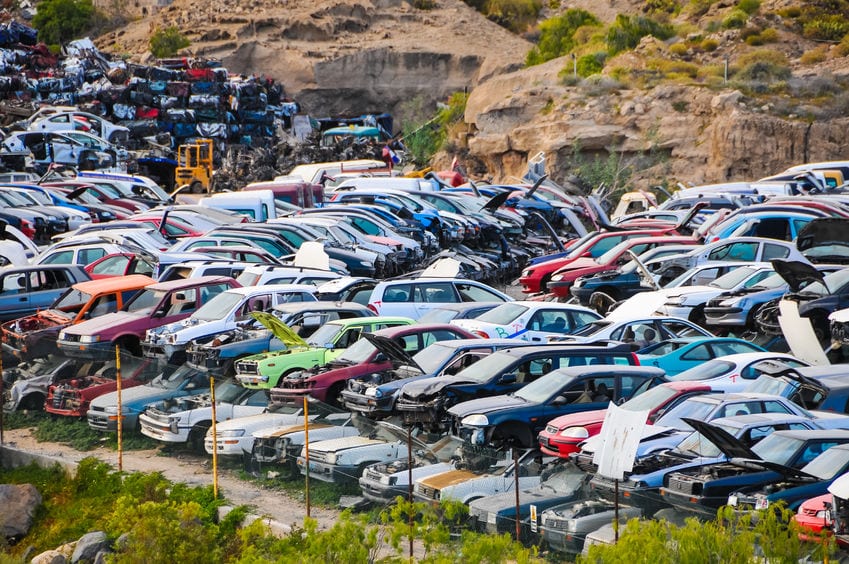
The average car on Australian roads is now over 10 years old, and every year hundreds of thousands cars become too old or uneconomical to keep running. Many end up abandoned, rusting in backyards, or sent to landfill adding to the country’s mounting waste crisis. At the same time, the demand for raw materials keeps rising. Could car wreckers and auto-recycling businesses actually be part of the answer rather than part of the problem?
Inside the World of Car Wrecking and Recycling
Car wreckers (also known as auto dismantlers or vehicle recyclers) buy end-of-life vehicles, salvage usable parts, and responsibly recycle the rest. Instead of a car being crushed and buried, up to 95–98 % of its weight can be recovered and reused.
Metals such as steel, aluminium, copper, and even platinum from catalytic converters are extracted and sent back to manufacturers. Fluids are drained and disposed of safely, tyres are retreaded or turned into playground surfaces, and plastics are increasingly being reprocessed.
This process keeps thousands of tonnes of material out of landfill every year and reduces the need to mine new resources. In fact, recycling one tonne of steel saves approximately 1.5 tonnes of iron ore and halves the energy needed compared to producing steel from scratch.
The Scale of Australia’s Vehicle Waste Problem
According to the Australian Bureau of Statistics and recent industry reports, around 700,000–800,000 vehicles are deregistered in Australia annually. If each vehicle weighs roughly 1.4 tonnes, that’s more than one million tonnes of potential waste.
Historically, a large portion was exported as scrap metal or simply crushed and landfilled. Newer environmental regulations and bans on exporting unprocessed waste have forced the country to handle more of these vehicles domestically – which is actually good news for the recycling sector.
Why Traditional Disposal Is No Longer Sustainable
Sending an old car to landfill is expensive for the owner and terrible for the environment. Heavy metals can leach into soil and groundwater, fluids contaminate waterways, and plastics take centuries to break down.
Many councils now charge high fees or refuse to accept whole vehicles at tips. Abandoning a car can lead to heavy fines under illegal dumping laws. This is where professional wrecking and recycling services become the smarter, cleaner choice.
How Modern Car Wreckers Contribute to a Circular Economy
Today’s licensed wreckers operate under strict environmental guidelines set by state EPAs. They must depollute every vehicle – removing batteries, oils, coolant, and fuel – before any dismantling begins. Many are now certified under the Australian Motor Vehicle Recycling Code of Practice. Parts that are still in good condition (engines, gearboxes, body panels, electronics) are tested, cleaned, and resold with warranties, giving them a second life and keeping newer cars on the road affordably.
Services such as Townsville cars for cash and other major cities have made the process even easier for owners. You simply call or fill out an online form, receive an instant offer, and the wrecker handles free pickup, paperwork, and payment on the spot – often the same day. This convenience encourages more people to recycle rather than abandon or hoard unwanted vehicles.
The Bigger Environmental Benefits
Beyond waste reduction, auto recycling has a significant carbon advantage. Manufacturing a new car generates around 6–8 tonnes of CO₂. Using recycled steel and aluminium can cut that figure by up to 90 % for certain components.
With Australia aiming for net-zero emissions by 2050, the role of vehicle recycling in lowering the country’s industrial role in cutting emissions is too big to dismiss.
Issues That Haven’t Been Solved Yet
While the industry is growing, challenges remain. Not all wreckers follow best practices – unlicensed “backyard” operators can still cause pollution. Rare-earth metals in modern hybrid and electric vehicle batteries require specialised recycling facilities that are only now being built in Australia.
Public awareness is another hurdle; many people still believe an old car is worthless when, in reality, it contains hundreds or even thousands of dollars worth of recyclable material.
Reasons to Be Optimistic
Government incentives, better infrastructure, and rising commodity values are driving major growth in the recycling sector. Many states now offer rebates or disposal discounts, and manufacturers are increasingly designing vehicles with end-of-life recycling in mind. Services like damaged car removal Kirwan also support this shift by giving owners an easy way to dispose of old vehicles responsibly.
As electric vehicles enter the waste stream over the coming decade, the expertise developed by today’s wreckers will be crucial.
Final Thoughts
Car wreckers are no longer just the place you call when your old Commodore finally dies. They are a vital link in Australia’s transition to a more circular, less wasteful economy. By choosing a reputable, licensed wrecker instead of abandonment or landfill, every Australian can play a small but meaningful role in reducing waste, conserving resources, and cutting emissions. Next time you have an unwanted car taking up space, remember: one quick call could turn automotive junk into genuine environmental good.
Explore more insights and useful guides in our blog section.