
Modern construction in Dubai demands precision, strength, and long-term reliability. From towering skyscrapers to expansive infrastructure projects, every structural component plays a critical role in safety and performance. Among these components, fastening systems are essential for transferring loads and securing structural elements. Choosing between cast-in fasteners and post-installed solutions is a key decision faced by engineers, contractors, and project managers. For projects involving Anchor Bolts in Dubai, understanding how these two systems differ is crucial to ensuring structural integrity and project efficiency.
This article explores cast-in fasteners and post-installed solutions in detail, comparing their applications, advantages, limitations, and suitability for different types of construction projects across Dubai.
Understanding Cast-In Fasteners
What Are Cast-In Fasteners
Cast-in fasteners are anchoring elements that are positioned in formwork before concrete is poured. Once the concrete cures, these fasteners become an integral part of the structure. Commonly used in foundations, columns, and heavy structural elements, cast-in systems are known for their strength and reliability.
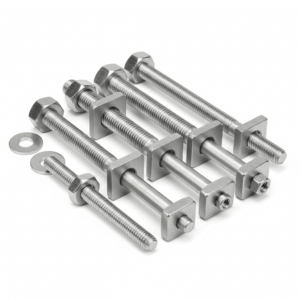
Because they are embedded during the initial construction phase, cast-in fasteners benefit from optimal load transfer and uniform stress distribution within the concrete.
Typical Applications in Dubai Projects
In Dubai, cast-in fasteners are widely used in large-scale developments such as high-rise buildings, bridges, industrial facilities, and infrastructure projects. These fasteners are particularly suitable for projects where load requirements are clearly defined during the design stage and minimal future modifications are expected.
Understanding Post-Installed Fastening Solutions
What Are Post-Installed Fasteners
Post-installed fasteners are anchoring systems that are installed after the concrete has cured. These include mechanical anchors, chemical anchors, and expansion fasteners. They are drilled into existing concrete and secured using mechanical force or bonding agents.
Post-installed solutions offer flexibility, making them ideal for retrofitting, renovations, or design changes during construction.
Common Uses in Dubai Construction
Dubai’s fast-paced construction environment often demands adaptability. Post-installed fasteners are frequently used for adding equipment supports, façade systems, handrails, MEP services, and structural upgrades in both new and existing buildings.
Key Differences Between Cast-In and Post-Installed Systems
Installation Timing and Planning
Cast-in fasteners require precise planning and coordination before concrete placement. Any error in positioning can be difficult and costly to rectify. Post-installed fasteners, on the other hand, allow for adjustments after concrete curing, offering greater flexibility during later construction stages.
Load Capacity and Performance
Cast-in fasteners generally provide higher load-bearing capacity due to their monolithic integration with concrete. They distribute forces more evenly, reducing stress concentrations. Post-installed systems can also achieve high load capacities, especially when chemical anchors are used, but their performance depends heavily on correct installation and substrate quality.
Design Flexibility
Post-installed solutions offer superior design flexibility. If project requirements change or additional components need to be installed, these fasteners can be added without altering the primary structure. Cast-in fasteners are less adaptable once the concrete is set.
Suitability for Dubai’s Construction Environment
Climate and Environmental Considerations
Dubai’s climate is characterized by high temperatures, humidity, and coastal exposure in certain areas. These conditions influence material selection and fastening performance. Both cast-in and post-installed systems must be corrosion-resistant and compliant with local standards.
When selecting Anchor Bolts in Dubai, engineers often prioritize materials such as stainless steel or hot-dip galvanized steel to ensure durability in harsh environments.
Compliance With Local Standards
Dubai construction projects must adhere to strict building codes and international standards. Cast-in fasteners are typically specified during the design phase and integrated into structural calculations. Post-installed fasteners must be tested and approved for use under specific load conditions and installation methods.
Advantages of Cast-In Fasteners
Structural Reliability
Because cast-in fasteners are embedded directly into the concrete, they provide excellent load transfer and long-term performance. This makes them ideal for critical structural applications where safety margins are paramount.
Reduced Installation Risk
When installed correctly, cast-in fasteners reduce the risk of installation errors associated with drilling, such as improper hole depth or misalignment. Their performance is less dependent on site conditions once the concrete has cured.
Advantages of Post-Installed Solutions
Flexibility and Adaptability
Post-installed fasteners are highly adaptable, allowing modifications without major structural changes. This flexibility is particularly valuable in commercial projects where layouts and requirements may evolve during construction.
Ease of Retrofitting
For existing structures, post-installed systems are often the only viable option. They enable upgrades, repairs, and additions without demolishing concrete elements.
Limitations of Each System
Challenges With Cast-In Fasteners
The primary limitation of cast-in fasteners is the lack of flexibility. Any misplacement during installation can lead to delays and additional costs. They also require accurate forecasting of future load requirements.
Challenges With Post-Installed Fasteners
Post-installed solutions rely heavily on proper installation techniques. Incorrect drilling, cleaning, or adhesive application can compromise performance. Quality control and skilled labor are essential to ensure reliability.
Cost and Time Considerations
Initial Costs
Cast-in fasteners may have lower material costs but require careful planning and coordination. Post-installed systems may involve higher material and labor costs, particularly for chemical anchors.
Also Read this : Toyota Maintenance in Dubai (What Most Owners Forget to Check)
Impact on Project Timelines
Cast-in systems integrate seamlessly into the construction schedule when planned well. Post-installed fasteners can save time when changes arise, as they eliminate the need for structural alterations.
Choosing the Right Solution for Your Project
Project Stage and Requirements
The choice between cast-in and post-installed fasteners depends largely on the project stage. New builds with finalized designs benefit from cast-in solutions, while projects requiring adaptability or upgrades are better served by post-installed systems.
Risk Assessment and Quality Control
Evaluating risk tolerance, load requirements, and available expertise is essential. Both systems perform well when designed and installed correctly, but each carries different risk profiles.
Role of Engineering Expertise
Experienced engineers play a crucial role in selecting appropriate fastening systems. Detailed calculations, load testing, and compliance checks ensure that the chosen solution meets both structural and regulatory requirements.
Conclusion
Cast-in fasteners and post-installed solutions each play an important role in Dubai’s construction landscape. Cast-in systems offer superior structural integration and load capacity, making them ideal for primary structural elements. Post-installed solutions provide flexibility and adaptability, supporting modifications and retrofitting needs.
By understanding project requirements, environmental conditions, and long-term performance expectations, stakeholders can make informed decisions. Selecting the right fastening approach ensures safety, efficiency, and durability across diverse construction projects in Dubai.




One Response