Understanding the cervical fusion neck scar and how to manage it properly is crucial for anyone undergoing or recovering from cervical spine surgery. This surgical procedure, while life changing for many patients dealing with chronic neck pain or spinal issues, does leave a visible mark that requires proper care and attention during the healing process.
What Does a Cervical Fusion Scar Look Like
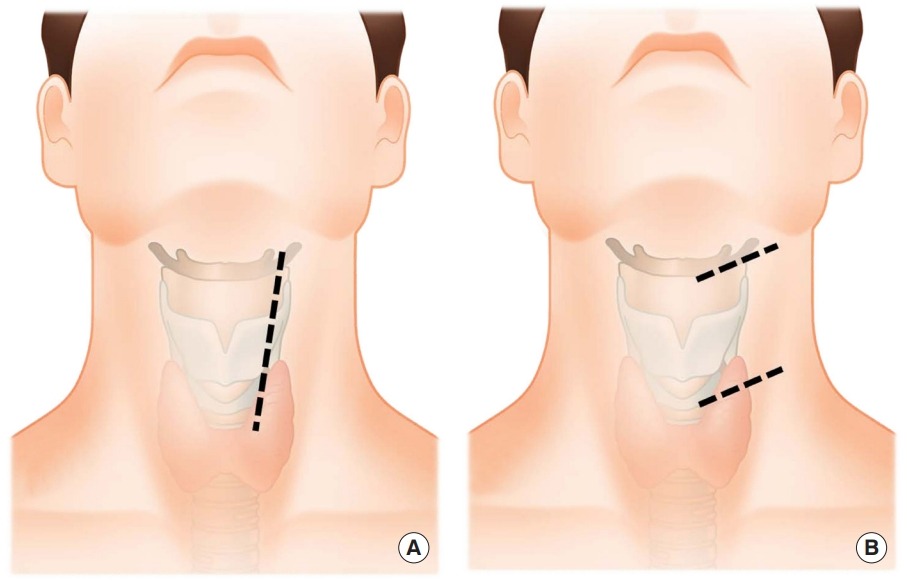
The appearance of your surgical scar depends largely on the approach your surgeon uses. An anterior cervical discectomy typically creates a horizontal incision across the front of your neck, usually measuring between two to four inches. This scar is often placed in a natural neck crease to minimize visibility. In contrast, a posterior cervical fusion incision runs vertically down the back of the neck and may be slightly longer depending on how many vertebrae require fusion.
Fresh surgical incisions appear red, raised, and quite noticeable during the first few weeks. The cervical vertebrae fusion procedure requires careful incision placement to access the spine safely. Most patients notice their neck surgery scar tissue begins changing appearance around the three month mark, gradually fading from bright red to pink, then eventually to a lighter shade closer to your natural skin tone.
Understanding Cervical Spine Surgery Recovery
Recovery from spinal fusion involves more than just wound healing. Your body must adapt to the surgical changes while the incision site closes and matures. The neck surgery scar healing process typically follows a predictable timeline, though individual experiences vary based on age, skin type, overall health, and surgical technique.
During the first two weeks, your primary focus should be keeping the wound clean and dry. Most surgeons use surgical glue or dissolvable stitches that do not require removal. The minimally invasive cervical surgery techniques now available often result in smaller scars, though not all cases qualify for this approach.
The initial healing phase lasts approximately six weeks. During this time, you must avoid activities that strain your neck or compromise blood flow to the surgical site. Proper nutrition plays a vital role in wound healing. Protein rich foods, vitamin C, and adequate hydration support tissue repair and can influence how well your cervical fusion scar tissue forms.
How to Reduce Cervical Fusion Scars Effectively
Scar management should begin once your surgeon confirms the incision has fully closed, typically around two to three weeks post surgery. Starting too early can disrupt healing, while waiting too long means missing the optimal window for scar modification.
Silicone based products remain the gold standard for scar reduction. These come in gel or sheet form and work by hydrating the scar tissue while applying gentle pressure. Medical studies consistently show that silicone products can soften, flatten, and fade scars when used consistently for three to six months. Apply the best scar cream for cervical fusion twice daily for maximum benefit.
Massage therapy specifically designed for scars can prevent excessive scar tissue formation. Once cleared by your doctor, gently massage the area using small circular motions. This technique breaks up adhesions, improves blood flow, and keeps the tissue supple. Use a fragrance free moisturizer during massage to reduce friction.
Sun protection cannot be overstated. Ultraviolet radiation causes scars to darken and become more prominent. Apply broad spectrum sunscreen with SPF 30 or higher to your neck daily, even on cloudy days. Consider wearing high neck clothing or scarves during peak sun hours for the first year after surgery.
Will My Neck Scar Fade After Cervical Fusion
The honest answer is yes, but complete disappearance rarely occurs. Most cervical fusion recovery and scarring follows a maturation process lasting 12 to 18 months. Your scar will likely become flatter, softer, and much less noticeable during this period.
Factors affecting scar appearance include your genetics, age, skin tone, and how well you follow post operative care instructions. People with darker skin tones may experience hyperpigmentation, where the scar becomes darker than surrounding skin. Conversely, some scars become lighter than the surrounding area.
The surgical technique matters significantly. Anterior versus posterior cervical fusion scars differ not just in location but in how visible they remain long term. Anterior scars often hide better in neck creases, while posterior scars may be more visible if you wear your hair up or have short hair.
Keloid or hypertrophic scarring represents a more serious concern. These raised, overgrown scars result from excessive collagen production during healing. If you have a history of problematic scarring, inform your surgeon before the procedure. Preventive measures like steroid injections or specialized dressing can reduce this risk.
Cervical Fusion Neck Scar Treatment Options
When basic scar care proves insufficient, medical interventions can improve appearance. Laser therapy targets the blood vessels and pigmentation in scars, reducing redness and thickness. Multiple sessions spaced several weeks apart typically produce the best results. This treatment works particularly well for raised or discolored scars.
Steroid injections help flatten raised scars by reducing inflammation and slowing collagen production. Your dermatologist or plastic surgeon administers these injections directly into the scar tissue. Most patients require multiple treatments over several months.
Microneedling creates controlled micro injuries in the scar tissue, stimulating collagen remodeling and improving texture. This procedure combined with topical treatments can significantly enhance scar appearance, though it requires several sessions for optimal results.
For severely problematic scars, surgical revision remains an option. This involves removing the old scar and creating a new, more refined incision. However, revision surgery carries risks and does not guarantee better results. Most surgeons recommend exhausting conservative treatments before considering this option.
Minimizing Neck Scars from Spinal Surgery
Prevention starts before surgery. Discuss scar concerns with your surgeon during pre operative consultations. Some surgeons specialize in minimally invasive cervical surgery techniques that result in smaller incisions. Ask about surgical approach options and how they affect scarring.
Stop smoking at least four weeks before surgery. Nicotine constricts blood vessels, reducing oxygen delivery to healing tissues. This significantly impairs wound healing and increases scar visibility. Similarly, certain medications and supplements can affect healing. Review your complete medication list with your surgical team.
Maintain stable blood sugar levels if you have diabetes. Elevated glucose impairs wound healing and increases infection risk, both of which worsen scarring. Work with your endocrinologist to optimize control before and after surgery.
Follow activity restrictions carefully during neck surgery scar management. Excessive movement or strain can pull on the incision, widening the scar. Most surgeons recommend wearing a neck brace initially to limit movement and protect the surgical site.
When Does Cervical Fusion Scar Heal Completely
The surgical site closes within two to three weeks, but true scar maturation takes much longer. The cervical fusion surgical site continues remodeling for 12 to 18 months after surgery. During this time, the scar gradually softens, flattens, and fades.
Month one brings rapid changes. The incision seals, swelling decreases, and the angry red appearance begins to soften. You can typically resume gentle activities, though heavy lifting and vigorous exercise remain off limits.
Months two through six represent the active remodeling phase. Your scar becomes less raised and the color transitions from red to pink. This is the optimal time for aggressive scar management with silicone products, massage, and sun protection.
Months six through eighteen bring subtle improvements. The scar continues to fade and flatten, though changes occur more slowly. Most patients reach their final scar appearance around the 18 month mark, though some improvement may continue beyond this point.
Cervical Fusion Scar Tissue Complications
While most scars heal without issues, complications do occur. Infection represents the most serious early concern. Warning signs include increasing pain, redness spreading beyond the incision, warmth, swelling, drainage, or fever. Contact your surgeon immediately if you experience these symptoms.
Wound dehiscence, where the incision reopens, can happen if you resume activities too quickly or if healing is compromised. This requires immediate medical attention and may need additional surgical intervention.
Excessive scar tissue formation can occur internally as well as externally. Internal adhesions may cause stiffness or limit neck mobility. Physical therapy helps prevent and address this issue through targeted exercises and manual therapy techniques.
Nerve damage near the incision site sometimes causes numbness, tingling, or altered sensation around the scar. This often improves over time as nerves heal, though some changes may persist permanently.
Living with Your Cervical Fusion Neck Scar
Most people adapt well to their surgical scar over time. The mark represents successful treatment of a painful or debilitating condition. Many patients report that as their quality of life improves post surgery, they become less concerned about scar visibility.
Cosmetic camouflage offers practical solutions for times when you want to minimize scar visibility. Specialized cover up makeup designed for scars can effectively conceal them for special occasions. Choose waterproof, long wearing formulas for best results.
Clothing choices provide easy concealment. Turtlenecks, scarves, and collared shirts easily hide anterior neck scars. For posterior scars, hairstyle choices offer coverage options.
Support groups and online communities connect you with others navigating similar experiences. Sharing concerns and tips with people who understand your journey can provide emotional support and practical advice.
Conclusion
Managing your cervical fusion neck scar effectively requires patience, consistency, and proper technique. Start with basic wound care immediately after surgery, then transition to active scar management once healing permits. Remember that significant improvement takes time, with most scars reaching their final appearance around 18 months post surgery.
Focus on proven strategies like silicone products, gentle massage, and diligent sun protection. These simple interventions can dramatically improve scar appearance when used consistently. If you develop concerns about healing or scar appearance, consult your surgeon promptly rather than waiting.
Your surgical scar represents more than just a mark on your skin. It symbolizes your commitment to addressing a serious health condition and improving your quality of life. With proper care and realistic expectations, most patients find their scars fade to subtle lines that cause minimal concern in daily life.