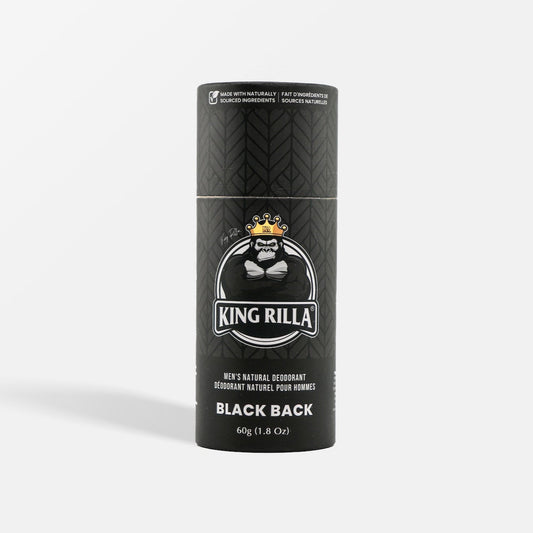
In recent years, more and more people have been avoiding aluminum deodorants in pursuit of healthier personal care. Whether you fear sensitive skin, future ingredients, or plain old want something that feels gentle and works well to keep odors away, choosing the right deodorant can make all the difference. Here’s how to get one that will match your skin and lifestyle.
Why Use a No Aluminum Deodorant?
Conventional antiperspirants typically contain aluminum compounds that plug sweat ducts and reduce sweating. Anyway, for the no-Aluminum deodorant, it’s all good for fighting odor without getting in the way of sweat. It means your body will still be able to sweat naturally, which is its way of regulating temperature, and for many users, it is a more skin-friendly approach.
Know Your Skin Type
A deodorant works or doesn’t depending on your skin type:
Sensitive Skin: If your underarms are sensitive, opt for products labeled “hypoallergenic” or “for sensitive skin.” Calming agents such as aloe vera, chamomile, and coconut oil can help soothe irritation.
Dry or Normal Skin: Most natural deodorants play nice, but steer clear of slightly drying ingredients like baking soda if your skin errs on the dry, flaky side.
Oily or Sweaty Skin: But you’ll still want strict odor control. Seek out formulas with absorbent natural powders (like cornstarch or arrowroot) to help keep you dry.
Check the Ingredient List
A no-aluminum deodorant often allows you to switch, eliminating chemical antiperspirants in favor of natural products. Here’s what to seek — and what to avoid:
Helpful Ingredients
- Natural antibacterials, such as tea tree oil, sage, and probiotics, can help reduce odor-causing bacteria.
- Moisturizers, such as shea butter or coconut oil, protect sensitive underarm skin.
- Absorbents, such as arrowroot powder or tapioca starch, to keep you dry and happy
Potential Irritants
- Baking soda: Yes, many love it for helping control odor, but it can be unpleasant on sensitive skin.
- Synthetic fragrances: These can be irritating, or may make the cream smell nicer — if you are sensitive, it’s better to go fragrance-free.
Test Before You Commit
Everyone’s body chemistry is unique. What works for one friend, you’ll find, probably won’t work for you. Begin with a small sample if you have one. Try applying it daily and see how your skin reacts after a couple of weeks — sometimes there is an adjustment period as your body gets used to this new friend.
Lifestyle Matters
Think about your routine. If you’re on the go or work out often, you may want a deodorant with stronger odor protection. If you are mostly desk-bound, you might prefer a lighter, more calming formula.
This guide was meant to simplify the process of selecting the right non-aluminum deodorant. By getting to know your skin, reading ingredient lists, and being willing to sample a little here and there, you will find a product that keeps you smelling great — naturally.