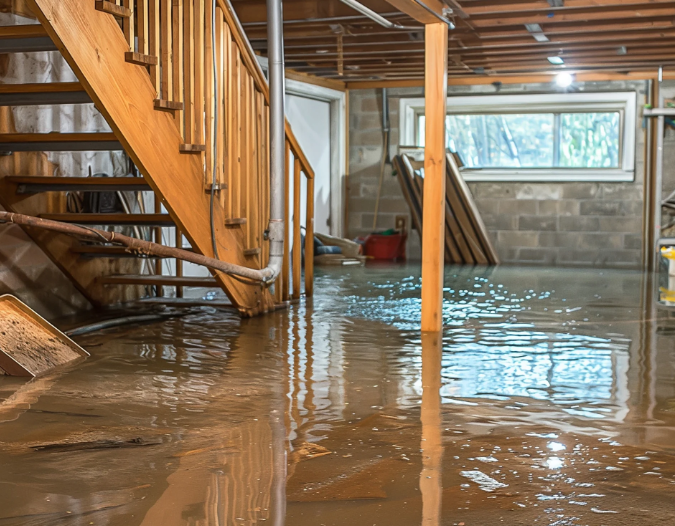
A leaking basement is one of the most frustrating problems homeowners face. What may begin as a small damp spot can quickly turn into standing water, mold growth, and structural damage. Basements are naturally vulnerable because they sit below ground level and are constantly exposed to surrounding soil and groundwater. That’s why many homeowners turn to professional Basement waterproofing in St. Louis to prevent long-term moisture problems and protect their homes.
Understanding the common causes of basement leaks—and how waterproofing addresses them—can help you take action before minor issues become major repairs.
1. Poor Exterior Drainage
One of the leading causes of basement leaks is improper drainage around the home. When gutters and downspouts fail to direct water away from the foundation, rainwater accumulates around the base of the house. Over time, this excess moisture seeps into foundation walls.
Improper grading can worsen the issue. If the ground slopes toward the home instead of away from it, water naturally flows toward the foundation during heavy rain.
How Waterproofing Solves It:
Waterproofing professionals often recommend correcting the grading around the property and extending downspouts to direct water several feet away from the home. Exterior drainage systems, such as French drains, can also be installed to channel groundwater away from the foundation before it has a chance to seep inside.
2. Foundation Cracks
Concrete foundations can develop cracks due to natural settling, soil movement, or hydrostatic pressure. While some small hairline cracks are common, larger or widening cracks create pathways for water intrusion.
Even a small crack can allow moisture to enter during heavy rainfall or snowmelt.
How Waterproofing Solves It:
Professional waterproofing includes sealing foundation cracks with epoxy or polyurethane injections. These materials create watertight seals that prevent moisture from penetrating the structure. In some cases, additional reinforcement may be recommended to prevent further cracking.
3. Hydrostatic Pressure
Hydrostatic pressure occurs when water builds up in the soil surrounding your foundation. After heavy rain or prolonged wet conditions, the saturated soil exerts pressure against basement walls. This pressure forces water through tiny pores and cracks in the concrete.
Over time, hydrostatic pressure can cause walls to bow, crack, or weaken.
How Waterproofing Solves It:
Interior drainage systems and sump pumps are commonly installed to relieve hydrostatic pressure. These systems collect water that enters the basement and pump it safely away from the home. By managing water at its source, waterproofing prevents structural strain and interior flooding.
4. Clogged or Failing Gutters
Gutters play a critical role in protecting your basement. When they become clogged with leaves and debris, water overflows and spills directly near the foundation. This repeated exposure increases the likelihood of leaks.
How Waterproofing Solves It:
As part of a comprehensive waterproofing strategy, professionals inspect and improve gutter systems. Installing gutter guards and ensuring proper downspout placement reduces water accumulation near the foundation.
5. Window Well Leaks
Basement windows are another vulnerable area. Poorly sealed window wells can fill with water during storms. If drainage is inadequate, water may seep through window frames and into the basement.
How Waterproofing Solves It:
Waterproofing solutions may include installing window well covers, improving drainage within the well, and sealing window frames to prevent leaks.
6. Porous Concrete Walls
Concrete is naturally porous, meaning it can absorb moisture over time. Even without visible cracks, water can migrate through foundation walls and create damp conditions inside the basement.
This often appears as condensation, discoloration, or white mineral deposits (efflorescence) on walls.
How Waterproofing Solves It:
Applying waterproof coatings or membranes to foundation walls creates a barrier that blocks moisture penetration. These coatings are designed to withstand groundwater pressure and keep basements dry.
7. Plumbing Leaks
Not all basement leaks originate from outside. Internal plumbing leaks can mimic foundation problems. Leaking pipes, faulty water heaters, or damaged sump pumps can introduce unwanted moisture.
How Waterproofing Solves It:
A professional inspection helps identify whether the source is structural or plumbing-related. Addressing plumbing issues alongside waterproofing measures ensures a comprehensive solution.
The Risks of Ignoring Basement Leaks
Ignoring basement leaks can lead to significant consequences, including:
-
Mold and mildew growth
-
Wood rot and structural weakening
-
Damaged flooring and drywall
-
Decreased indoor air quality
-
Lower property value
Persistent moisture also creates an environment conducive to pests and unpleasant odors. Acting early prevents these issues from escalating.
Long-Term Benefits of Professional Waterproofing
Basement waterproofing does more than stop leaks—it protects your home’s overall integrity. A dry basement contributes to:
-
Stronger foundation stability
-
Healthier indoor air quality
-
Increased usable living space
-
Higher property value
-
Reduced risk of costly repairs
Professional solutions are tailored to your home’s specific needs. Rather than applying temporary fixes, experts identify the underlying causes and implement long-lasting protection strategies.
When to Seek Professional Help
You should consider a professional evaluation if you notice:
-
Standing water after heavy rain
-
Damp walls or flooring
-
Musty odors
-
Visible cracks in foundation walls
-
Efflorescence or discoloration
Early intervention is typically more affordable and less invasive than waiting for severe water damage to occur.
Conclusion
Basement leaks can stem from poor drainage, foundation cracks, hydrostatic pressure, or even plumbing issues. Without proper intervention, these problems can lead to mold growth, structural damage, and decreased home value. Professional waterproofing addresses both the symptoms and the root causes, providing long-term protection against moisture intrusion. By investing in reliable Basement waterproofing in St. Louis, homeowners can safeguard their foundations, improve indoor air quality, and ensure a dry, stable home for years to come.