Dubai stands as one of the world’s most vibrant hubs of culture, innovation, and ambitious growth. As businesses compete for visibility in a city defined by global energy and multicultural depth, building a strong brand identity becomes essential. Brands must speak to diverse audiences while maintaining clarity, authenticity, and emotional relevance. In this environment, creativity alone is not enough unless it is rooted in cultural insight and strategic direction. Brands that understand the cultural pulse of Dubai can create deeper connections, stronger loyalty, and a more powerful presence in the market.
Because Dubai welcomes people from more than 200 nationalities, communication must reflect layered identities and diverse perspectives. Businesses therefore need a brand framework that resonates across cultures while staying true to their own story. Many companies seek guidance on shaping their Brand Identity in Dubai because they understand the importance of designing an identity that reflects the city’s multicultural values, local traditions, and global aspirations. When identity aligns with the cultural energy of the market, brands achieve lasting recognition and meaningful engagement, allowing them to compete with confidence and clarity.
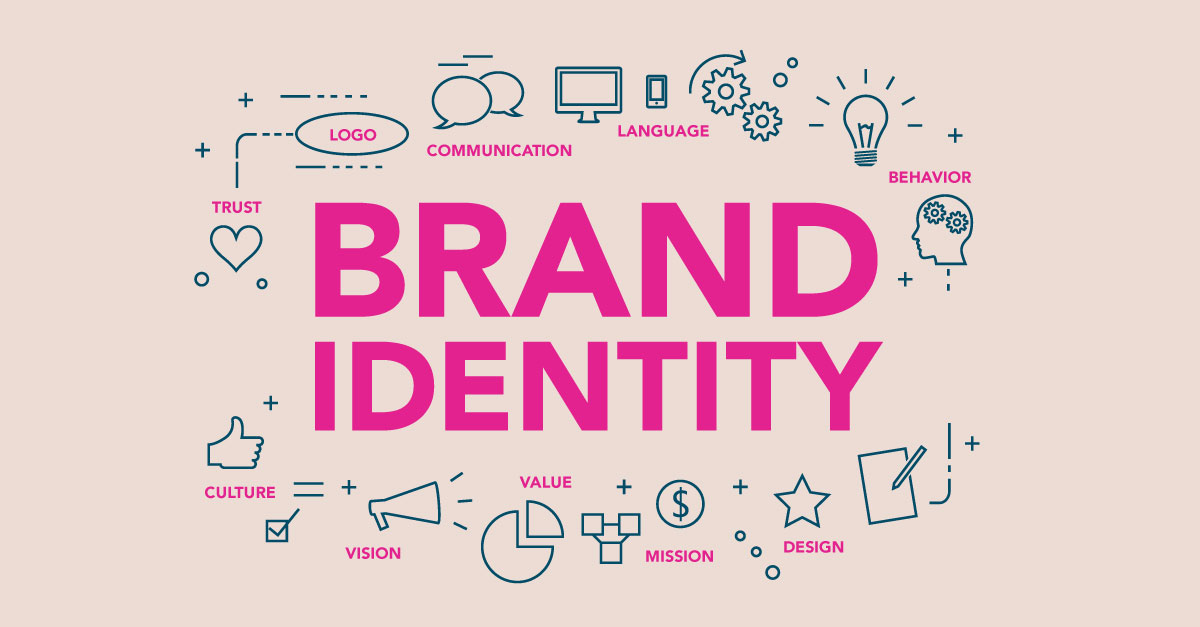
Understanding brand identity in a multicultural environment requires a strategic approach grounded in purpose, narrative, and design. Brand identity is not limited to a logo or visual element. Instead, it reflects the soul of a brand—its values, its voice, and the emotion it creates in the minds of audiences. In Dubai’s competitive landscape, identity becomes a strategic tool that communicates what a brand represents and why it matters. Brands that invest in culture-driven identity development gain clarity, direction, and the ability to connect with diverse groups in meaningful ways.
Understanding Brand Identity in a Multicultural Market
Brand identity defines how a business presents itself to the world and how people perceive it. This includes visual elements, communication style, values, and unique differentiators. In a market as culturally varied as Dubai, identity must be flexible yet focused to reach audiences with different expectations and communication styles. Residents, expatriates, and global visitors may interpret brand cues differently, making it important for businesses to use visual language and messaging that are universally relatable.
Cultural awareness influences every part of identity. From color choices to tone of voice, each element must align with the sensibilities of a multicultural audience. Dubai’s consumers expect brands to understand their lifestyles, values, and beliefs. When brands demonstrate this awareness, they foster trust and build emotional relevance. A culturally grounded brand identity creates clarity and helps brands stand out in a competitive market where innovation and creativity are highly valued.
The Role of Culture-Driven Creativity
Creativity forms the heart of branding, yet it becomes truly impactful when shaped by cultural understanding. Culture-driven creativity ensures that brand narratives, visuals, and messages align with the lived experiences of Dubai’s population. Instead of relying on generic concepts, brands must embed meaning and cultural cues into their identity design. This creates emotional depth and allows audiences to engage with the brand at a personal level.
Dubai’s cultural landscape is a blend of traditional Middle Eastern values and contemporary global influences. This unique mix invites brands to design identities that respect local customs while tapping into global aesthetics. For example, minimalist design trends may be popular, yet local audiences often respond strongly to elements that reflect heritage, community, and belonging. Brands that find harmony between global appeal and regional relevance achieve stronger positioning and longer-lasting resonance.
Storytelling also plays a central role in culture-driven creativity. Stories convey values, evoke emotions, and create shared meaning among diverse audiences. When brands craft stories that reflect cultural insight, they become relatable and memorable. Visual storytelling, in particular, allows brands to communicate identity in a way that crosses language barriers, making it a powerful tool in Dubai’s international market.
Key Elements of Building a Powerful Brand Identity in Dubai
1. Brand Purpose and Positioning
Every strong identity begins with purpose. Purpose defines why a brand exists and what it aims to contribute to its audience. Positioning clarifies how the brand differentiates itself and why customers should choose it over competitors. In Dubai, where markets evolve quickly, clear purpose and positioning help brands remain steady and recognizable.
2. Visual Identity and Design Language
Visuals play a major role in shaping first impressions. Logos, color palettes, typography, and imagery must align with the brand’s story while appealing to Dubai’s diverse audience. Modern, clean aesthetics often resonate, yet brands must also consider cultural sensitivities and color symbolism. A strong visual system remains adaptable across digital, physical, and global touchpoints.
3. Tone of Voice and Multilingual Communication
Dubai’s population includes Arabic speakers, English speakers, and multi-language communities. A well-defined tone of voice ensures consistency across all communication. Brands must maintain clarity and cultural respect in every language. A warm, inclusive tone often resonates well, especially when addressing multicultural audiences.
4. Cultural Relevance and Emotional Resonance
Cultural relevance transforms identity into connection. Brands must understand the traditions, values, and aspirations of people living in Dubai. Whether highlighting themes of community, hospitality, unity, or ambition, brands should incorporate emotional cues that reflect shared cultural experiences. This ensures authenticity and improves audience recall.
Leveraging Local Insights for Stronger Identity
Local insights shape the foundation of culturally aligned branding. Brands must study behavior patterns, media consumption trends, and cultural attitudes to create identities that feel natural and meaningful. Dubai’s population values quality, innovation, and cultural respect. Brands that reflect these priorities stand out.
Understanding local customs—such as holiday rhythms, social values, and lifestyle habits—helps brands speak with relevance. For example, integrating themes related to Ramadan, family gatherings, or community events can enhance cultural connection. Cultural intelligence also informs design choices, ensuring visuals remain respectful, modern, and relatable.
Brands that incorporate local stories, symbols, or experiences into their identity often create stronger emotional impact. Whether through visual motifs, thematic concepts, or tone of voice, cultural grounding helps the brand feel embedded in the community rather than external to it.
Designing a Cohesive, Future-Ready Identity
Dubai’s fast-paced environment requires future-ready identity systems that adapt to new technologies and emerging trends. A cohesive identity remains recognizable across all platforms, including social media, mobile apps, packaging, and physical experiences. Consistency strengthens credibility and helps audiences connect with the brand effortlessly.
A flexible identity system allows brands to evolve while maintaining core recognition. Modular design elements, dynamic logos, and adaptable color systems help brands stay visually relevant. As digital transformation accelerates, brands must ensure their identity functions seamlessly across virtual, augmented, and interactive environments.
Future-ready branding also emphasizes sustainability and social impact. Consumers in Dubai increasingly value environmental responsibility and ethical practices. Incorporating these values into identity strengthens trust and long-term loyalty.
Challenges and Solutions in Dubai’s Market
Dubai’s diversity creates opportunities and challenges. Cultural nuances require careful interpretation to avoid misunderstandings. Brands must navigate differences in symbolism, expression, and communication style. A design that resonates with one group may not appeal to another, making segmentation essential.
Another challenge is market saturation. Dubai’s business landscape is highly competitive across industries. Brands must go beyond surface-level aesthetics and demonstrate real purpose and cultural understanding. Identity must stand out through meaning, not just design.
Brands can overcome these challenges by investing in cultural research, leveraging local insights, and partnering with regional experts. Testing identity concepts across segments ensures that messaging and visuals remain inclusive and effective. Consistent storytelling also helps build memorability and emotional connection.
Conclusion
Building a powerful brand identity in Dubai requires more than creativity. It demands cultural insight, strategic planning, and consistent storytelling. Brands that embrace Dubai’s multicultural energy while staying true to their purpose achieve stronger recognition, deeper trust, and lasting impact. Culture-driven creativity enables brands to form meaningful relationships with diverse audiences and evolve confidently within a competitive market.
A brand identity built on cultural understanding not only stands out but also becomes a long-term asset. When brands design with intention and cultural respect, they transform identity into influence—creating powerful impressions that shape how audiences connect, remember, and remain loyal.