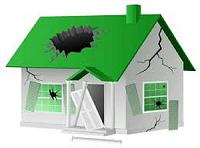
Damp and mould are among the most common and dangerous housing problems faced by tenants in rental properties. While mould growth may initially appear as small dark patches on walls or ceilings, it often signals deeper structural or ventilation problems within the property. When landlords fail to address damp and mould, tenants are left living in unhealthy and unsafe conditions that can severely affect their physical and mental wellbeing.
Damp and mould Claims problems are a recognised form of housing disrepair and frequently lead to housing disrepair claims across the UK. Tenants have the legal right to make a housing disrepair claim when landlords fail to treat damp or mould problems within a reasonable timeframe. Through a housing disrepair compensation claim or compensation claim for housing disrepair, tenants can seek financial redress for health problems, property damage, and distress. With support from experienced housing disrepair solicitors and professional housing disrepair experts, tenants can rely on the best housing disrepair solicitors to enforce their rights.
Common Causes of Damp and Mould in Rental Homes
Damp and mould typically develop due to property maintenance failures rather than tenant lifestyle. Identifying the cause is essential in establishing landlord responsibility.
Structural Causes of Damp
-
Roof leaks allowing water ingress
-
Cracked brickwork or external walls
-
Faulty guttering and drainage systems
-
Poor insulation causing condensation
Internal Causes Linked to Maintenance Failures
-
Broken ventilation systems
-
Faulty heating systems
-
Leaking pipes or plumbing defects
-
Poor window sealing allowing moisture entry
When these issues remain untreated, mould spreads rapidly throughout the property.
Health Risks Associated with Damp and Mould Exposure
Respiratory Problems
Mould releases spores into the air that can cause:
-
Asthma attacks
-
Chronic coughing and wheezing
-
Breathing difficulties
-
Lung infections
Children and elderly tenants are particularly vulnerable to mould-related respiratory conditions.
Skin and Allergy Reactions
Exposure to mould can lead to:
-
Skin irritation and rashes
-
Eye irritation
-
Persistent allergic reactions
-
Sinus infections
Mental Health Impact
Living in mould-infested housing can cause anxiety, stress, and embarrassment, especially when mould damages personal belongings or affects living spaces.
Property Damage Caused by Damp and Mould
Damp and mould not only affect health but also cause extensive damage to tenants’ possessions and the property itself.
Common Property Damage Includes
-
Rotting furniture and wooden fixtures
-
Damaged clothing and bedding
-
Peeling wallpaper and plaster
-
Electrical safety hazards caused by moisture
These losses are often considered when calculating housing disrepair compensation claims.
Landlord Legal Responsibilities for Damp and Mould
Landlords are legally required to maintain rental properties in a safe and habitable condition. Their responsibilities include:
-
Repairing structural defects causing damp
-
Ensuring proper ventilation and heating systems
-
Fixing plumbing leaks contributing to moisture
-
Preventing mould growth caused by property disrepair
Failure to meet these obligations can result in housing disrepair claims.
When Damp and Mould Become a Housing Disrepair Claim
Tenants may pursue housing disrepair claims when:
-
Damp or mould persists over time
-
The landlord has been notified of the issue
-
Repairs are delayed or ineffective
-
Health or safety is affected
Ignoring mould complaints significantly strengthens the tenant’s legal position.
Evidence Needed to Support a Damp and Mould Claim
Strong evidence improves the chances of a successful housing disrepair compensation claim.
Useful Evidence Includes
-
Photographs and videos of mould growth or damp patches
-
Copies of complaints sent to the landlord
-
Environmental or inspection reports
-
Medical records linking health issues to mould exposure
-
Receipts for damaged belongings
Housing disrepair experts often inspect properties to determine the source and severity of damp problems.
Compensation for Damp and Mould Housing Disrepair
A compensation claim for housing disrepair related to damp and mould may include:
-
Compensation for distress and inconvenience
-
Reimbursement for damaged possessions
-
Health-related compensation
-
Reduced enjoyment of the property
The amount awarded depends on severity, duration, and impact on the tenant’s health and living conditions.
Role of Housing Disrepair Experts
Housing disrepair experts play a crucial role in identifying the cause of damp and mould. Their professional assessments help confirm landlord negligence and support tenant claims.
How Housing Disrepair Solicitors Support Tenants
Housing disrepair solicitors assist tenants by:
-
Sending formal legal notices to landlords
-
Arranging independent property inspections
-
Ensuring urgent repairs are carried out
-
Negotiating fair compensation settlements
The best housing disrepair solicitors often operate on a no win, no fee basis, making legal support accessible to tenants.
Importance of Early Reporting
Tenants should report damp and mould as soon as it appears. Early reporting prevents further spread and strengthens housing disrepair claims. Keeping written communication and photographic evidence is highly recommended.
Conclusion
Damp and mould create serious health risks and unsafe living conditions that tenants should never be forced to tolerate. These problems often indicate deeper property maintenance failures that require urgent attention.
By making housing disrepair claims and pursuing a housing disrepair compensation claim, tenants can secure necessary repairs and financial redress. With assistance from housing disrepair experts and the best housing disrepair solicitors, tenants can restore safe and healthy living conditions while holding landlords accountable.