When it comes to branding and visibility, few elements make as bold a statement as Commercial Monument Signs in Chicago. These large, ground-mounted sign structures not only identify businesses but also express identity, presence, and prestige. In a city known for architectural innovation, cultural diversity, and a dynamic business landscape, Outdoor Monument Signs have become much more than navigational tools—they are essential components of visual identity that contribute to memorable first impressions.
From street-facing corporate headquarters in the Loop to retail centers along Michigan Avenue and industrial parks in the suburbs, monument signs serve as silent brand ambassadors. They welcome, inform, and impress. As design, material innovation, and lighting technologies evolve, businesses in Chicago are redefining what monument signs can be, blending utility with artistic expression.
This article explores emerging design trends shaping Commercial Monument Signs in Chicago, emphasizing materials, lighting, stylistic movement, and how companies can balance brand identity with aesthetic impact. Whether you are a property manager, business owner, designer, or sign enthusiast, understanding these trends will help you make informed decisions for long-lasting and eye-catching signage.
1. The Purpose and Impact of Outdoor Monument Signs
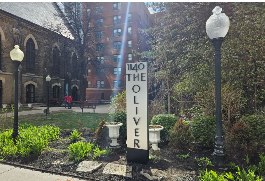
Outdoor Monument Signs in Chicago are freestanding structures typically installed near the entrance of a property, business complex, or commercial building. Unlike tall pole signs or building-mounted graphics, monument signs are anchored to the ground with a broad base, which gives them a strong presence and reinforces brand stability.
These signs serve multiple purposes:
-
Brand Identification: They instantly identify a business or complex.
-
Wayfinding: They help visitors navigate large properties.
-
Visual Appeal: With thoughtful design, they enhance curb appeal.
-
Marketing Reinforcement: They support brand visibility even when the business is closed.
In Chicago, where streets and sidewalks bear heavy foot and vehicle traffic, monument signs become critical touchpoints in the city’s visual ecosystem. The unique blend of history, modern design, and diverse industries in the area fuels signage innovation for both form and function.
A well-designed monument sign makes an architectural statement while reinforcing a company’s brand ethos. This trend has been particularly strong in contemporary commercial developments like mixed-use town centers and corporate office campuses.
2. Materials That Define Monument Sign Trends
One of the most exciting aspects of Outdoor Monument Signs today is the expansive use of materials. Gone are the days when monument signs were limited to brick or wood. Modern signs incorporate a mixture of traditional and high-tech materials that enhance durability, aesthetics, and brand messaging. Below are key material trends gaining traction in Chicago:
a. Architectural Stone and Brick
In a city celebrated for its architecture, stone and brick remain staples in monument sign construction. These materials blend naturally with urban and historic surroundings, offering a timeless look with unmatched durability.
-
Benefits: Long lifespan, classic elegance, resistant to elements.
-
Style Appeal: Pairs well with traditional and contemporary designs.
-
Applications: Corporate headquarters, institutional buildings, historic districts.
Sandstone, limestone, and granite are popular choices. These materials allow for intricate carving or inset lighting, adding depth and texture.
b. Metal Elements (Aluminum, Steel, and Corten)
Metals like aluminum and steel have become a cornerstone of modern commercial signage. Their adaptability, strength, and sleek appearance make them ideal for forward-thinking designs.
-
Aluminum: Lightweight, corrosion-resistant, easy to shape.
-
Steel: Offers industrial flair and structural rigidity.
-
Corten Steel: Weathers naturally to develop a rust-like patina for a rugged, artistic finish.
Metal signage often features routed cutouts, dimensional letters, or textured finishes. Metals pair seamlessly with lighting options, creating visually striking effects after sunset.
c. High-Performance Polymers and Composites
Newer synthetic materials, including high-density polyurethane and acrylic composites, have revolutionized sign fabrication.
-
Weather Resistance: Exceptional resistance to rain, snow, and temperature swings.
-
Customizability: Can be molded into complex shapes or layered for depth.
-
Cost Efficiency: More affordable and lighter than some traditional materials.
For businesses seeking bold shapes and intricate detail without the weight constraints of stone or metal, these materials are ideal.
d. Integrated Green Materials
Sustainability has become more than a trend—it’s an expectation. Many Chicago businesses now integrate eco-friendly or recycled materials into their monument signs.
-
Reclaimed Wood: Offers warmth and environmental appeal.
-
Recycled Metals: Reduces carbon footprint without sacrificing durability.
-
Living Walls: Integrated with greenery for natural, biophilic signage.
These materials not only express environmental commitment but also create a sensory experience that resonates with customers.
3. Lighting Trends That Illuminate Brand Identity
Lighting dramatically transforms Outdoor Monument Signs. Thoughtful illumination turns static structures into dynamic visual beacons, especially during evening hours. Today’s lighting trends blend energy efficiency with creative expression.
a. LED Illumination
LED (Light-Emitting Diode) lighting has become the gold standard for monument signs due to its longevity, energy efficiency, and versatility.
-
Benefits: Low power consumption, customizable color temperatures, long life span.
-
Styles: Backlit channel letters, edge-lit acrylic panels, halo lighting.
LED lighting enhances legibility at night while providing designers with creative flexibility. In Chicago, where winter nights are long, illuminated signs become essential brand touchpoints after dusk.
b. Halo and Backlit Effects
Halo illumination produces a glowing effect around letters or logo elements. This trend has become a favorite for premium brands seeking understated elegance.
-
Halo Lighting: Creates soft aura effects that highlight text and shapes.
-
Backlit Panels: Make logos and names stand out against a lit surface.
This modern lighting style adds depth and visual intrigue without harsh glare, making it ideal for high-end retail and corporate campuses.
c. Smart and Programmable Lighting
With technological advancements, lighting systems now offer programmable effects, color transitions, and even responsive modes based on time of day or special events.
-
Benefits: Customized visual experiences.
-
Applications: Seasonal changes, holiday themes, promotional flickers.
These programmable systems elevate monument signage into dynamic storytellers.
4. Modern Styles: Bold, Minimal, and Multidimensional
The aesthetics of Commercial Monument Signs in Chicago continue to evolve, guided by architectural trends, brand priorities, and environmental context. Let’s explore the dominant stylistic directions shaping modern signage.
a. Minimalist and Clean Lines
Minimalism thrives in an era defined by simplicity and clarity. Monument signs with clean lines, unadorned surfaces, and restrained typography reflect modern corporate aesthetics.
-
Design Traits: Neutral palettes, precise geometry, subtle lighting.
-
Brand Implication: Professionalism, clarity, and confidence.
Minimalist signs work especially well for corporate offices, financial institutions, and healthcare facilities where straightforward messaging is paramount.
b. Bold and Sculptural Forms
Contrastingly, some brands embrace monument signs as sculptural centerpieces—structures that not only inform but also engage visually.
-
Design Elements: Asymmetrical shapes, layered structures, integrated art.
-
Materials Mix: Combinations of stone, metal, and illuminated panels.
These designs transform signs into focal landmarks, especially in high-traffic urban intersections.
c. Multi-tenant and Wayfinding Solutions
Large commercial plazas and corporate parks often require monument signs that serve multi-tenant properties. These signs prioritize communication—listing businesses, directionals, and accessibility information.
-
Hierarchy of Information: Clear, easy-to-read elements.
-
Modularity: Panels that can be updated as tenant composition changes.
Multi-tenant signage blends form and function, emphasizing flexibility and visibility.
d. Architectural Integration
Today’s monument signs often mirror the architectural language of their buildings. This integration creates visual continuity across the built environment.
-
Matching Materials: Sign materials that reflect building facades.
-
Consistent Lines and Colors: Unified visual language.
This trend underscores the importance of signage as part of architectural storytelling rather than an isolated element.
5. Chicago-Specific Considerations in Monument Sign Design
Chicago’s climate, urban fabric, and regulatory environment all influence monument sign design and implementation.
a. Weather Resilience and Durability
Chicago’s weather is notoriously unpredictable—intense snowfalls, freezes, heat waves, and strong winds demand monument signs engineered to withstand extremes.
-
Material Durability: Resistance to corrosion, freeze-thaw cycles, UV exposure.
-
Structural Engineering: Proper anchoring and reinforcement against gusts.
Selecting materials and construction methods that endure these elements is essential for long-term performance.
b. Historic District Sensitivities
Many parts of Chicago fall under historic preservation guidelines. Monument signs in these areas must respect architectural heritage while presenting modern branding.
-
Guidelines Respect: Subtle lighting, traditional materials, subdued geometry.
-
Collaborative Design: Working with preservation boards and architects.
Blending contemporary identity with historic context requires sensitive design.
c. Regulatory Compliance
Chicago’s sign codes regulate height, illumination, setback, and zoning compliance for monument signs. Experienced designers ensure that Outdoor Monument Signs fulfill both creative aspirations and legal requirements.
6. Why Professional Design Matters
Designing an impactful Outdoor Monument Sign is not simply a matter of aesthetics—it involves engineering, branding strategy, material science, and regulatory compliance.
Professional sign studios offer:
-
Custom Design Solutions: Tailored to business identity and site context.
-
Engineering Expertise: Ensuring stability, longevity, and safety.
-
Permitting Assistance: Navigating Chicago’s sign codes and approvals.
-
Quality Fabrication: Using high-grade materials and lighting solutions.
-
Installation Precision: Proper placement, leveling, and integration.
In Chicago’s competitive visual landscape, top-tier signage makes all the difference. For businesses interested in tailored solutions, a reputable Sign Company in Chicago can be a partner in transforming brand presence into physical expression.
One company that exemplifies this holistic approach to monument signage is Windy City Signs and Graphics. With deep experience in crafting both traditional and contemporary signs, they specialize in material innovation, lighting integration, and design that reflects unique business identities. Whether the need is futuristic LED integration or classic stone structures, expert signage partners make the vision a reality.
Another trusted name in Chicago’s signage community is Windy City Signs and Graphics, known for blending craftsmanship with modern techniques to produce distinctive Outdoor Monument Signs that resonate with audiences.
7. Cost Factors and Investment Considerations
The cost of Commercial Monument Signs varies widely based on size, materials, lighting, and custom design choices. Major cost influencers include:
-
Material Selection: Natural stone and architectural metals cost more than basic composites.
-
Lighting Systems: LED or programmable lighting adds to cost, but significantly enhances impact.
-
Design Complexity: Custom shapes and multi-layered assemblies require more fabrication time.
-
Installation Conditions: Site preparation and foundation work influence expenses.
While monument signs involve significant upfront investment, their longevity and branding power offer lasting returns through enhanced visibility and reinforced customer perception.
8. Long-Term Maintenance and Upkeep
Even the most beautifully designed signs require periodic maintenance:
-
Lighting Checks: Ensuring LEDs and power systems function consistently.
-
Surface Care: Cleaning stone, metal, and composite surfaces to maintain appearance.
-
Structural Inspections: Checking anchors, seams, and weather seals.
A maintenance plan ensures that signage remains vibrant, functional, and aligned with evolving brand identity.
Frequently Asked Questions (FAQs)
1. What are the primary benefits of Commercial Monument Signs in Chicago?
Commercial Monument Signs provide high visibility, reinforce brand presence, guide visitors, enhance curb appeal, and create memorable first impressions in a competitive environment.
2. What materials work best for Outdoor Monument Signs in Chicago’s climate?
Materials such as architectural stone, aluminum, steel, composites, and weather-resistant polymers perform well against snow, rain, temperature changes, and urban conditions.
3. How does lighting enhance monument sign design?
Lighting increases legibility at night, adds aesthetic depth, and reinforces brand identity. Modern LED systems and halo/edge lit effects offer energy-efficient illumination with design versatility.
4. Are monument signs suitable for multi-tenant properties?
Yes, multi-tenant monument signs are designed with modular panels and clear information hierarchy to display multiple business names while maintaining readability and aesthetic balance.
5. Do I need permits to install a monument sign in Chicago?
Yes, most monument signs require permits that comply with Chicago’s zoning and sign codes. Professional sign designers and fabricators help navigate the approval process.
6. What is the typical lifespan of a high-quality monument sign?
With proper materials and maintenance, monument signs can last decades—often 10–25 years or more—making them long-term brand investments.
7. Can illuminated monument signs be energy-efficient?
Absolutely. LED lighting systems offer low power usage, long lifespans, and programmable controls, making them both effective and energy-efficient.
Conclusion
In the vibrant business landscape of Chicago, Outdoor Monument Signs are indispensable visual assets. They combine brand storytelling with functional navigation and architectural presence. As design trends evolve, today’s monument signs reflect innovative materials, intelligent lighting, stylistic diversity, and site-specific sensitivity.
From minimalist corporate installations to sculptural statement pieces, from programmable LED lighting to eco-friendly materials, the landscape of Commercial Monument Signs in Chicago continues to surge forward. With thoughtful design, skilled craftsmanship, and strategic planning, monument signs become more than identifiers—they become landmarks of brand experience, welcoming audiences and amplifying presence in one of America’s most visually dynamic cities.