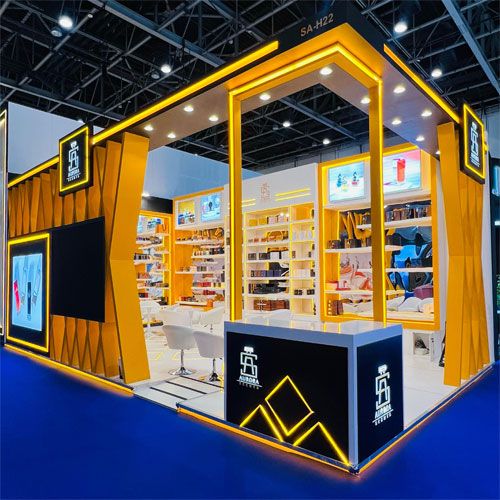
Düsseldorf is one of Europe’s most dynamic trade fair cities, hosting globally recognized events across industries such as fashion, healthcare, manufacturing, technology, and retail. Each year, thousands of exhibitors compete for attention in vast exhibition halls where visitors are exposed to countless brands, displays, and experiences within a limited timeframe. In this highly competitive environment, designing exhibition stands that prioritize the needs, behaviors, and expectations of visitors has become more important than ever. A visitor-centric approach moves beyond traditional booth aesthetics and brand promotion, focusing instead on how people experience, navigate, and interact with the space. In the context of Düsseldorf’s fast-paced trade fairs, this mindset shapes everything from layout and lighting to technology, accessibility, and sustainability. By placing the visitor at the center of design decisions, exhibitors can create more meaningful, engaging, and memorable interactions that benefit both the audience and the brand. This is where the role of an Exhibition Stand Builder in Düsseldorf becomes particularly significant, as they help translate visitor-focused concepts into practical, well-structured, and functional exhibition spaces.
Understanding Visitor-Centric Design
Visitor-centric stand design is rooted in empathy and observation. Instead of asking, “How can we showcase our brand?” designers begin by asking, “How will visitors move, feel, and behave in this space?” Trade fair visitors in Düsseldorf usually follow busy itineraries, covering long distances across halls, attending sessions, and meeting several exhibitors in one day. This means that stands must be visually inviting from a distance, easy to approach, and simple to navigate once inside. A visitor-centric design reduces confusion, eliminates unnecessary barriers, and ensures that the flow of movement feels natural rather than forced.
One of the key aspects of this approach is spatial planning. A well-designed stand avoids overcrowded layouts and instead offers clear pathways, open sightlines, and intuitive zones for different activities such as product demonstrations, discussions, or hands-on experiences. This allows visitors to engage at their own pace without feeling rushed or overwhelmed.
The Role of Context: Düsseldorf’s Trade Fair Culture
Düsseldorf’s trade fairs are known for their scale, professionalism, and international audience. Events like MEDICA, boot Düsseldorf, and EuroShop attract visitors from around the world, bringing diverse cultural expectations and preferences. A visitor-centric stand must therefore be adaptable and inclusive. Design elements such as multilingual signage, culturally neutral visuals, and universally understandable symbols can make a stand more welcoming to a global audience.
Additionally, Düsseldorf’s modern exhibition infrastructure, including Messe Düsseldorf’s spacious halls and advanced facilities, allows for innovative stand designs that integrate digital elements, interactive displays, and immersive environments. Visitor-centric designers take advantage of these opportunities while ensuring that technology serves a clear purpose rather than acting as a distraction.
Designing for Engagement and Interaction
Engagement is a core principle of visitor-centric design. Rather than passively displaying products behind glass cases, modern exhibition stands encourage participation. Interactive screens, touch-based demonstrations, virtual reality experiences, and live presentations invite visitors to actively engage rather than simply observe. However, successful engagement requires balance. Overly complex technology can frustrate visitors, while too little interaction may fail to capture interest.
In Düsseldorf’s busy trade fair environment, short, meaningful interactions often work best. Clear storytelling, concise demonstrations, and hands-on experiences tailored to visitor interests help create stronger connections. Designers also consider sensory elements such as lighting, sound, and texture to create a comfortable and immersive atmosphere that aligns with the visitor’s emotional experience.
Accessibility and Inclusivity
A truly visitor-centric exhibition stand is accessible to everyone. This includes designing for people with different physical abilities, ages, and levels of familiarity with the industry. Ramps, wider aisles, seating areas, and readable text sizes ensure that visitors with mobility challenges or visual impairments can navigate the space comfortably.
Inclusivity also extends to cognitive accessibility. Information should be presented clearly, avoiding overly technical jargon unless the audience specifically expects it. Visual storytelling through infographics, icons, and demonstrations can make complex concepts easier to understand for a broader audience.
Sustainability and Visitor Perception
Sustainability has become a growing concern among trade fair visitors, particularly in cities like Düsseldorf that emphasize innovation and environmental responsibility. Visitor-centric stand design increasingly incorporates eco-friendly materials, modular structures, and reusable elements. Many visitors appreciate exhibitors who demonstrate a commitment to sustainability through their stand design, viewing it as a reflection of the company’s values.
Using recycled materials, energy-efficient lighting, and digital brochures instead of printed paper not only reduces environmental impact but also enhances the visitor experience by presenting a modern and responsible image. This aligns well with the expectations of contemporary trade fair audiences.
The Human Element: Staff and Interaction
No matter how well-designed a stand is, the experience ultimately depends on human interaction. Visitor-centric design considers how staff members move within the space, where they stand, and how they engage with attendees. Well-trained, approachable staff who listen to visitors rather than aggressively promoting products contribute significantly to a positive experience.
Design elements such as open discussion areas, informal seating, and clear meeting zones help facilitate natural conversations. This encourages visitors to feel comfortable asking questions, sharing opinions, and spending more time at the stand.
Measuring Success from a Visitor Perspective
Evaluating the effectiveness of a visitor-centric stand goes beyond counting leads or sales. It involves assessing how visitors experienced the space. Did they feel welcome? Was the layout easy to navigate? Did the design hold their attention? Gathering feedback through surveys, digital engagement metrics, or observational studies can provide valuable insights for future improvements.
In Düsseldorf’s competitive trade fair landscape, continuous refinement based on visitor behavior and preferences helps exhibitors stay relevant and impactful.
Conclusion
Designing visitor-centric exhibition stands for Düsseldorf trade fairs requires a thoughtful balance of creativity, functionality, empathy, and practicality. It involves understanding the unique environment of Messe Düsseldorf, the diverse needs of an international audience, and the evolving expectations of modern trade fair visitors. By prioritizing clear spatial planning, meaningful engagement, accessibility, sustainability, and human interaction, exhibitors can create stands that do more than display products—they create experiences that resonate. Ultimately, a visitor-centric approach transforms exhibition spaces into platforms for dialogue, learning, and connection rather than mere promotional showcases. This holistic perspective is increasingly shaping how professionals in the industry think about exhibition design, and it continues to influence how stands are conceptualized and built by an Exhibition Stand Builder in Germany, ensuring that visitor experience remains at the heart of every successful trade fair presence.