Tooth pain can disrupt daily life, affecting eating, sleep, and overall comfort. When pain is caused by deep infection or nerve damage inside a tooth, root canal therapy becomes the most effective way to save the natural tooth and eliminate discomfort. Understanding how the procedure works helps patients feel confident and informed before treatment. This guide offers a detailed, patient-friendly explanation of root canal therapy in Murphy, including when it is needed, how it is performed, and what recovery looks like.
What is Root Canal Therapy?
Root canal therapy is a dental procedure designed to remove infected or damaged pulp from inside a tooth. The pulp contains nerves and blood vessels that can become inflamed due to decay, cracks, trauma, or repeated dental procedures. Once infected, the pulp cannot heal on its own and must be removed to prevent the spread of infection. The goal of root canal treatment is to preserve the natural tooth structure while relieving pain and restoring normal function.
Why Root Canal Treatment Becomes Necessary?
A published clinical study found that root canal therapy effectively eliminated pulpal infection and significantly reduced pain, with high tooth survival rates observed during follow-up. Many patients delay treatment because pain comes and goes. However, infection inside the tooth continues to progress even if symptoms temporarily fade. Common reasons for needing root canal treatment in Murphy include:
- Deep tooth decay reaching the nerve
- Cracked or fractured teeth
- Severe tooth sensitivity to heat or cold
- Persistent throbbing or pressure
- Swelling around the gums or jaw
Ignoring these signs can lead to abscess formation, bone damage, and eventual tooth loss.
Step-by-Step Process of Root Canal Therapy
Following is the step by step process of root canal therapy:
1. Diagnosis and Imaging
The dentist examines the tooth and takes X-rays to assess the extent of infection and root structure. Accurate diagnosis helps in proper treatment planning.
2. Local Anesthesia
The area around the tooth is numbed completely, making the procedure comfortable. Most patients report feeling pressure, not pain.
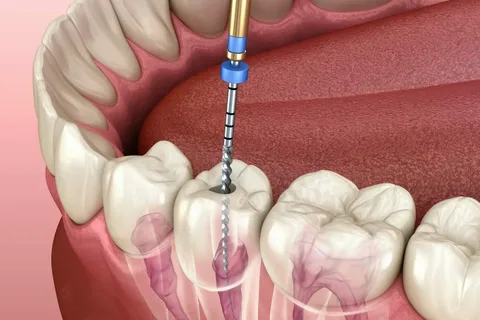
3. Pulp Removal and Cleaning
An access opening is created, and infected pulp tissue is removed. The canals are carefully cleaned, disinfected, and shaped to prevent reinfection.
4. Canal Filling and Sealing
The cleaned canals are filled with a biocompatible material to seal them securely and protect against bacteria.
5. Tooth Restoration
A dental crown is often placed afterward to restore strength, function, and appearance. This step is crucial for long-term success.
6. Recovery and Aftercare
After treatment:
- Mild sensitivity may occur for a few days
- Normal eating can resume once numbness wears off
- Avoid chewing hard foods until the crown is placed
- Maintain good oral hygiene
Is Root Canal Therapy Painful?
A common misconception is that root canals cause pain. In reality, the procedure relieves pain caused by infection. Modern techniques and anesthesia make treatment highly comfortable. Post-treatment soreness is mild and usually resolves within a few days.
Importance of Choosing the Right Specialist
For complex infections or multi-rooted teeth, specialized care may be recommended. A root canal dentist in Murphy with experience in endodontic procedures supports precise treatment, reduces complications, and improves long-term outcomes. Patients requiring advanced care often benefit from professional endodontic services in Murphy, where specialized equipment and expertise allow for efficient, accurate treatment.
Benefits of Root Canal Therapy
Following are the benefits of root canal therapy:
- Preserves natural teeth
- Eliminates infection and pain
- Prevents tooth extraction
- Maintains chewing efficiency
- Protects jawbone health
When performed properly, root canal therapy in Murphy allows patients to keep their natural teeth for many years with normal function and appearance.
When to Seek Immediate Care
Contact a dental professional if you experience:
- Increasing pain after treatment
- Swelling that worsens
- Fever or signs of infection
- Cracked or loose temporary filling
Prompt care prevents complications and protects the treated tooth.
Conclusion
Root canal therapy is a safe, effective solution for saving infected teeth and restoring oral health. With early diagnosis, expert care, and proper restoration, patients can avoid extractions and maintain a strong, healthy smile. Choosing an experienced provider often considered the best endodontic in Murphy plays a vital role in achieving long-lasting results and peace of mind.
Frequently Asked Questions (FAQs)
How long does a root canal procedure take?
Most treatments are completed in one to two visits, depending on the tooth and severity of infection.
Will I need a crown after a root canal?
In most cases, yes. A crown strengthens the tooth and prevents fractures after treatment.
How long does a root canal-treated tooth last?
With proper care and restoration, the tooth can last a lifetime.
Is tooth extraction better than a root canal?
Saving the natural tooth is always preferred. Root canal therapy maintains normal bite function and prevents bone loss.
Can infection return after a root canal?
Reinfection is rare but possible if the tooth is not properly sealed or restored. Regular dental visits reduce this risk.