In today’s rapidly evolving digital ecosystem, businesses must embrace technological innovations to remain competitive and future-ready. One such transformative solution is the digital signature online. As organizations prioritize efficiency, security, and regulatory compliance, digital signatures have become indispensable. They streamline operations, safeguard document integrity, cut costs, and enhance overall productivity.
This article explores how digital signatures online are redefining business workflows, their advantages, security features, industry applications, legal standing, and their critical role in the ongoing digital transformation of enterprises.
Understanding Digital Signatures Online
A digital signature is a secure, encrypted electronic method for authenticating documents, ensuring their validity and preventing tampering. Unlike traditional handwritten signatures, digital signatures rely on cryptographic technology, providing a robust defense against fraud and unauthorized alterations.
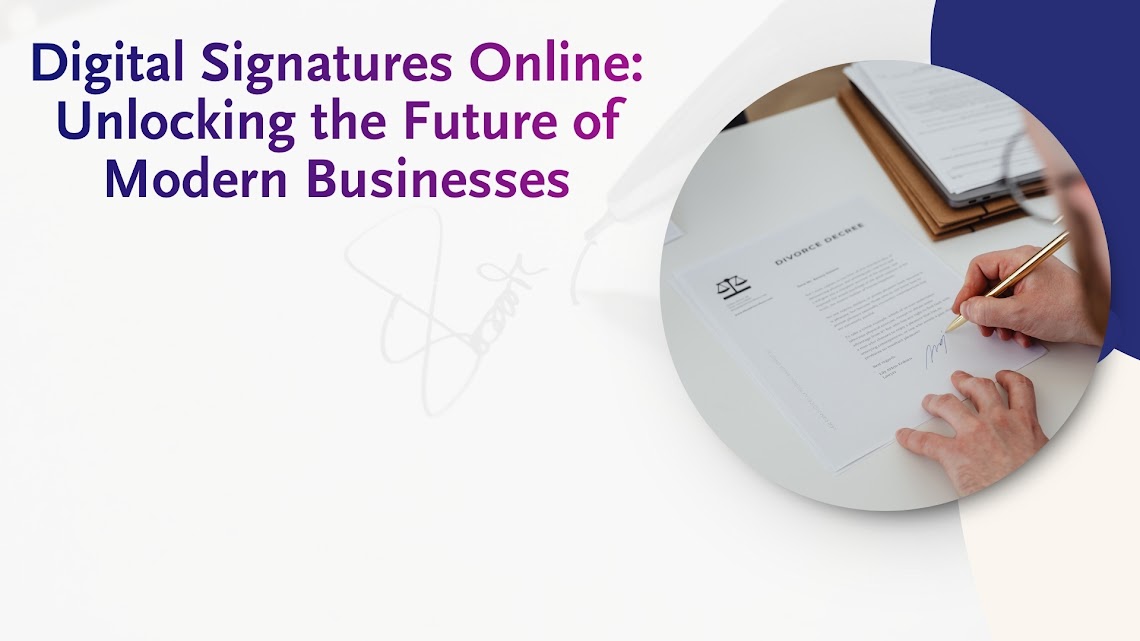
With digital signatures online, businesses can sign and exchange documents electronically in real-time. This eliminates the need for physical paperwork, allowing contracts, agreements, and other important documents to be executed remotely while maintaining a high level of security and compliance.
Why Digital Signatures Are Crucial for Future-Ready Businesses
1. Boosting Operational Efficiency
Digital signatures reduce reliance on manual paperwork, speeding up approvals and contract processing.
- Employees and stakeholders can sign documents from anywhere, enabling faster decision-making.
- Automated tracking systems allow businesses to monitor document status in real time.
2. Advanced Security Features
Digital signatures use encryption and cryptographic hashing to protect documents from forgery and unauthorized changes.
- Multi-factor authentication (MFA) and biometric verification further enhance security.
- These technologies ensure that sensitive data remains safe across digital platforms.
3. Legal Validity and Compliance
Digital signatures comply with international e-signature regulations, including:
- eIDAS (Europe)
- ESIGN Act (USA)
- Information Technology Act, 2000 (India)
- UNCITRAL Model Law on Electronic Signatures
Legally recognized in courts and regulatory audits, digital signatures provide a reliable solution for binding contracts and agreements.
4. Cost Savings and Sustainability
By going digital, businesses can save on paper, printing, postage, and storage costs.
- Reduces carbon footprint and supports environmentally sustainable practices.
- Aligns with corporate social responsibility (CSR) goals and eco-friendly initiatives.
5. Seamless Remote Work Enablement
Digital signatures integrate effortlessly with cloud platforms, enabling employees and clients to sign documents from anywhere.
- Supports hybrid and remote work models.
- Ensures business continuity without the need for physical presence.
Industry Applications of Digital Signatures
1. Banking and Finance
- Streamlines loan approvals, KYC processes, and account openings.
- Secures financial transactions and reduces paperwork for banking operations.
2. Legal Sector
- Lawyers and law firms can sign contracts, affidavits, and court documents digitally.
- Ensures compliance with legal frameworks and maintains admissibility in courts.
3. Healthcare
- Hospitals and clinics use digital signatures for patient consent forms and electronic prescriptions.
- Protects confidential data and reduces errors in medical documentation.
4. Government and Public Sector
- Supports e-governance, secure document exchange, and citizen verification.
- Facilitates online tax filings, business registrations, and public tenders.
5. Education and E-Learning
- Enables online admissions, degree verification, and certification issuance.
- Simplifies academic collaborations and remote approvals.
6. E-Commerce and Retail
- Secures supplier agreements and online transactions.
- Improves order verification, digital invoicing, and contract management.
Key Security Features of Digital Signatures
- Encryption and Cryptography
- Public Key Infrastructure (PKI) ensures signatures are secure and non-forgeable.
- Hashing algorithms verify document integrity.
- Multi-Factor Authentication (MFA)
- OTPs, biometrics, and passwords enhance access security.
- Two-factor authentication (2FA) reduces unauthorized access risks.
- Tamper-Proof Digital Certificates
- Validate the authenticity of the signer.
- Any document modifications automatically invalidate the signature.
- Audit Trails and Monitoring
- Detailed logs track signing activities.
- Ensures transparency, accountability, and regulatory compliance.
Steps to Implement Digital Signatures Online
- Visit the Provider Website
Begin the registration process. - Fill in Details
- Select user type: individual or organization
- Choose certificate type: signing only or signing + encryption
- Specify validity duration and personal details
- Agree to terms and submit
- Select Token Option
- Use an existing USB token or request a new one
- Make Payment
- Complete payment via net banking, UPI, credit, or debit card
- Verify Information
- Review all details and submit for processing
- Receive Digital Signature
- Delivered via USB token or secure online download
The Future of Digital Signatures
Digital signatures are evolving with emerging technologies:
- Blockchain Smart Contracts: Automate contract execution with enhanced security.
- AI-Based Identity Verification: Strengthens authentication using advanced biometrics.
- IoT and Cloud Integration: Enables signing across interconnected devices.
- Zero Trust Security Models: Implements stricter access control to prevent cyber threats.
Suggested read:- Digital Signature Certificate for Income Tax
Conclusion
Digital signatures online are no longer optional—they are essential for modern, future-ready businesses. From boosting efficiency and security to ensuring legal compliance and reducing costs, they empower organizations to operate seamlessly in a digital-first world.
By adopting digital signatures, businesses accelerate digital transformation, enhance trust, and position themselves for long-term success in a connected, paperless, and secure business environment.