Asian hair has unique traits that make hairstyling more effective when it is customized. This blog is written in a simple way so you can easily understand, but it is packed with real, helpful information adults can use. We will talk about how Asian hair is different, why generic haircuts might not always work, and why customization matters in 2026.
Asian hair looks and feels different from other hair types. Many people with Asian hair have thick, strong strands. The texture might be straight or slightly wavy. Some people have fine hair that still feels heavy because there are many strands. This means that standard haircuts made for other hair types might not give the best result. When hairstyling is customized, it fits your hair’s natural pattern. A good hairstyle can be easier to manage and give you the look you want without extra work every day.
What Makes Asian Hair Special
Asian hair has certain things about it that make customization helpful.
1. Thickness and Density
Most Asian hair is thick and full. This means a lot of hair in each spot on your head. If a haircut doesn’t consider this, the hair can look too heavy or flat. A customized haircut thins the hair in the right places without losing shape.
2. Straight or Slight Wave Pattern
Asian hair is often very straight. This makes it shine and look smooth. But Asian Straight Hair can also fall flat without volume. Traditional cuts might not add lift or movement. A customized style uses layers or texturing so the hair feels lighter and looks more dynamic.
3. Strong Hair Strand
The hair strand itself is usually strong. This is good for styling tools like blow dryers and straighteners. But strong hair also means certain styles might stick out or not fall how you want them. A stylist who knows Asian hair can shape it so it behaves the way you like.
Why Generic Haircuts Don’t Always Work
A generic haircut is one based on common ideas of style, not on your actual hair type. These haircuts are often designed with hair that behaves differently than Asian hair.
1. Doesn’t Match Natural Growth Patterns
Every head has a pattern where hair grows in a certain direction. Asian hair often grows down and straight. A generic cut might not think about this, so hair could stick up or not lie properly.
2. Too Thick Without Movement
If your hair is cut without removing weight in smart ways, it can look heavy or boxy. This means it doesn’t move or flow. Customized styling removes weight in places that help hair move naturally.
3. Unsuitable for Your Face Shape
Haircuts should also match your face shape. Generic cuts assume a one‑size‑fits‑all approach. But shoulders, forehead size, jaw angle, and cheek shape all affect how a style looks on you. Custom styles make you look balanced.
What Customized Hairstyling Means in 2026
In 2026, hairstyling has improved with new tools and knowledge. Stylists are trained better about different hair types, and Asian hair has gotten more attention. Customized hairstyling means a stylist looks at your hair’s natural thickness, growth pattern, face shape, and how you like to style your hair each day.
1. Personalized Consultation
The first step is always a talk with your stylist. They check how your hair grows, where it is thick or thin, and where it tends to stand up or lie flat. They ask how you wash, dry, and style your hair at home. This helps them make a plan that works with your daily routine.
2. Smart Cutting Techniques
Stylists use techniques like point cutting, slide cutting, layering, and texturing to make shapes that fit your hair. For Asian hair, this often means reducing bulk without losing a defined outline. These cuts help hair look balanced and feel lighter.
3. Styling That Fits Your Life
Your hair is styled in a way that matches your schedule. If you prefer low maintenance, the stylist gives you a cut that looks good with air drying or quick blow drying. If you like a more styled look, they show you how to use tools and products in simple steps.
Common Customized Hairstyles for Asian Hair
Here are some styles that often work well when they are customized.
1. Layered Medium Cut
This cut adds movement and volume. Layers help thick hair fall naturally instead of being flat. It works well for people who like to keep hair at shoulder length.
2. Textured Short Cut
Short hair with texture is great for busy people. The stylist uses small cuts to remove bulk and make hair lively. This style can look neat without much product.
3. Undercut with Long Top
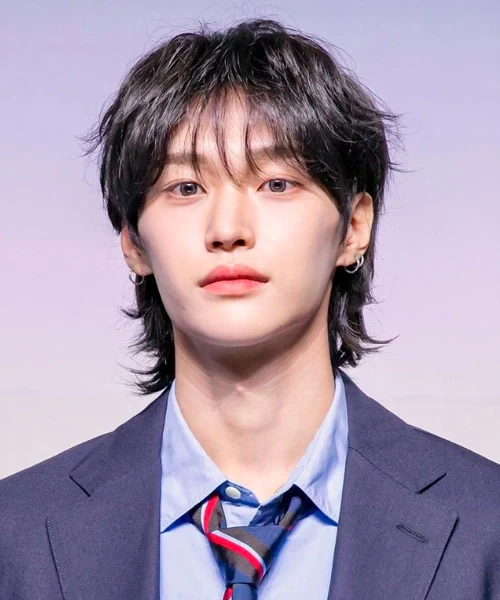
The sides are trimmed shorter while the top stays longer. This gives contrast and shape. The long top can be styled up or down, and the undercut makes it lighter and cooler.
4. Long Waves with Shape
If your hair is slightly wavy or you want waves, adding shape keeps hair from looking too wide or heavy. The stylist cuts so waves fall nicely around your face.
How to Tell If Your Hairstyle Needs Customization
You might want a customized style if you notice these things:
- Your hair always looks flat at the roots.
- Hair sticks out in places and refuses to lie down.
- You spend too much time styling every morning.
- Hair looks heavy even when freshly cut.
- A standard haircut didn’t look like the picture you showed.
Custom styling helps fix these problems by shaping hair to fit how it naturally behaves.
What Stylists Look for With Asian Hair
A good stylist uses certain checks to design your cut:
1. Growth Direction
They see how hair grows toward your forehead, around your ears, and at the back. This helps them cut in ways that let hair lie smoothly.
2. Density and Strand Thickness
They feel how thick your hair is and how many strands are present. This tells them where to remove weight and where to preserve volume.
3. Face Shape
They shape hair so your features are balanced. For example, someone with a wide face might have layers that soften the sides. Someone with a long face might get styles that add width on top.
4. Lifestyle
Your daily routine matters. If you don’t like using many tools or products, the cut will be simple and low effort. If you love styling, they give you options that show off texture and movement.
Simple Hair Care Tips for Asian Hair in 2026
Customized cuts are just one part. Good care keeps hair healthy and styles sharp.
1. Shampoo and Conditioner
Use products for your hair type. If your hair is thick and dry, use a moisturizing shampoo and conditioner. If it gets oily quickly, use a lighter formula.
2. Gentle Drying
Pat hair dry instead of rubbing. Rubbing roughs up the surface and can make hair stand up.
3. Brush With Direction
Brush hair the way it grows. This helps keep natural patterns smooth.
4. Light Styling Products
Use light creams or sprays that help shape hair without weight. Heavy gels or wax can make thick hair look flat or stiff.
How to Prepare for Your Next Hair Appointment
Before you go to the salon:
- Think about how you like your hair to feel and look.
- Bring photos from different angles.
- Be ready to explain how much time you spend styling daily.
- Ask your stylist about techniques they use for Asian hair.
A good stylist will talk with you and help design a cut that fits your hair and life.
Why Customized Styling Matters More Now
By 2026, more people know that one haircut does not fit all. Asian hair has special needs because of its thickness, strength, and growth patterns. Today’s Haircut professionals are trained to work with these traits, using modern techniques that give results you can live with every day. Customized styling saves time, gives a natural look, and feels easier to manage.