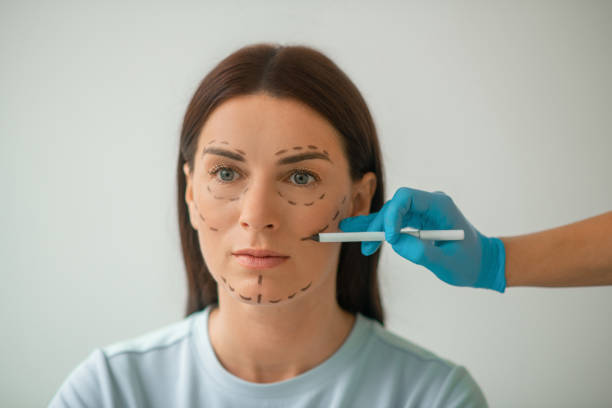
When considering facial rejuvenation, many people wonder whether a facelift can also improve the appearance of the neck. The neck is often one of the first areas to show signs of aging, including sagging skin, muscle banding, and loss of definition along the jawline. Modern Facelift Abu Dhabi techniques frequently address both the face and neck, creating a harmonious, youthful contour.
The relationship between the face and neck is critical in achieving natural results. A lifted face without attention to the neck can appear disproportionate, while combining neck and facial rejuvenation produces a smoother, more balanced appearance.
How Aging Affects the Neck
As we age, the skin on the neck loses elasticity and firmness, and the underlying muscles, known as the platysma, may separate or form vertical bands. Fat may accumulate beneath the chin, and the jawline can lose definition, creating a sagging or “turkey neck” appearance.
These changes are often linked to facial aging, as tissues around the jawline descend and affect the overall harmony between the face and neck. A facelift can indirectly or directly address these changes depending on the technique used.
Facelift Techniques That Improve Neck Contours
Modern facelift techniques often include procedures that lift and tighten tissues in the lower face and neck. These approaches can vary in invasiveness, from subtle adjustments along the jawline to comprehensive lifting of deeper structures.
Techniques such as SMAS lifts and deep plane facelifts reposition underlying muscles and connective tissues, which support the neck area. By lifting these foundational layers, the neck appears firmer, smoother, and more proportionate to the rejuvenated face.
Direct Neck Lifting During a Facelift
Many facelifts incorporate direct neck lifting, either by tightening the platysma muscles or removing excess skin and fat beneath the chin. This approach addresses horizontal and vertical neck lines, sagging skin, and loss of jawline definition.
Direct attention to the neck ensures that improvements in the lower face are complemented by a refined, youthful neck contour. This combination avoids the appearance of an “unbalanced” lift where the face looks rejuvenated but the neck remains lax.
Minimally Invasive Neck Improvements
For individuals with early signs of neck aging or mild sagging, minimally invasive facelift variations, such as mini lifts or short-scar techniques, can subtly improve neck appearance. These procedures often tighten the jawline and upper neck region without extensive incisions, providing a refreshed look with shorter recovery.
Thread lifts or energy-based skin tightening may also be used in conjunction with a facelift to refine neck contours, enhance skin firmness, and smooth minor sagging. While these methods are less dramatic than a full surgical neck lift, they complement facial rejuvenation effectively.
Factors Affecting Neck Results
The extent to which a facelift improves the neck depends on several factors, including:
-
Degree of Sagging: More pronounced sagging may require deeper lifting or additional procedures to achieve optimal contour.
-
Skin Quality: Elastic, firm skin responds better to lifting and adapts more naturally to the new structure.
-
Muscle Tone: Tightening the platysma muscle layer enhances the neck’s appearance.
-
Combination Techniques: Using complementary methods, such as fat repositioning or non-surgical tightening, can enhance neck rejuvenation.
Tailoring the approach to individual anatomy ensures that the neck appears harmonious with the rejuvenated face.
Timeline for Seeing Neck Improvements
Immediate improvements in the neck are often visible after surgery, particularly in the definition of the jawline and reduction of sagging. Swelling and bruising may initially obscure finer details, but as the tissues settle over several weeks, the neck’s contours become more refined.
Over the following months, gradual tissue remodeling enhances firmness, smoothness, and natural appearance. Final results typically emerge around six months post-procedure, revealing a youthful neck that complements the lifted face.
Frequently Asked Questions About Facelifts and Neck Appearance
Does every facelift improve the neck?
Most facelifts address the lower face, which indirectly affects the neck. For more dramatic neck improvements, techniques that tighten underlying muscles and remove excess skin may be included.
What neck areas are improved by a facelift?
The jawline, upper neck, and areas with sagging or banding typically show the most noticeable improvement.
Can minimally invasive facelifts help the neck?
Yes, mini lifts or thread-assisted facelifts can provide subtle jawline and upper neck tightening for mild sagging.
How long until neck results are fully visible?
While improvements are noticeable within weeks, final results usually appear over several months as swelling resolves and tissues settle.
Can a facelift replace a full neck lift?
In many cases, a facelift combined with muscle tightening and skin redraping sufficiently improves the neck. More advanced sagging may benefit from a dedicated neck lift, often performed alongside a facelift.