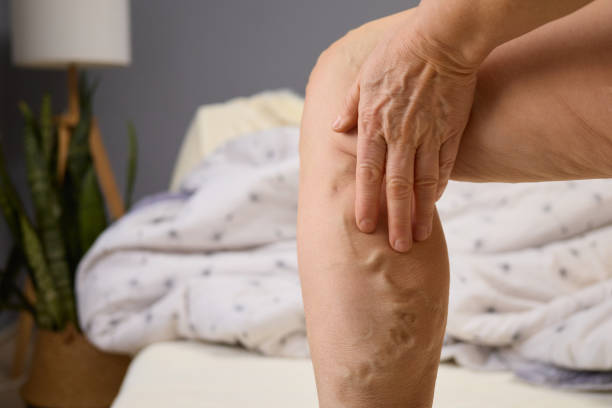
Varicose veins are enlarged, twisted veins that often appear on the legs and ankles. They can cause discomfort, swelling, and an unsightly appearance, prompting many individuals to seek treatment. Varicose Veins Treatment in Abu Dhabi offers various options aimed at alleviating symptoms and improving appearance. With advancements in medical technology, many procedures are minimally invasive and designed to provide effective results without significant scarring.
Types of Varicose Veins Treatments Available
Minimally Invasive Procedures
Most treatments for varicose veins are now minimally invasive, reducing recovery time and minimizing visible marks. These procedures typically involve small incisions or punctures, which are less likely to leave prominent scars.
Endovenous Laser Therapy (EVLT)
Endovenous laser therapy uses laser energy delivered through a thin catheter inserted into the affected vein. This procedure causes the vein to collapse and eventually be reabsorbed by the body. Since it involves small entry points, the likelihood of scarring is minimal.
Radiofrequency Ablation
Similar to EVLT, radiofrequency ablation uses heat generated by radiofrequency energy to close off damaged veins. The procedure is performed through tiny incisions, often resulting in no visible scars.
Sclerotherapy
In sclerotherapy, a solution is injected into the affected veins, causing them to scar and close. This method is effective for smaller veins and usually does not leave scars, as the injections are minimally invasive.
Venous Stripping and Phlebectomy
For more severe cases, traditional venous stripping or phlebectomy may be considered. These involve making small incisions along the vein to remove or tie off the damaged veins. While these procedures can leave tiny scars, they are often well-concealed and fade over time.
Will Treatment Leave Visible Scars?
Minimal Scarring with Modern Techniques
Most modern treatments for varicose veins, including Varicose Veins Treatment in Abu Dhabi, are designed to be minimally invasive, leading to little or no scarring. Techniques such as EVLT, radiofrequency ablation, and sclerotherapy usually involve small punctures or injections, which heal quickly and leave minimal marks.
Factors Influencing Scar Formation
The extent of scarring can depend on several factors including individual skin type, the severity of veins, and the specific procedure performed. In general, the smaller the incisions or punctures, the less noticeable the scars will be.
Scar Care and Healing Process
Proper post-procedure care can significantly influence scar appearance. Keeping the area clean, avoiding excessive sun exposure, and following any recommended skin care routines can help ensure minimal scarring. Over time, any small scars tend to fade and become less noticeable.
Benefits of Minimally Invasive Procedures
- Quick recovery times
- Less discomfort
- Reduced risk of visible scarring
- Short procedure durations
- Less downtime from daily activities
Common Concerns About Scarring
Are Scars Permanent?
In most cases, scars associated with modern varicose vein treatments tend to fade over time and become less noticeable. Complete disappearance may depend on individual healing processes and skin type.
Can Scars Be Prevented?
While some scarring is inevitable with any procedure involving skin entry points, choosing minimally invasive techniques and following aftercare instructions can greatly reduce their visibility.
Do All Treatments Leave Scars?
Not all treatments leave scars. Procedures like sclerotherapy typically do not leave any visible marks, while more invasive methods like venous stripping may result in small scars that are generally well-concealed.
FAQs About Varicose Veins Treatment and Scarring
Is scarring inevitable after varicose veins treatment?
No, modern minimally invasive procedures are designed to minimize or eliminate visible scarring. The likelihood of scars depends on the specific treatment and individual healing.
How long does it take for scars to fade?
Most scars fade significantly within a few months after the procedure. Proper aftercare and skin care routines can accelerate this process.
Are there any treatments that leave no scars at all?
Yes, procedures like sclerotherapy generally do not leave scars since they involve injections rather than incisions.
What can be done to reduce scarring after treatment?
Following the healthcare provider’s aftercare instructions, keeping the area clean, avoiding excessive sun exposure, and using recommended skin care products can help reduce scar visibility.
Do scars affect the success of the treatment?
Scar formation does not typically impact the effectiveness of the treatment. The primary goal is to eliminate or reduce the appearance of varicose veins, and scarring is usually minimal or temporary.
Conclusion
Varicose Veins Treatment in Abu Dhabi offers effective solutions that are designed to be minimally invasive, which means most procedures leave minimal to no scars. Advances in medical technology have made it possible to address vein issues efficiently while preserving the skin’s appearance. Patients can generally expect quick recovery times, minimal discomfort, and results that improve both the health and look of their legs. With proper care and attention, scars, if any, tend to fade over time, leaving individuals with improved confidence and comfort.
READ MORE : Who Is the Right Candidate for Varicose Veins Treatment ?