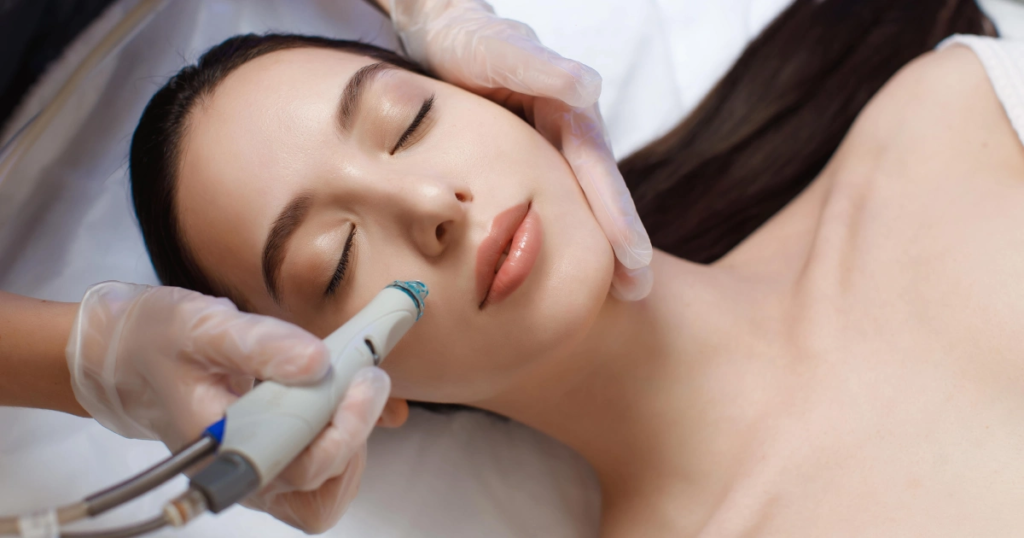
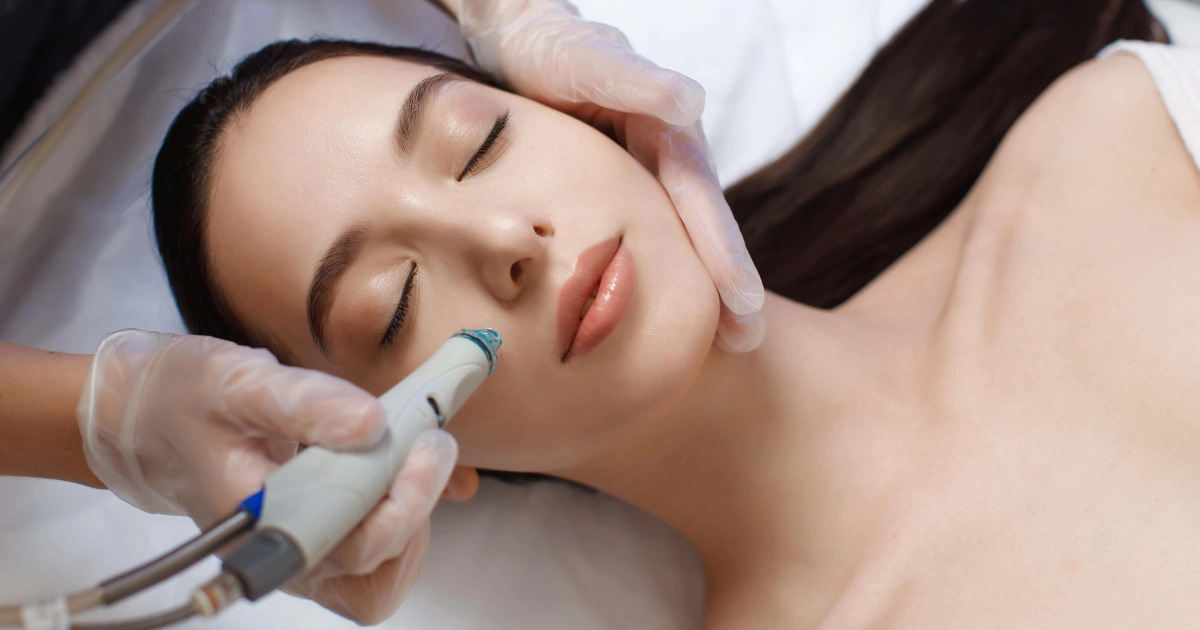
Melasma Treatment in Abu Dhabi is designed to reduce dark pigmentation and even out skin tone. Because these treatments often involve active ingredients or professional procedures, a common concern among patients is whether they can lead to side effects or skin irritation. Understanding how treatments interact with the skin helps patients manage expectations and take appropriate precautions.
Skin Sensitivity and Reaction
The skin in areas affected by melasma can be more sensitive than normal skin. Treatments—whether topical creams or professional procedures—interact with skin cells to reduce melanin production or remove pigmented layers. This interaction can sometimes cause temporary redness, warmth, or mild irritation. The intensity depends on the type of treatment, concentration of active ingredients, and individual skin sensitivity.
Topical Treatments
Topical creams are among the most commonly used approaches for melasma. They work gradually by inhibiting melanin production and promoting skin renewal. Some creams may contain ingredients that increase skin sensitivity to external factors like sunlight or harsh environmental conditions. Proper application and adherence to usage instructions are key to minimizing any irritation.
Professional Treatments
Professional procedures, such as chemical peels, microneedling, and light-based therapies, aim to target both superficial and deeper pigmentation. These treatments actively work on the skin to break down pigment and stimulate regeneration. Because they involve more intensive intervention than creams, patients may experience temporary redness, mild stinging, or heightened sensitivity immediately after the procedure. These responses are generally short-lived and tend to resolve as the skin recovers.
Managing Skin Comfort
To ensure comfort and minimize irritation during treatment:
-
Following recommended guidelines for application and timing is essential.
-
Using gentle cleansers and moisturizers can help maintain the skin barrier.
-
Protecting the skin from sun exposure is critical, as UV rays can worsen pigmentation and stress sensitive skin.
By supporting the skin with protective measures, patients can reduce discomfort while maximizing the effectiveness of treatment.
Monitoring Skin During Treatment
Careful observation of how the skin responds to treatment is important. Changes in pigmentation, texture, or sensitivity provide useful information for adjusting treatment frequency or intensity. Monitoring allows for personalized adjustments to ensure that the skin tolerates the therapy effectively.
FAQs About Melasma Treatment and Irritation
Can melasma treatments make the skin red or inflamed?
Temporary redness or warmth can occur, especially after professional treatments, but it usually resolves within a few hours to days.
Are creams safe for sensitive skin?
Most creams are formulated to be gentle, but sensitivity varies among individuals. Following usage guidelines and gradually introducing creams can help the skin adjust.
Does irritation mean the treatment is not working?
Mild irritation is not necessarily a sign of ineffectiveness. It often indicates that the skin is responding to the active ingredients or procedures.
Can sensitivity be reduced during treatment?
Yes, using gentle skincare, avoiding harsh environmental factors, and following protective measures can help minimize sensitivity and discomfort.
How long does skin recovery take after professional procedures?
Temporary reactions like redness or warmth usually subside within hours to a few days, depending on the treatment type and individual skin characteristics.
Conclusion
Melasma treatments may cause temporary irritation or sensitivity, particularly immediately after application or professional procedures. These responses are generally short-term and can be managed with proper care, protective measures, and monitoring. Understanding how the skin responds helps patients continue treatment effectively while maintaining comfort.