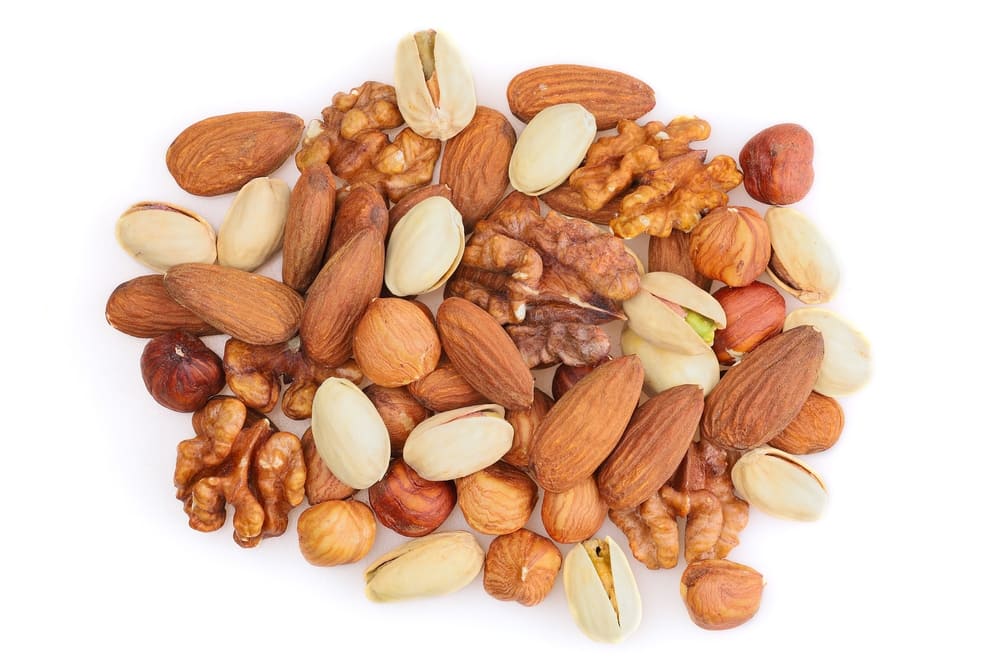
Buying dry fruits may seem simple at first. Many people pick them based on appearance or price alone. However, quality, freshness, and storage play a major role in nutrition and taste. Poor choices often lead to stale flavor and reduced health benefits. A little knowledge can help you shop smarter and store better. This guide explains how to choose the best dry fruits with confidence.
Dry fruits are long term pantry items for many households. They support daily nutrition and healthy snacking. Because they are concentrated foods, quality matters even more. When chosen and stored correctly, they offer excellent value. Learning the basics helps avoid waste and disappointment. Smart buying habits lead to better health outcomes.
Understanding What Makes Dry Fruits High Quality
Quality dry fruits come from good sourcing and proper handling. Freshness is the first sign of quality. High quality dry fruits have a natural color and pleasant aroma. They feel firm but not hard. There should be no signs of moisture or stickiness.
Dry fruits should also be free from insects and excess dust. Artificial shine often indicates added oils or chemicals. Natural dry fruits have a matte appearance. Reading labels helps identify preservatives or additives. Quality starts with awareness at the point of purchase.
Signs of Poor Quality to Avoid
Avoid dry fruits with uneven color or strong odor. These signs suggest spoilage or poor storage. Cracks or excessive dryness also indicate age.
Always trust your senses. Sight and smell reveal a lot. Choosing quality protects both taste and health.
Types of Dry Fruits and Their Unique Qualities
Dry fruits come in many varieties, each with different characteristics. Almonds are known for firmness and mild sweetness. Walnuts should feel heavy and smell fresh. Cashews should have a creamy color and smooth texture. Raisins should be plump and not overly sticky.
Each type requires specific attention when buying. Dry fruits differ in oil content and shelf life. Nuts with higher oil content spoil faster. Understanding these differences helps guide buying quantity. Variety adds nutritional balance and enjoyment.
Choosing Based on Your Needs
Active individuals may prefer energy rich nuts. Families may choose versatile options for cooking. Taste preference also matters.
Selecting the right mix improves usage. It also reduces waste. Purpose driven buying leads to satisfaction.
Where to Buy Dry Fruits Safely
Choosing the right seller is as important as choosing the product. Reputed stores maintain proper storage conditions. They rotate stock regularly to ensure freshness. Open markets may offer variety but require careful inspection. Online platforms provide convenience but require trust in reviews.
When buying Dry fruits, check packaging details carefully. Look for packing date and origin. Avoid bulk buying from unknown sources. Reliable sellers prioritize hygiene and transparency. Trust builds through consistent quality.
Buying Loose vs Packed Dry Fruits
Loose dry fruits allow visual inspection. However, they risk exposure to air and dust. Packed dry fruits offer hygiene and labeling.
Choose based on trust and turnover. Freshness matters more than price. A balanced approach works best.
How to Check Freshness Before Buying
Freshness determines both taste and nutrition. Good dry fruits have a natural smell without sour notes. Texture should be crisp or chewy depending on type. They should not feel oily unless naturally high in fat. Excess oil often indicates age.
Taste testing is helpful when allowed. Dry fruits should taste clean and natural. Bitter or stale flavors suggest spoilage. Visual inspection also reveals mold or discoloration. Freshness protects health and enjoyment.
Understanding Shelf Life
Different dry fruits have different shelf lives. Nuts spoil faster than dried berries. Storage conditions affect longevity.
Buying smaller quantities ensures freshness. Frequent restocking is better than long storage. Awareness improves results.
Storage Tips to Maintain Quality at Home
Proper storage preserves freshness and nutrients. Dry fruits should be stored in airtight containers. Exposure to air causes oxidation and spoilage. Heat and light also reduce quality. Cool and dark places work best.
Refrigeration helps extend shelf life for some types. Dry fruits with high oil content benefit from cold storage. Avoid storing near strong odors. Dry fruits absorb smells easily. Simple storage habits protect quality.
Best Containers for Storage
Glass or steel containers work well. Avoid plastic for long term storage. Airtight seals are essential.
Label containers with dates. This helps track freshness. Organized storage prevents waste.
Common Storage Mistakes to Avoid
Leaving dry fruits in open packets invites moisture. This leads to mold and spoilage. Mixing old and new stock also reduces quality. Ignoring temperature changes affects shelf life. These mistakes are common but avoidable.
Overbuying is another issue. Dry fruits are nutrient dense and filling. Buying excessive amounts increases spoilage risk. Planning purchases based on usage helps. Awareness prevents loss and disappointment.
Protecting Against Moisture and Pests
Moisture is the biggest enemy. Always use dry hands or spoons. Close containers tightly after use.
Regularly check stored dry fruits. Early detection prevents waste. Clean storage areas support hygiene.
Seasonal Buying and Smart Planning
Seasonal buying improves quality and price. Harvest seasons offer fresher options. Prices are often lower during peak availability. Planning purchases around seasons helps save money. Quality improves naturally.
Buying Dry fruits during festivals often means better variety. However, demand also increases. Choose trusted sellers during peak seasons. Planning ahead avoids rushed decisions. Timing affects quality and value.
Budget Friendly Buying Tips
Compare prices across sellers. Avoid impulse buying. Focus on essential varieties.
Buying in moderate quantities balances cost and freshness. Smart planning supports long term savings. Quality remains consistent.
Making Dry Fruits Part of a Healthy Routine
Buying well is only the first step. Proper use completes the cycle. Rotate varieties for balanced nutrition. Use them in snacks and meals. Enjoy them mindfully.
Dry fruits support health when chosen and stored correctly. Small habits create lasting benefits. Knowledge builds confidence. Smart buying leads to better living. Nutrition begins with informed choices.