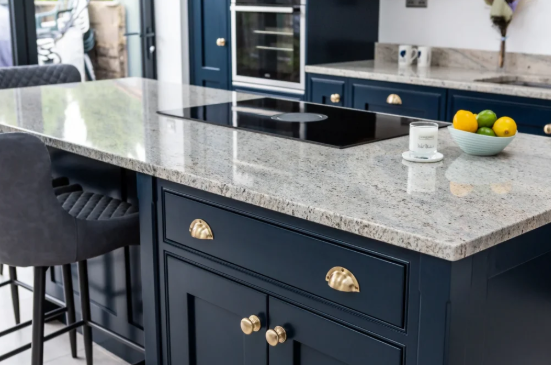
Granite has long been prized for its timeless beauty, durability, and natural elegance. As environmental concerns become increasingly important for homeowners, builders, and designers, the question arises: Can granite be a sustainable choice? Today’s granite worktop supplier landscape is evolving, with many companies adopting eco‑friendly approaches across the stone’s journey from quarry to kitchen surface. In this blog, we explore the sustainable practices shaping the granite industry and what they mean for environmentally conscious consumers.
What Makes Granite a Sustainable Material
Granite is a natural igneous rock formed over millions of years beneath the Earth’s surface. Its natural origin and minimal processing contribute to its sustainable profile. Unlike engineered materials that require extensive manufacturing, chemical binders, and synthetic components, granite typically only needs cutting, shaping, and polishing to become a finished worktop. This reduced processing translates to lower energy use and fewer emissions compared with many alternative surfaces.
Furthermore, granite’s exceptional durability means it can last for decades—often outlasting the homes in which it’s installed. This long lifespan reduces the frequency of replacements, subsequently decreasing the environmental impact related to manufacturing and installation cycles.
Responsible Quarrying: Minimizing Environmental Impact
At the heart of sustainable granite production is responsible quarrying. Traditional extraction methods can disrupt landscapes, lead to habitat loss, and consume significant water and energy. However, modern granite worktop supplier practices are focused on reducing these impacts.
Leading suppliers are increasingly sourcing stone from quarries that adhere to stringent environmental standards. These practices include minimizing land disturbance, implementing non‑explosive extraction techniques, and designing operations to protect surrounding ecosystems. Many quarries are also investing in renewable energy sources and energy‑efficient machinery to cut greenhouse gas emissions.
Water conservation is another key focus. Advanced facilities use closed‑loop water recycling systems that treat and reuse water during cutting and polishing processes, significantly reducing freshwater consumption while preventing pollution from discharge.
Waste Reduction and Circular Economy Practices
Waste generation is a significant challenge in natural stone fabrication. Every slab cut produces offcuts and fragments, which can contribute to landfill waste if not managed properly. Progressive granite worktop supplier companies are turning this challenge into an opportunity through innovative recycling programs.
Offcuts that once would have been discarded are now repurposed into smaller products like tiles, mosaics, or decorative stonework. Some crushed stone waste is used as aggregate in construction or landscaping. These circular economy initiatives not only reduce landfill burden but also conserve valuable raw materials.
Ethical Sourcing and Social Responsibility
Sustainability isn’t just about the environment; it also encompasses the well‑being of communities involved in the supply chain. Ethical sourcing practices ensure that labour conditions in quarries and fabrication facilities meet acceptable social standards. This includes fair wages, safe working environments, and respect for local communities affected by quarrying operations.
Transparent supply chains allow consumers to trace their granite from quarry to countertop, giving assurance that environmental and social responsibilities are being upheld. Many modern suppliers publish sustainability policies or seek certifications that validate their adherence to these best practices.
Energy Efficiency and Carbon Footprint Reduction
Transport and processing contribute substantially to the carbon footprint of natural stone products. To address this, sustainable suppliers prioritize regional sourcing to cut down on transportation distances, which significantly reduces emissions associated with long‑distance freight.
In addition to shorter transport routes, some suppliers invest in energy‑efficient machinery and renewable energy installations at their facilities. Solar panels, wind turbines, and advanced dust collection systems are among the technologies being deployed to reduce reliance on fossil fuels and lower overall environmental impact.
Long‑Term Benefits of Choosing Sustainable Granite
Choosing granite from a responsible granite worktop supplier offers numerous sustainability benefits. Natural stone is recyclable, free of volatile organic compounds (VOCs), and often requires only mild cleaning agents for maintenance—factors that contribute to healthier indoor environments and less chemical pollution.
Granite’s longevity means fewer resources spent on replacements, while its recyclability supports broader circular economy goals. When old granite surfaces are removed, they can often be repurposed for outdoor paving, landscaping, or other construction uses—extending the material’s life cycle beyond its original application.
Conclusion
Sustainability in the granite industry is no longer an afterthought. Forward‑thinking quarries and granite worktop supplier partners are embracing environmentally conscious practices across extraction, processing, transport, and waste management. For those in the UK seeking quality and eco‑responsible options, consider exploring granite worktops in Chelmsford to find suppliers committed to both excellence and sustainability. By choosing responsibly sourced and manufactured granite, consumers can enjoy the beauty and durability of natural stone while supporting sustainable environmental stewardship.
![Delta Executor APK Download Official Site [2026 Anti-Ban Update] - Newsglo](https://newsglo.com/wp-content/uploads/2026/02/Delta-Executor-APK.png "Delta Executor APK Download Official Site [2026 Anti-Ban Update] - Newsglo")