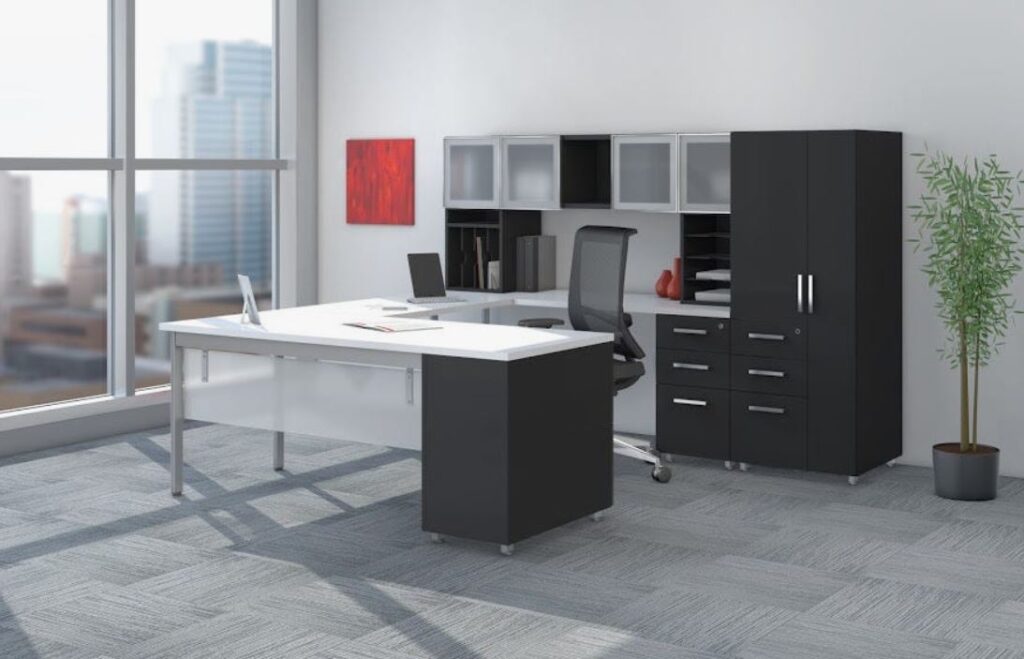
Choosing the right office furniture is essential for creating a productive and inviting work environment. From ergonomic chairs and desks to storage solutions and collaborative workstations, the furniture you select influences employee comfort, workflow efficiency, and the overall aesthetic of your office. A well-designed office space can enhance productivity, reduce stress, and reflect the professionalism of your company to visitors and clients. As businesses increasingly focus on employee well-being and branding, investing in high-quality office furniture has become a critical aspect of modern workplace design.
Ergonomics and Comfort in Office Furniture
One of the most important considerations when selecting office furniture is ergonomics. Employees spend hours at their desks, and poorly designed chairs or desks can lead to discomfort and long-term health issues such as back pain or repetitive strain injuries. Ergonomic office furniture, including adjustable chairs, sit-stand desks, and supportive seating solutions, helps maintain proper posture and reduces physical strain. By prioritizing comfort, companies can boost productivity, improve employee satisfaction, and reduce absenteeism.
Materials and Durability
The materials used in office furniture play a significant role in both aesthetics and longevity. Popular choices include solid wood, metal, glass, and high-quality laminates. Wooden furniture provides a classic and warm feel, while metal and glass offer a sleek, modern look suitable for contemporary offices. Durability is another critical factor, as office furniture must withstand daily use over many years. Investing in robust, long-lasting pieces reduces maintenance costs and ensures your office maintains a professional appearance.
Storage Solutions and Organization
Efficient storage is a key element of office furniture design. Filing cabinets, modular shelving units, and storage drawers help keep workspaces organized and clutter-free. Proper storage not only improves efficiency by making it easier to locate important documents and supplies but also enhances the overall appearance of the office. Well-organized spaces create a positive impression on clients and provide a more comfortable environment for employees.
Collaborative and Flexible Workspaces
Modern offices increasingly prioritize collaboration and flexibility, and office furniture should support these needs. Modular desks, movable partitions, and shared tables allow teams to adapt their workspace according to project requirements. Flexible furniture arrangements encourage interaction, foster creativity, and make it easier to reconfigure spaces as the company grows or changes. By incorporating adaptable office furniture, businesses can create an environment that supports both teamwork and individual productivity.
Aesthetic Appeal and Brand Representation
Office furniture contributes significantly to the visual identity of a company. The style, color, and design of furniture should align with your brand image and office theme. For example, minimalist furniture with clean lines and neutral colors suits a modern tech firm, while traditional wooden desks and leather chairs may better reflect a law firm or consultancy. Thoughtfully selected office furniture reinforces your brand, creates a cohesive office environment, and leaves a lasting impression on clients and visitors.
Technology Integration
As workplaces become more digital, office furniture that accommodates technology is increasingly important. Desks with built-in cable management systems, integrated power outlets, and charging stations help maintain a tidy and functional workspace. Furniture designed to support monitors, laptops, and other devices improves workflow efficiency and reduces clutter. Smart office furniture solutions enable employees to work seamlessly with technology while keeping the office organized and visually appealing.
Lighting and Workspace Comfort
Proper lighting is essential to complement office furniture and improve workplace comfort. Task lighting, adjustable desk lamps, and overhead lighting solutions enhance visibility and reduce eye strain. When paired with well-chosen furniture, lighting can create a welcoming, productive atmosphere. Bright and strategically placed lighting highlights furniture design while contributing to a healthy and energizing workspace.
Sustainability and Eco-Friendly Options
Sustainable office furniture is gaining popularity as companies become more environmentally conscious. Furniture made from recycled materials, responsibly sourced wood, or eco-friendly finishes reduces environmental impact while maintaining high standards of quality and style. Choosing sustainable office furniture not only aligns with corporate social responsibility initiatives but also appeals to employees and clients who value environmentally responsible practices.
Cost Considerations and Long-Term Value
While budget is an important factor in choosing office furniture, it should be balanced with quality, functionality, and aesthetics. Cheaper furniture may save money upfront but could lead to higher replacement costs and reduced employee satisfaction. Investing in durable, ergonomic, and stylish furniture ensures long-term value and a better working environment. Businesses often find that slightly higher initial investment pays off through increased productivity, reduced maintenance, and a positive office image.
Expert Guidance and Custom Solutions
Consulting with professional office furniture providers can help businesses make informed choices. Experts can recommend furniture that maximizes space, suits your company’s style, and meets operational needs. Custom solutions allow companies to create unique workspaces that reflect their brand identity while optimizing functionality. Professional guidance ensures that office furniture investments are well-planned and aligned with business objectives.
In conclusion, selecting the right office furniture is more than just a matter of style—it is a strategic decision that impacts productivity, comfort, and brand representation. From ergonomic seating and durable desks to flexible workspaces and efficient storage, the furniture you choose shapes the daily experience of employees and visitors alike. By investing in thoughtfully designed office furniture, businesses can create professional, functional, and inviting work environments that stand the test of time.