Modern farming relies heavily on machinery to improve efficiency, productivity, and yield. At the heart of this machinery are agriculture tires, which directly influence traction, soil health, fuel efficiency, and overall equipment performance. The right tires can enhance productivity, while poorly chosen or poorly maintained ones can lead to increased costs, reduced output, and long-term damage to fields.
Understanding the factors that affect the performance of agriculture tires helps farmers and operators make informed decisions that support reliable operation and sustainable farming practices.
Tire Design and Construction
The construction of agriculture tires plays a major role in how they perform in the field. Tires are generally available in radial and bias constructions, each designed for specific farming needs.
Radial tires offer better flexibility, improved traction, and reduced soil compaction, making them ideal for long field operations. Bias tires, on the other hand, are known for their sturdy sidewalls and resistance to damage, which can be useful in rough terrain. Selecting the right construction type ensures the tire performs effectively under expected working conditions.
Tread Pattern and Depth
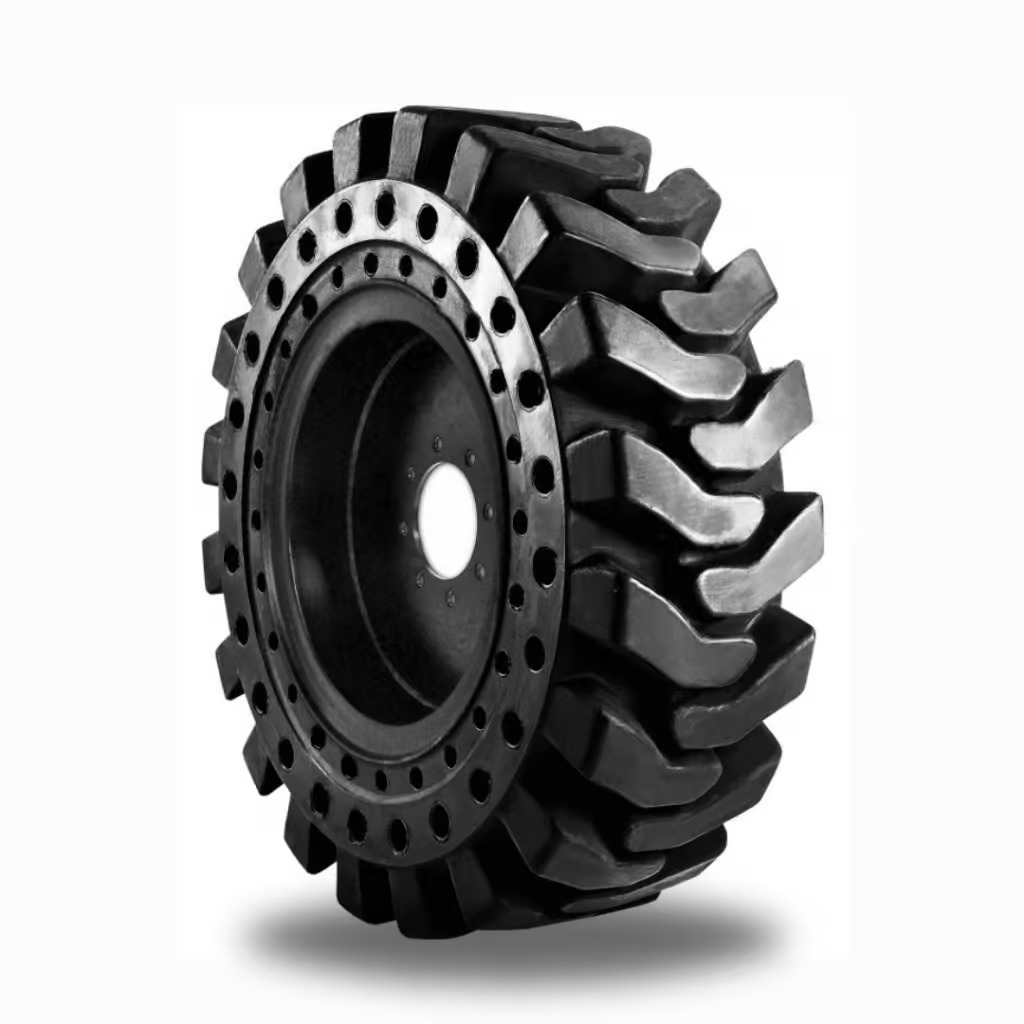
Tread design directly affects traction, self-cleaning ability, and stability. Deep, aggressive lugs provide better grip in soft or muddy soil, while shallower patterns may perform better on firmer ground.
As tread depth decreases due to wear, traction is reduced, which can increase slippage and fuel consumption. Regularly monitoring tread condition ensures agriculture tires maintain consistent performance throughout their service life.
Tire Size and Load Capacity
Using the correct tire size is essential for both safety and efficiency. Agriculture tires must be properly matched to the equipment they support, considering axle load, machine weight, and working speed.
Incorrect sizing can lead to uneven load distribution, reduced stability, and accelerated wear. Properly sized tires ensure optimal ground contact, improved traction, and better overall machine balance.
Inflation Pressure Management
Air pressure is one of the most critical factors affecting tire performance. Incorrect inflation can significantly reduce efficiency and increase wear.
Low pressure increases rolling resistance and sidewall flexing, while excessive pressure reduces traction and increases soil compaction. Maintaining manufacturer-recommended pressure levels allows agriculture tires to deliver the right balance of grip, durability, and fuel efficiency for different farming tasks.
Soil Type and Field Conditions
Soil composition varies widely, and each type places different demands on tires. Wet clay, loose sand, dry soil, and compacted ground all affect traction and wear differently.
Agriculture tires designed for specific soil conditions help reduce wheel slip, prevent rutting, and protect soil structure. Matching tires to local field conditions improves productivity while preserving long-term soil health.
Equipment Weight and Load Distribution
Modern agricultural equipment continues to increase in size and weight. How that weight is distributed across axles directly affects tire performance.
Uneven weight distribution causes certain tires to carry more load than others, leading to premature wear and reduced traction. Proper ballast placement and correct tire selection help maintain balance and prevent unnecessary stress on tires.
Operating Speed and Driving Practices
Excessive speed can generate heat, increase wear, and reduce traction, especially when carrying heavy loads. Agriculture tires are designed to perform within specific speed ranges, both in the field and on roads.
Smooth driving, controlled acceleration, and appropriate speeds help preserve tire integrity and ensure consistent performance throughout the farming season.
Weather and Environmental Conditions
Temperature, moisture, and exposure to sunlight all affect tire performance. Hot conditions can accelerate rubber aging, while wet environments reduce traction and increase slippage.
High-quality agriculture tires are manufactured with compounds designed to withstand environmental stress, but proper storage and seasonal inspection further protect them from premature deterioration.
Maintenance and Inspection Practices
Regular inspection is essential for maintaining tire performance. Cuts, cracks, uneven wear, or embedded debris can weaken tires and reduce safety.
Key maintenance practices include checking air pressure, inspecting tread and sidewalls, and ensuring proper wheel alignment. Proactive care helps prevent unexpected failures during critical farming operations.
Compatibility With Farming Equipment
Different machines place different demands on tires. Tractors, harvesters, sprayers, and trailers each require specific tire characteristics.
Using agriculture tires designed for the specific equipment ensures better traction, reduced wear, and improved operational efficiency. Compatibility between tire and machine is essential for safe and effective performance.
Advancements in Tire Technology
Modern agriculture tires benefit from advancements in materials and design. Flexible sidewalls, improved tread geometry, and advanced rubber compounds allow tires to carry heavier loads while reducing soil compaction.
These innovations help farmers improve efficiency, protect fields, and reduce operating costs over time.
Cost Versus Long-Term Value
While initial cost is an important factor, long-term value often matters more. High-quality agriculture tires may have a higher upfront price, but they typically offer longer service life, better fuel efficiency, and lower maintenance costs.
Evaluating total ownership cost helps farmers make more sustainable and economical choices.
Final Thoughts
The performance of agriculture tires is influenced by a combination of design, maintenance, operating conditions, and informed selection. Factors such as tread pattern, inflation pressure, soil type, equipment weight, and driving practices all work together to determine how effectively tires support farming operations.
By understanding these factors and making thoughtful decisions, farmers can improve traction, reduce wear, protect soil health, and maximize productivity. Well-selected and properly maintained agriculture tires are not just components of machinery. They are essential tools that contribute to efficient, reliable, and sustainable farming.