In every modern ABS car, braking is no longer a simple hydraulic process. Hybrid platforms require the Brake ECU to continuously manage and balance motor torque, wheel speed, and driver input. When regenerative braking is partially disabled—whether due to battery limits, thermal constraints, or system faults—the ECU engages fail-safe mode to maintain consistent braking performance. At Hybridev Engineering, we examine how advanced high-speed braking stability systems protect drivers, ensuring every stop remains safe and predictable.
Why Fail-Safe Mode Is Crucial in a Hybrid ABS Car
Hybrid ABS cars integrate both hydraulic braking and regenerative energy recovery. When regeneration is limited or temporarily unavailable, the ECU must instantly shift braking authority to hydraulic systems without compromising stability. This fail-safe logic is essential to prevent wheel lock, maintain pedal feel, and preserve overall control.
Unlike traditional vehicles, hybrid ABS cars cannot rely on pedal input alone. The Brake ECU evaluates wheel speed sensors, motor torque, and traction conditions in real time. By doing so, the system ensures safety even under conditions where regenerative braking cannot contribute. Hybridev Engineering emphasizes that understanding these fail-safe protocols is critical for engineers, technicians, and hybrid vehicle owners alike.
How the ECU Handles Partial Regeneration Loss
When regenerative braking is partially disabled, the Brake ECU executes an arbitration strategy that prioritizes safety. Wheel speed sensors report deceleration, while the inverter reports available motor torque. If regeneration is insufficient, hydraulic braking is automatically adjusted to compensate.
This transition must be seamless. Any delay or misalignment could cause harsh pedal feel or uneven stopping. Fail-safe mode ensures redundancy by constantly monitoring sensor integrity, actuator performance, and braking force distribution. Even a hybrid ABS car with partial regenerative loss can maintain consistent stopping power under all conditions.
Intelligent Braking Assistance in Fail-Safe Mode
Advanced ABS cars rely on intelligent braking assistance systems to optimize fail-safe behavior. These systems predict wheel lock before it occurs, adjusting braking authority between motor and hydraulics in milliseconds. This predictive logic is especially critical when regeneration is partially disabled.
At Hybridev Engineering, we often find that drivers are unaware their braking behavior is being dynamically managed by software. The ECU ensures stopping distances remain consistent, even when energy recovery is temporarily limited. This intelligent control enhances both safety and confidence.
Battery Influence on Fail-Safe Braking
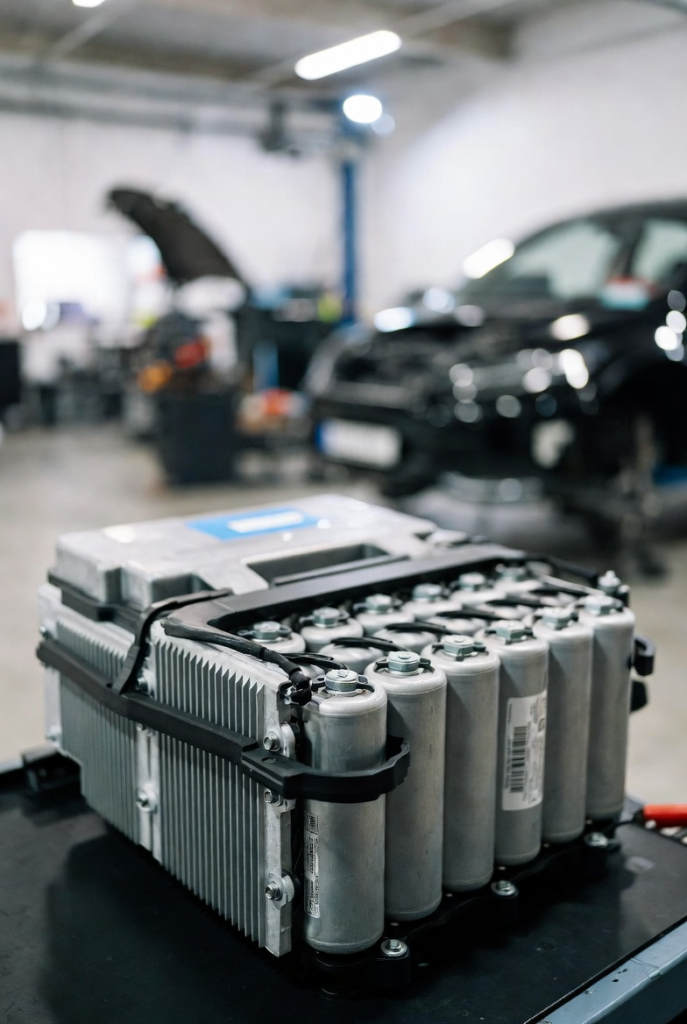
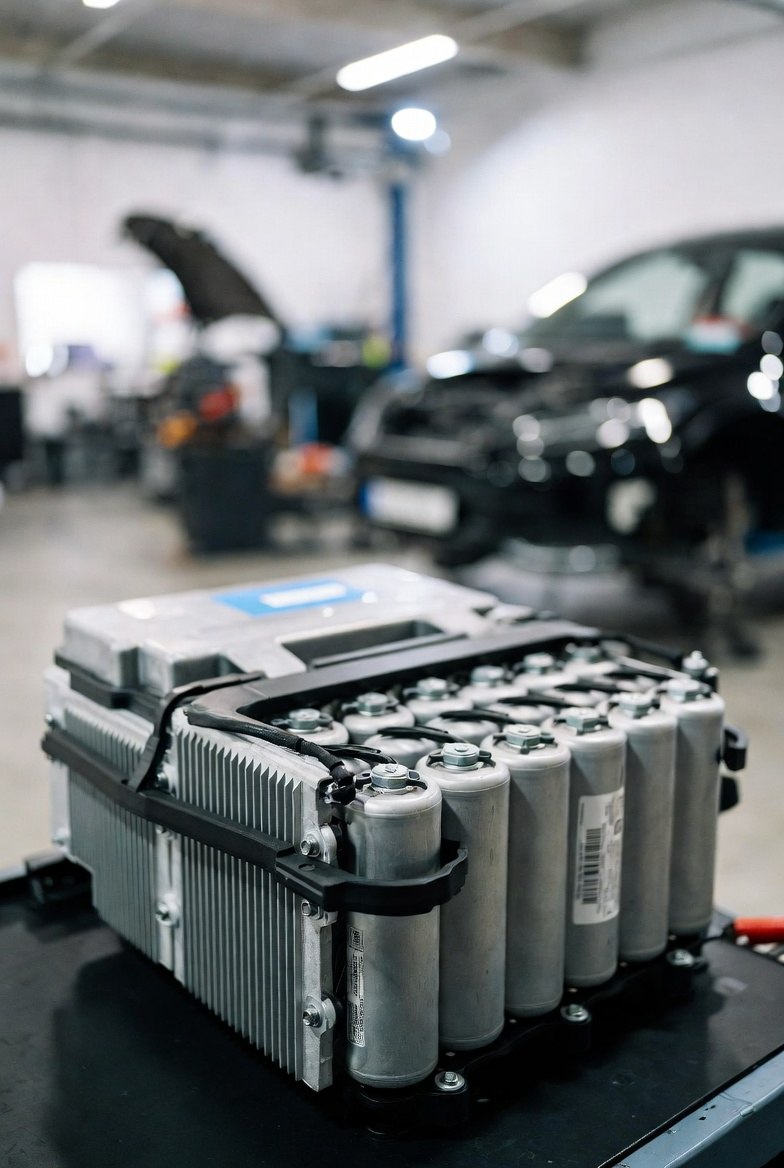
Battery state directly impacts regenerative capacity. High charge levels, thermal limits, or aging can reduce regeneration. When this occurs, hydraulic braking assumes more responsibility, and the ECU recalibrates braking dynamics in real time.
Similarly, proper e-bike battery maintenance guide ensures stable energy delivery and prolongs component life. Just as hybrid ABS cars adjust braking based on battery state, electric mobility systems must respect battery constraints. Understanding e bike battery behavior provides insight into how modern braking systems integrate energy storage considerations.
In fact, hybrid ABS cars often rely on e bike battery-like energy management principles. Limiting regenerative torque protects both the battery and braking system while maintaining safe vehicle dynamics.
Diagnostics and Servicing
Fail-safe mode requires more than checking fault codes. Hybrid ABS cars need signal-level evaluation to verify how the ECU reallocates braking authority. Hybridev Engineering monitors wheel speed sensors, hydraulic pressure, and motor torque commands simultaneously to identify misbehavior.
Proper servicing ensures that fail-safe protocols operate as intended. Ignoring calibration or software updates can cause inconsistent pedal feel, unexpected ABS engagement, or uneven braking. Expert diagnostics restore full system reliability without unnecessary part replacement.
Engineering Perspective on High-Speed Safety
Fail-safe mode is especially critical during high-speed braking. Hybrid ABS cars utilize predictive logic within high-speed braking stability systems to prevent loss of control. These systems continuously adjust braking forces, ensuring vehicle stability and driver confidence.
At Hybridev Engineering, we approach braking systems with precision. Both software and hardware must operate in harmony, and understanding this interplay is key to maximizing safety and system longevity.
Conclusion – Why Expert Understanding Matters
Fail-safe mode is not a backup; it is a core function of hybrid ABS cars. When regenerative braking is partially disabled, the ECU, sensors, and hydraulic systems collaborate to maintain stability. Proper diagnostics, calibration, and engineering insight are essential to keep braking performance reliable.
At Hybridev Engineering, we restore logic, calibrate controls, and ensure every ABS car meets its designed safety standards. For professional insights, advanced diagnostics, and expert guidance, visit Hybridev Engineering.