Data Center Construction Market Size and Forecast (2025–2033)
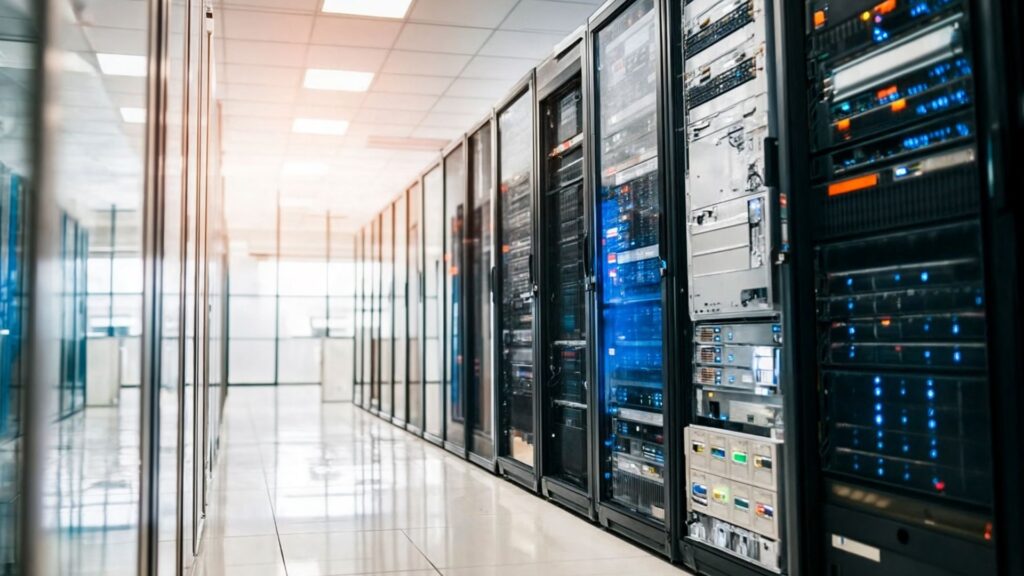
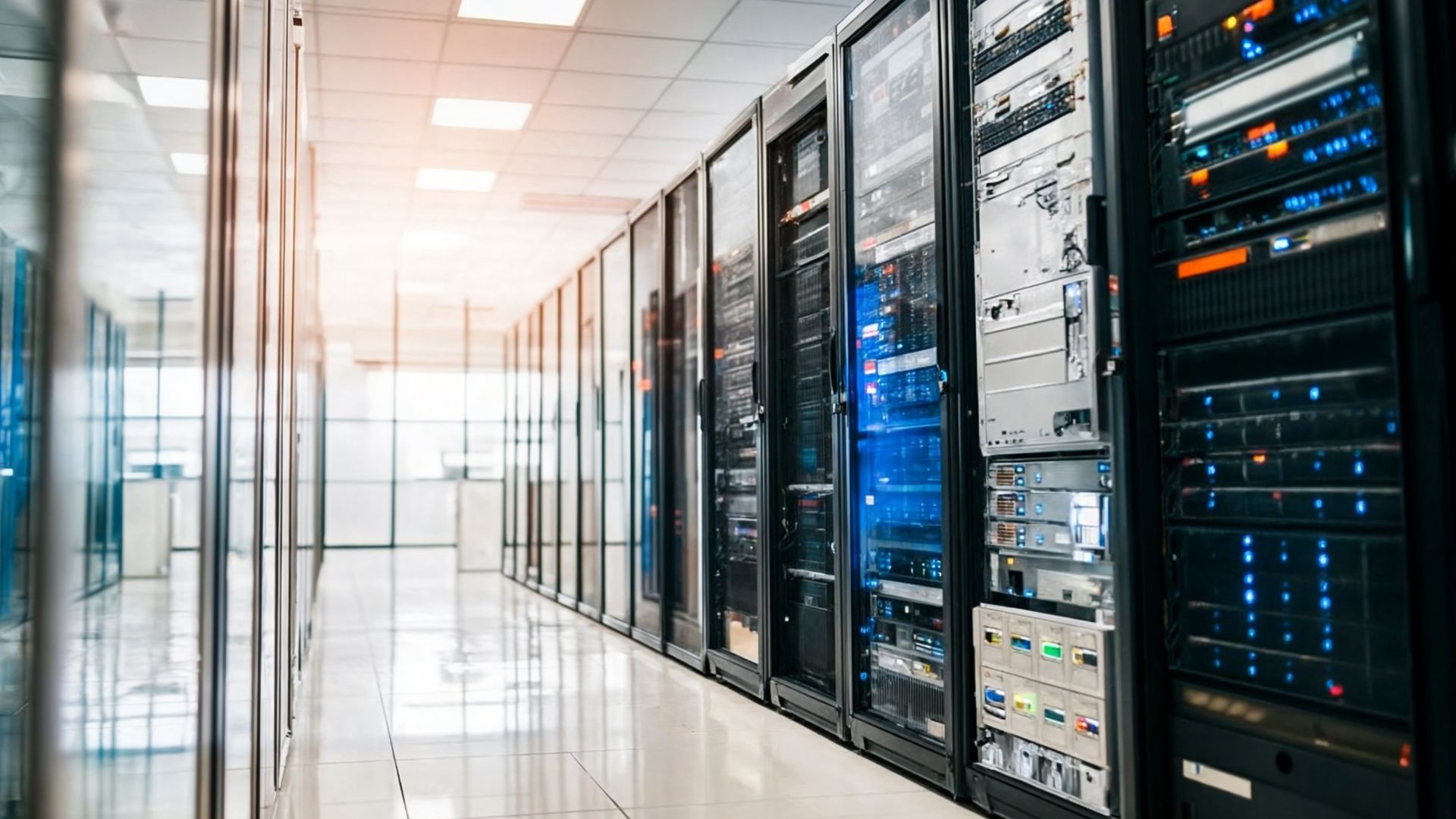
According To Renub Research global data center construction market has emerged as a critical enabler of the digital economy, supporting the rapid expansion of cloud computing, artificial intelligence, big data analytics, and connected technologies. Data centers serve as the backbone of modern digital infrastructure, housing servers, networking equipment, storage systems, and cooling and power management technologies required to process and store vast amounts of information. As digital transformation accelerates across industries and regions, the construction of advanced, scalable, and sustainable data centers has become a strategic priority for governments, enterprises, and technology providers.
The global data center construction market was valued at approximately US$ 56.5 billion in 2024 and is projected to reach US$ 103.96 billion by 2033, expanding at a compound annual growth rate (CAGR) of 7.01% during the forecast period from 2025 to 2033. This strong growth trajectory is driven by increasing demand for reliable digital infrastructure, rising investments in mechanical and electrical construction, and the growing emphasis on sustainability, energy efficiency, and operational reliability across diverse geographic regions.
Download Free Sample Report:]https://www.renub.com/request-sample-page.php?gturl=data-center-construction-market-p.php
Global Data Center Construction Industry Overview
The data center construction industry encompasses the planning, design, and development of physical facilities that support data processing and storage. These facilities integrate a wide range of components, including IT infrastructure, power distribution systems, cooling solutions, fire suppression, physical security, and building management systems. Modern data centers are highly complex projects requiring specialized expertise to ensure reliability, scalability, and compliance with stringent operational standards.
The rapid growth of cloud-based services, software-as-a-service platforms, and digital content delivery has significantly increased demand for data center capacity. At the same time, emerging technologies such as artificial intelligence, edge computing, and the Internet of Things are driving the need for low-latency, high-performance infrastructure. As a result, data center construction projects are becoming larger, more technologically advanced, and increasingly distributed across multiple locations.
Sustainability has become a central theme in data center construction. Developers are prioritizing energy-efficient designs, renewable energy integration, and environmentally responsible construction practices to reduce carbon footprints and operating costs. Green building certifications, innovative cooling technologies, and advanced power management systems are now standard considerations in new projects.
Another notable trend is the adoption of prefabricated and modular construction techniques. These approaches allow for faster deployment, reduced construction timelines, and improved cost control. Modular data centers also offer flexibility and scalability, enabling operators to expand capacity in line with demand while minimizing disruption.
Key Factors Driving the Data Center Construction Market Growth
Growing Concerns Related to Cybersecurity
Increasing cybersecurity threats are a major driver of investment in data center construction. As data breaches, ransomware attacks, and cyber intrusions become more frequent and sophisticated, organizations are placing greater emphasis on secure data storage and processing environments. Highly secure data centers are essential for protecting sensitive information in sectors such as banking and financial services, healthcare, government, and defense.
Modern data center construction increasingly incorporates advanced physical security features, including biometric access controls, surveillance systems, and reinforced building designs. These measures are complemented by robust digital security infrastructure, such as secure network architectures and intrusion detection systems. The need to safeguard critical data assets is encouraging enterprises to invest in purpose-built, high-security data centers, driving market growth.
Technological Advancements and Rising Infrastructure Requirements
Rapid technological progress is significantly influencing data center construction requirements. The widespread adoption of artificial intelligence, machine learning, blockchain, and high-speed networking technologies has increased demand for facilities capable of handling high-density computing workloads and massive data volumes. Data centers must be designed to support advanced hardware, high power loads, and efficient heat dissipation.
Fiber-optic connectivity and next-generation networking technologies require data centers to provide high-speed, low-latency connectivity. This has led to the construction of facilities with enhanced network redundancy and proximity to major connectivity hubs. In addition, the growing importance of edge computing is driving the development of smaller, decentralized data centers closer to end users to reduce latency and improve performance.
Organizations are also diversifying data center locations to improve resilience, comply with data sovereignty regulations, and minimize operational risk. This geographic expansion is fueling construction activity across multiple regions and contributing to sustained market growth.
Sustainability Initiatives and Regulatory Compliance
Environmental sustainability and regulatory compliance are playing an increasingly important role in shaping the data center construction market. Data centers are among the most energy-intensive types of buildings, prompting heightened scrutiny from regulators and stakeholders. Governments and regulatory bodies are introducing stricter standards related to energy efficiency, emissions, and environmental impact.
In response, developers are adopting green construction practices, including energy-efficient building designs, advanced cooling technologies, and the use of renewable energy sources. Sustainable materials, efficient layouts, and waste reduction strategies are being incorporated from the earliest stages of project planning.
Sustainability initiatives not only help organizations meet regulatory requirements but also reduce long-term operating costs and enhance corporate social responsibility credentials. As environmental considerations become a key decision factor for investors and customers, demand for sustainable data center construction solutions continues to rise.
Challenges in the Data Center Construction Market
High Energy Consumption and Sustainability Pressures
Energy consumption remains one of the most significant challenges in data center construction. Data centers require substantial electricity to power servers, cooling systems, and supporting infrastructure. As digital demand increases, the energy footprint of data centers continues to grow, placing pressure on power grids and increasing operational costs.
Balancing performance requirements with sustainability goals is a complex task. Developers must invest in energy-efficient technologies, renewable power sources, and innovative cooling solutions to reduce environmental impact. Designing data centers with sustainability in mind from the outset is essential but often involves higher upfront costs and technical complexity.
Land Availability and Location Constraints
Securing suitable land for data center construction is another major challenge, particularly in urban and high-demand regions. Data centers require large plots of land with access to reliable power, high-capacity network connectivity, and sufficient water resources for cooling. In densely populated areas, such sites are limited, expensive, or subject to strict zoning regulations.
Community opposition, environmental assessments, and lengthy approval processes can further delay projects. These constraints are encouraging developers to explore alternative approaches, such as building in secondary markets, repurposing existing structures, or deploying modular and edge data centers. While these strategies offer potential solutions, they also introduce new planning and operational challenges.
Data Center Construction Market Overview by Regions
North America
North America leads the global data center construction market due to its advanced digital infrastructure, high cloud adoption, and strong presence of technology companies. The region continues to attract significant investment in hyperscale and colocation facilities. Emphasis on sustainability, renewable energy usage, and advanced cooling technologies is shaping construction practices.
Europe
Europe’s data center construction market is driven by increasing digitalization and strong regulatory focus on environmental sustainability. Countries across the region are prioritizing energy-efficient designs and green building standards. Demand is supported by growth in cloud services, enterprise digital transformation, and data sovereignty requirements.
Asia-Pacific
Asia-Pacific is the fastest-growing regional market for data center construction. Rapid digital transformation, expanding internet usage, and supportive government initiatives are driving significant investment. Countries such as China and India are witnessing strong growth due to rising demand for cloud services, e-commerce, and digital infrastructure.
Middle East and Latin America
The Middle East and Latin America are emerging markets for data center construction. Investments in digital infrastructure, smart city initiatives, and regional connectivity are supporting gradual growth. Strategic geographic locations and increasing demand for colocation services are enhancing the attractiveness of these regions.
Country-Level Market Insights
United States
The United States represents the largest market for data center construction globally. Strong demand from cloud service providers, enterprises, and content delivery networks continues to drive investment. Sustainability, modular construction, and advanced cooling systems are key trends shaping the market.
Germany
Germany’s data center construction market is expanding due to rising cloud adoption and demand for secure data storage. Energy efficiency and compliance with strict environmental regulations are central considerations. The country’s strong industrial base and digital economy support steady growth.
India
India’s data center construction market is growing rapidly, supported by digitalization initiatives, increasing internet penetration, and expansion of cloud services. Developers are increasingly adopting modular and energy-efficient construction methods to meet growing demand while managing costs.
United Arab Emirates
The UAE is emerging as a regional hub for data center development, driven by its focus on digital transformation and sustainability. Investments in advanced infrastructure, renewable energy integration, and colocation facilities are positioning the country as a key player in the global data center landscape.
Market Segmentation Overview
By Tier Type
- Tier 1
- Tier 2
- Tier 3
- Tier 4
By Infrastructure
- IT Infrastructure
- Miscellaneous Infrastructure
- Power Distribution and Cooling Infrastructure
By Vertical
- IT and Telecom
- BFSI
- Healthcare
- Government and Defense
- Energy
- Others
Competitive Landscape
The data center construction market is competitive, with numerous global and regional players offering specialized design, engineering, and construction services. Companies are focusing on innovation, sustainability, and project execution efficiency to differentiate themselves. Strategic partnerships, adoption of modular construction techniques, and expansion into emerging markets are common competitive strategies.
Conclusion
The global data center construction market is poised for strong growth through 2033, driven by accelerating digital transformation, increasing cybersecurity concerns, and rising demand for sustainable and resilient infrastructure. While challenges such as energy consumption and land constraints persist, ongoing innovation in design, construction methods, and energy efficiency is helping the industry adapt. As data becomes increasingly central to economic and social activity, investment in advanced data center construction will remain a critical priority worldwide.