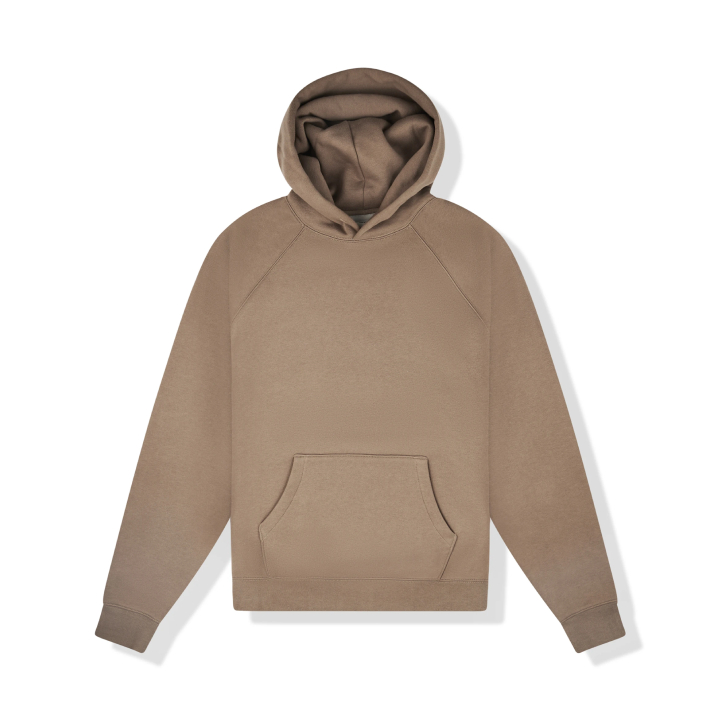

E-commerce Apparel Market Forecast 2025–2033
According to Renub Research global E-commerce Apparel Market is projected to grow from US$ 685.72 billion in 2024 to US$ 1,378.77 billion by 2033, registering an impressive CAGR of 8.07% during 2025–2033. Growth is largely driven by increasing smartphone usage, rapid digital adoption, evolving consumer preferences, and the integration of advanced technologies into online retail platforms. As both mature and emerging economies continue embracing digital shopping, the e-commerce apparel market is expected to expand steadily, presenting significant opportunities for businesses across the fashion value chain.
Global E-commerce Apparel Industry Overview
The e-commerce apparel sector has reshaped traditional fashion retail, giving consumers immediate access to a vast selection of clothing, footwear, and accessories. Online shopping has gained widespread acceptance across rural and urban regions as internet connectivity improves and digital payment systems become more secure. Consumers increasingly prefer online platforms due to competitive pricing, broader assortment, personalized recommendations, and convenient delivery options.
Industry leaders continue to innovate through virtual try-on tools, AI-driven suggestions, and enhanced logistics capabilities. Sustainability has also become a major customer concern, prompting brands to adopt ethical sourcing practices and transparent supply chains. The rise of influencer marketing and social commerce has accelerated consumer engagement, while digital-native brands and D2C models continue to disrupt traditional retail dynamics.
Recent figures highlight that approximately 40% of fashion purchases in Asia now occur online, showcasing the region’s rapid adoption of digital retail. By 2024, an estimated 2.71 billion people worldwide—about 33% of the global population—will shop online, signaling significant long-term growth potential. The global e-commerce apparel sector crossed the US$ 1 trillion mark in 2024, and is projected to reach US$ 1.2 trillion by 2025, underscoring its economic strength.
Governments worldwide are investing heavily in digital infrastructure and cybersecurity while introducing favorable e-commerce regulations. These developments promote consumer trust and support market expansion. However, firms must adhere to strict data privacy, consumer protection, and transparency regulations to capitalize on the market’s full potential.
Request a free sample copy of the report:https://www.renub.com/request-sample-page.php?gturl=e-commerce-apparel-market-p.php
Key Factors Driving the E-commerce Apparel Market Growth
Internet and Mobile Penetration
The proliferation of smartphones and affordable internet access remains one of the strongest growth drivers of the e-commerce apparel sector. Mobile shopping apps offer round-the-clock accessibility, smooth navigation, personalized feeds, and secure payment gateways. As digital literacy increases, consumers feel more confident purchasing fashion products online. Retailers optimizing mobile-first experiences, push notifications, and real-time analytics gain a competitive advantage in capturing this massive digital customer base.
Innovations in Technology and AI Integration
Cutting-edge technologies—including AI, machine learning, and augmented reality—are transforming the online apparel shopping experience. Virtual fitting rooms, chatbots, and AI-powered product recommendations significantly boost customer satisfaction and conversion rates. Retailers utilize AI to analyze vast datasets, predict trends, and manage inventory efficiently. AR-based try-on tools help customers visualize fit, reducing returns. These innovations create engaging and highly personalized shopping journeys that strengthen brand loyalty and market penetration.
Shifting Lifestyle Trends and Customer Preferences
Modern consumers prioritize convenience, diversity, and customization—traits that e-commerce platforms easily fulfill. Influenced heavily by social media trends and digital creators, Gen Z and millennials seek fashionable, affordable, and ethically produced clothing. E-commerce retailers leverage user-generated content, dynamic catalog updates, loyalty rewards, and rapid delivery to meet evolving expectations. In addition, changing work cultures and casual fashion trends have reshaped demand patterns. Brands aligning with customer values, lifestyle shifts, and sustainability preferences see higher engagement and repeat sales.
Challenges in the E-commerce Apparel Market
High Return Rates and Logistics Complications
One of the biggest challenges in the e-commerce apparel segment is the high rate of returns driven by incorrect sizing, color discrepancies, or unmet expectations. Returns increase operational costs and negatively impact sustainability and inventory planning. Efficient reverse logistics systems, precise size guides, and AI-driven fit tools are essential to reduce return rates.
Cross-border shipments, customs procedures, last-mile delivery inefficiencies, and fragmented supply chains further complicate logistics. High delivery and return costs require retailers to form strategic partnerships with logistics providers, invest in technology-driven tracking systems, and streamline fulfillment operations.
Intense Competition and Price Wars
With global fast-fashion giants, niche designers, and local retailers all operating within the same digital space, competition in the e-commerce apparel market is fierce. Aggressive pricing, frequent sales promotions, and heavy advertising often result in shrinking margins. Smaller players face difficulties differentiating themselves and rising marketing acquisition costs.
To stay competitive, brands must focus on unique value propositions, sustainable operations, superior product quality, strong branding, and tech-enabled customer engagement. Differentiation through exclusive collections, lifestyle storytelling, personalized shopping experiences, and enhanced customer service is essential for long-term success.
Household Appliances in the Types Section
The home appliance segment in e-commerce covers both large appliances—such as refrigerators, washing machines, ovens, and air conditioners—and smaller products, including microwaves, vacuum cleaners, and coffee makers. Online sales in this category are increasing due to convenience, expanded product ranges, competitive pricing, and detailed product information.
E-commerce platforms enhance consumer decision-making through user reviews, specification comparisons, and video tutorials. Brands frequently offer installation services, bundled deals, and extended warranties to strengthen customer value. The shift toward smart, IoT-enabled, and energy-efficient appliances aligns with evolving consumer expectations. During festival seasons, promotional sales, and mega online events, demand for home appliances surges significantly.
E-commerce Apparel Market Overview by Regions
United States E-commerce Apparel Market
The U.S. remains a leading region for e-commerce apparel due to high digital adoption, sophisticated logistics networks, and strong consumer familiarity with online shopping. American consumers expect vast assortment, fast shipping, flexible payment options, and effortless returns. Subscription boxes, influencer marketing, and personalization technologies have become mainstream. Rising demand for sustainable and ethically sourced clothing is reshaping brand strategies.
Retailers rely on omnichannel integration—combining online, mobile, and in-store experiences—to provide seamless customer journeys. While the market is mature, saturation and intense competition require brands to innovate continuously through exclusive designs, tech-powered shopping tools, and enhanced customer engagement.
Germany E-commerce Apparel Market
Germany has one of Europe’s most developed online apparel markets, supported by a stable economy, strong digital literacy, and efficient logistics networks. German consumers prioritize product quality, sustainability, and secure payment options. Mobile commerce is expanding, with consumers frequently using smartphones to shop and track orders.
Sustainable fashion is a major trend, driving demand for eco-friendly materials and transparent supply chains. While large marketplaces dominate, direct-to-consumer brands are gaining visibility through niche branding and strong social media engagement. Strict data protection regulations require retailers to maintain high compliance standards to ensure customer trust.
India E-commerce Apparel Market
India’s e-commerce apparel industry is experiencing rapid growth driven by rising internet penetration, a young population, and increasing fashion consciousness. Initiatives like Digital India and affordable mobile data have accelerated online adoption across urban and semi-urban regions. Cash-on-delivery, multilingual interfaces, and aggressive marketing campaigns boost consumer participation.
Festival seasons and mega-discount events significantly increase sales volumes. Both domestic and global brands are tailoring strategies to address regional preferences, price sensitivity, and linguistic diversity. Social media influencers and localized digital content play major roles in shaping purchase decisions. While logistics infrastructure is improving, challenges persist in rural delivery and return handling.
United Arab Emirates E-commerce Apparel Market
The UAE is a high-potential, tech-driven market characterized by affluent consumers, high internet usage, and strong mobile adoption. Cities like Dubai and Abu Dhabi are global fashion hubs where customers expect fast delivery, high-quality service, and seamless online experiences. The market includes a mix of global luxury brands, international fast-fashion chains, and local designers offering culturally relevant styles.
Influencer partnerships and social media campaigns are particularly effective in the UAE. Government investments in digital transformation, smart logistics, and favorable business regulations support the region’s rapid market expansion. Brands must offer Arabic-language interfaces and culturally sensitive collections to enhance accessibility and trust.
Recent Developments in the E-commerce Apparel Industry
- July 2024: Fast-fashion brand Newme secured US$ 18 million in Series A funding to expand its presence and accelerate growth.
- July 2024: Fashion-tech startup Unspun raised US$ 32 million to scale its zero-waste, low-emission apparel technologies.
- November 2024: Athleisure brand Vuori reached a US$ 5.5 billion valuation, reflecting strong investor confidence and rising market influence.
Market Segmentations
Type
- Home Appliances
- Apparel, Footwear & Accessories
- Books
- Cosmetics
- Others
Transaction
- Business-to-Consumer
- Business-to-Business
- Consumer-to-Consumer
- Others
Regional Outlook
North America
- United States
- Canada
Europe
- France
- Germany
- Italy
- Spain
- United Kingdom
- Belgium
- Netherlands
- Turkey
Asia Pacific
- China
- Japan
- India
- South Korea
- Thailand
- Malaysia
- Indonesia
- Australia
- New Zealand
Latin America
- Brazil
- Mexico
- Argentina
Middle East & Africa
- Saudi Arabia
- United Arab Emirates
- South Africa
Key Players Covered
Each company includes: Overview, Key Personnel, Recent Developments, SWOT Analysis, and Revenue Analysis.
Major Companies
- com
- com Inc.
- ASOS
- Best Buy
- eBay Inc.
- Flipkart
- Groupon Inc.
- com Inc.
- Shopify Inc.
- Walmart Inc.