Greece Watch Market Size & Forecast 2025–2033
The Greece watch market is entering a phase of sustained expansion, supported by rising consumer appetite for luxury timepieces, the fast-growing adoption of smartwatches, and strong tourism-driven retail demand. According to Renub Research, the Greece watch market is projected to grow from US$ 208.41 million in 2024 to US$ 337.41 million by 2033, registering a compound annual growth rate (CAGR) of 5.5% during the forecast period 2025–2033.
This growth reflects the evolving role of watches in Greek society—from practical timekeeping tools to fashion accessories, lifestyle devices, and status symbols. The market uniquely blends appreciation for traditional craftsmanship with increasing acceptance of modern wearable technology, positioning Greece as a dynamic and diversified watch market within Southern Europe.
Download Free Sample Report:https://www.renub.com/request-sample-page.php?gturl=greece-watch-market-p.php
Greece Watch Market Outlook
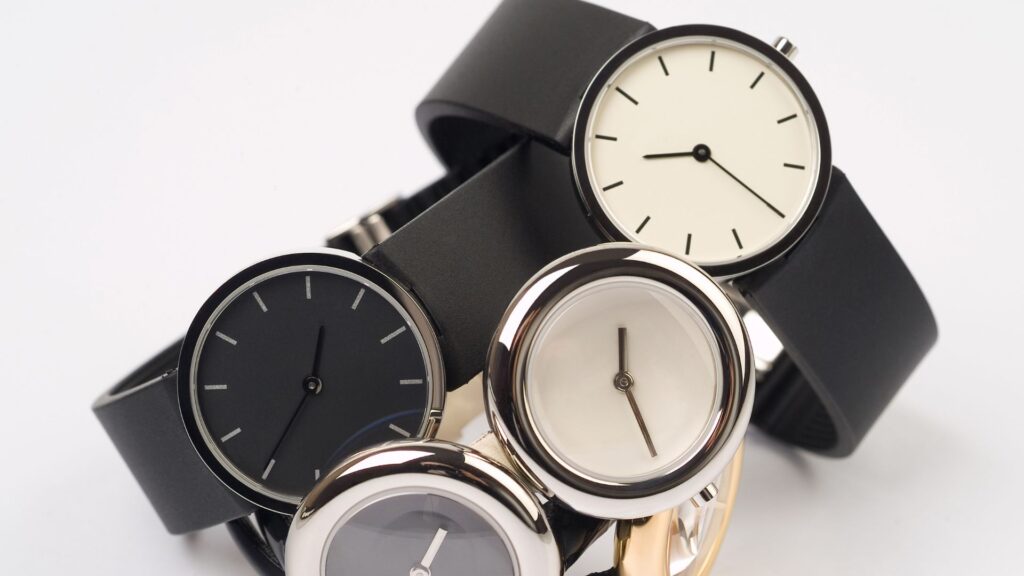
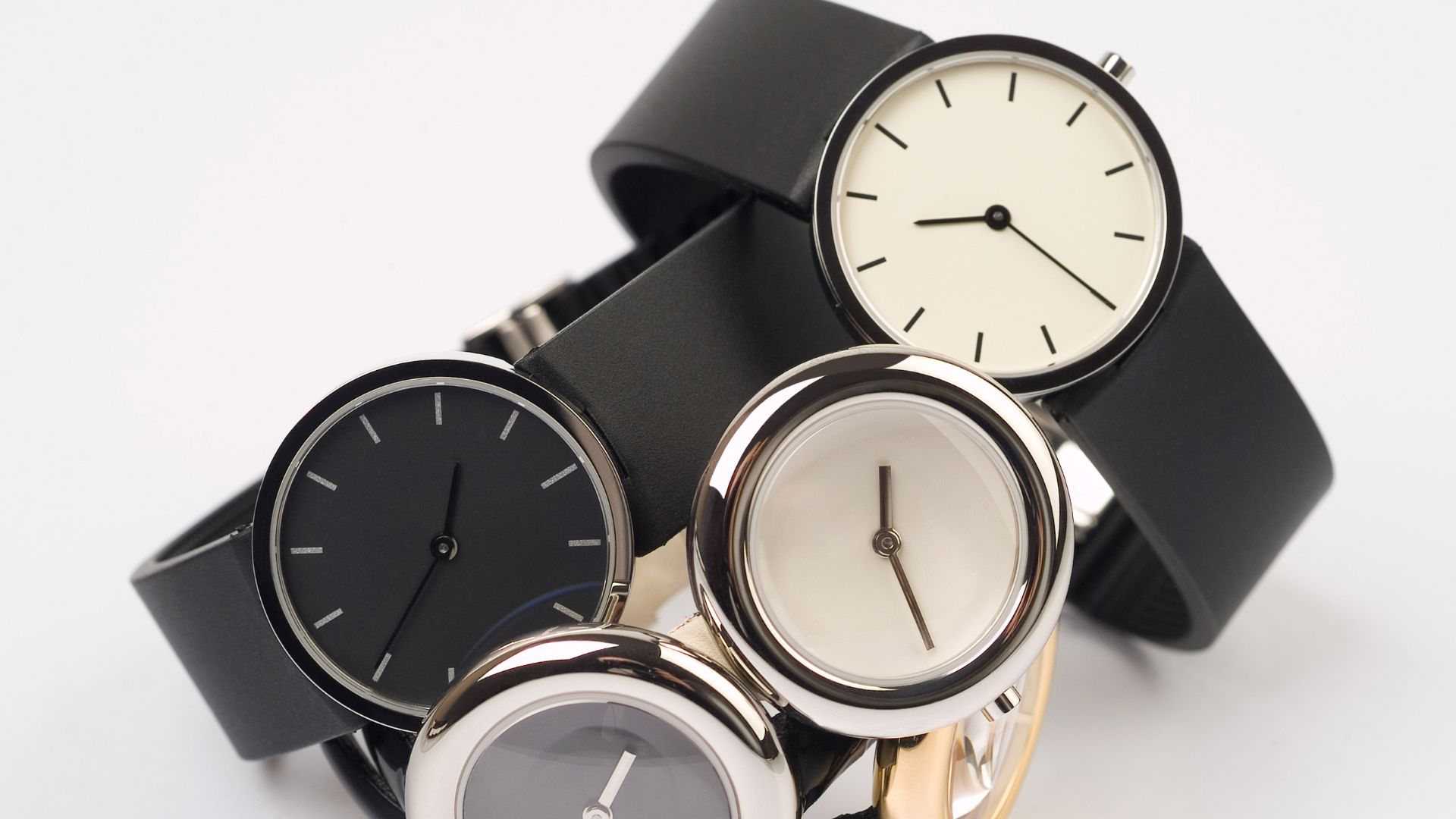
A watch is a personal timekeeping device worn on the wrist or carried as a pocket watch, designed to display time and often enhanced with additional features such as date indicators, alarms, fitness tracking, heart rate monitoring, and GPS. In contemporary markets, watches serve both functional and symbolic roles, acting as expressions of personal identity, style, and social standing.
In Greece, watches enjoy consistent popularity due to the country’s lifestyle patterns, tourism-driven consumption, and cultural affinity for well-crafted accessories. Luxury watches from established global brands are particularly valued in major urban centers such as Athens and Thessaloniki, where they are viewed as markers of success and refinement. At the same time, the rising adoption of smartwatches reflects Greece’s growing embrace of digital lifestyles, health awareness, and mobile connectivity.
Tourism plays a pivotal role in shaping market dynamics. International visitors frequently purchase watches as premium souvenirs or gifts, contributing significantly to retail and duty-free sales. As a result, the Greek watch market is characterized by a dual structure: strong demand for classic mechanical and quartz watches alongside rapidly expanding interest in electronic and smart wearable devices.
Growth Drivers in the Greece Watch Market
Rising Demand for Luxury and Fashion Accessories
Luxury and fashion-oriented watches remain a major growth driver in Greece. For many consumers, watches are not merely functional items but essential accessories that reflect personal taste, social status, and lifestyle preferences. High-income consumers in metropolitan areas favor premium international brands known for craftsmanship, heritage, and exclusivity.
Foreign tourists further amplify this demand, often purchasing luxury watches as keepsakes or gifts. Seasonal tourism peaks, particularly in destinations such as Athens, Santorini, and Mykonos, significantly boost sales through luxury boutiques and airport duty-free outlets. Brand storytelling, limited editions, and elegant designs continue to strengthen the appeal of luxury watches, ensuring steady demand despite broader economic fluctuations.
Growing Adoption of Smart and Electronic Watches
Technological advancement and increased health consciousness are accelerating the uptake of smartwatches and electronic watches across Greece. Consumers—especially younger demographics and professionals—are increasingly drawn to features such as fitness tracking, heart rate monitoring, sleep analysis, GPS navigation, and seamless smartphone connectivity.
Smartwatches are perceived as multifunctional lifestyle devices rather than simple accessories, aligning well with global wearable technology trends. As awareness of personal wellness and digital convenience grows, electronic watches are expected to capture a larger share of the overall market. Competitive pricing, frequent product upgrades, and strong marketing by global technology brands further reinforce this trend.
Tourism Growth and Retail Expansion
Greece’s thriving tourism industry is a cornerstone of watch market growth. Millions of international visitors each year contribute to robust retail activity, particularly in luxury and mid-range watch segments. Tourists often associate watches with premium gifting and long-lasting value, making them attractive purchases during travel.
Retail expansion—both offline and online—has also improved market accessibility. The growth of shopping malls, branded boutiques, jewelry stores, and e-commerce platforms allows both domestic and international consumers to explore a wide range of products. Online channels, in particular, have gained momentum by offering convenience, competitive pricing, and access to global brands, supporting long-term market development.
Challenges Facing the Greece Watch Market
Competition from International and Online Retailers
The Greek watch market faces strong competition from international brands and cross-border e-commerce platforms. Consumers increasingly purchase watches online from global retailers to access better prices, exclusive collections, or limited-edition models not available locally. This trend puts pressure on small local watch stores and independent distributors, particularly outside major urban centers.
While online competition benefits consumers, it challenges traditional retail models that rely on in-store experiences and localized customer relationships. Adapting to omnichannel strategies has become essential for domestic retailers to remain competitive.
Price Sensitivity and Economic Uncertainty
Despite growing interest in watches, price sensitivity remains a key constraint in Greece. Economic uncertainty and fluctuating consumer confidence limit discretionary spending, particularly for luxury and high-end timepieces. High import duties and taxes on foreign brands further elevate retail prices, narrowing the potential customer base.
As a result, luxury watches cater to a relatively limited segment, while mass-market and mid-range products remain more resilient during economic slowdowns. Manufacturers and retailers must carefully balance pricing, promotions, and product offerings to sustain demand across income groups.
Segment Analysis of the Greece Watch Market
Greece Electronic Watch Market
The electronic watch segment in Greece is experiencing strong growth, driven primarily by the popularity of smartwatches and digital sports watches. These products appeal to tech-savvy consumers seeking functionality, connectivity, and modern aesthetics. Features such as activity tracking, smartphone synchronization, and health monitoring make electronic watches particularly attractive to younger users and working professionals.
Online marketplaces and electronics retailers play a critical role in expanding this segment, especially in urban areas. As wearable technology continues to evolve, electronic watches are expected to remain one of the fastest-growing segments in the Greek market.
Greece Mechanical Watch Market
Mechanical watches maintain a loyal customer base in Greece, valued for their craftsmanship, heritage, and timeless appeal. Often regarded as collector’s items or luxury investments, these watches attract high-end consumers and tourists seeking classic designs. Although mechanical watches represent a smaller volume share compared to electronic models, they dominate the premium and luxury price segments.
Demand is strongest in upscale boutiques, jewelry stores, and duty-free outlets, where brand heritage and exclusivity play a central role in purchase decisions.
Greece Men’s Watch Market
Men’s watches account for a substantial share of total market revenue. Male consumers often own multiple watches, ranging from luxury mechanical pieces for formal occasions to smartwatches for daily use. Business professionals, collectors, and tourists are key contributors to this segment.
Design versatility, branding, and targeted marketing campaigns continue to drive demand in both mid-range and luxury categories, reinforcing the men’s segment as a core pillar of the Greek watch market.
Greece Luxury Watch Market
Luxury watches in Greece are supported by affluent domestic consumers and strong tourist inflows. Swiss brands, known for mechanical precision and craftsmanship, dominate this segment. Airport duty-free stores and high-end retail locations in Athens, Santorini, and Thessaloniki serve as major distribution channels.
Seasonal tourism peaks and gifting traditions further enhance luxury watch sales, making this segment highly sensitive to travel trends but consistently profitable.
Greece Watch Convenience Stores Market
Convenience stores in Greece primarily retail affordable analog, digital, and electronic watches aimed at impulse buyers and tourists. While focused on low- to mid-priced products, this segment benefits from high foot traffic and widespread availability in urban and tourist areas. It provides a steady revenue stream for mass-market brands and entry-level products.
City-Level Market Insights
Athens Watch Market
Athens represents the largest and most lucrative watch market in Greece. The city’s dense population, high tourist arrivals, and concentration of luxury retailers create strong demand across all watch categories. Luxury mechanical watches and advanced smartwatches perform particularly well, supported by affluent residents, international visitors, and a sophisticated retail infrastructure.
Volos Watch Market
Volos serves as an important regional market, focusing mainly on mid-range and budget watches. Local jewelry stores and retailers cater to residents and regional tourists seeking practical and affordable timepieces. While luxury demand is limited, growing awareness of smartwatches is gradually expanding product diversity.
Patras Watch Market
Patras, a major port city, enjoys steady demand from both residents and travelers. Sales are concentrated in fashion and electronic mid-range watches, with gradual growth in higher-end products. Retail expansion in malls and neighborhood stores improves accessibility, while festivals and travel seasons drive periodic demand spikes.
Competitive Landscape and Key Players
The Greece watch market is highly competitive, shaped by global luxury houses, technology leaders, and established watchmakers. Key players include Fossil Group Inc., Titan Company Limited, LVMH Group, Apple Inc., Compagnie Financière Richemont S.A., The Swatch Group Ltd., Citizen Watch Co. Ltd., and Seiko Group Corporation.
These companies compete through brand strength, innovation, pricing strategies, and distribution reach, with sustainability, smart features, and design differentiation becoming increasingly important.
Final Thoughts
The Greece watch market is on a solid growth trajectory, with Renub Research forecasting an increase to US$ 337.41 million by 2033 at a CAGR of 5.5%. Supported by luxury demand, smartwatch adoption, and tourism-driven retail activity, the market demonstrates resilience and adaptability despite economic and competitive challenges.
As Greek consumers and international visitors continue to value watches as both functional devices and lifestyle symbols, the market is expected to benefit from innovation, omnichannel retail strategies, and a balanced mix of traditional craftsmanship and modern technology. Brands that successfully align with evolving consumer preferences—across luxury, electronic, and mid-range segments—will be best positioned to capture future growth in Greece’s dynamic watch industry.