Growth is exciting — but for many businesses, it also brings a wave of logistical challenges. As teams expand, projects diversify, and operations become more complex, the traditional office model can start to feel restrictive. Long leases, rigid layouts, and fixed overhead costs don’t always align with the pace of modern business. That’s where Flex Office Space enters the picture.
For growing companies, flexibility isn’t a luxury — it’s a strategic advantage. From startups scaling quickly to creative teams building new service lines, adaptable work environments support both short-term needs and long-term success. Understanding how flexible workspaces function — and why they’re particularly effective in creative and urban environments — helps businesses make smarter decisions about where and how they work.
The Needs of a Growing Business Are Always Changing
Early-stage teams often work differently than established ones. A business might start with three people sharing a table, then suddenly need room for meetings, storage, production, or private calls. Six months later, the focus might shift again toward collaboration, client presentations, or hybrid schedules.
Traditional office setups assume stability. They’re designed around fixed square footage, long-term commitments, and layouts that rarely evolve. But growing companies operate in cycles of experimentation, adjustment, and expansion.
Flex Office Space supports this reality. Instead of forcing a business to fit into a rigid structure, the workspace adapts to the business. Teams can adjust the size of their footprint, reconfigure how space is used, and scale up or down without major disruptions.
Financial Breathing Room Matters
Cash flow is one of the most important factors for any expanding business. Large upfront costs for traditional offices — including buildouts, furniture, utilities, and long leases — can limit a company’s ability to invest in talent, marketing, or product development.
Flexible workspace models shift that equation. Many operational costs are bundled, and the need for long-term capital commitments is reduced. This creates predictability without locking a company into more space than it actually needs.
For growing teams, this kind of financial flexibility translates into resilience. When business accelerates, resources are available to support that growth. When priorities shift, the company isn’t burdened by unused square footage.
Space That Matches How Teams Actually Work
Work styles have changed dramatically. Collaboration, hybrid schedules, and project-based teamwork are now common across industries. A single static layout rarely serves all these functions well.
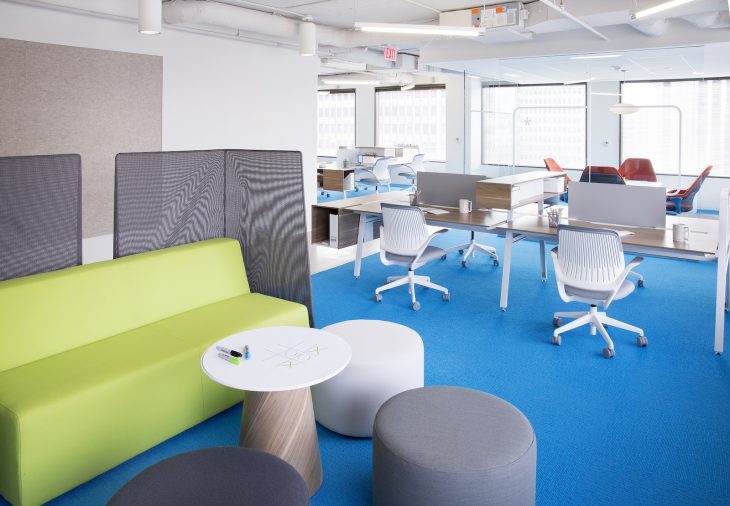
In contrast, a well-designed Flex Office Space offers multiple working environments within one location:
- Open areas for collaboration
- Quiet zones for focused work
- Meeting rooms for team discussions
- Shared amenities that support daily operations
This variety allows teams to choose how and where they work depending on the task. Designers might need open tables for brainstorming. Managers might need private areas for one-on-one meetings. Content creators might require room for equipment or staging. Flexible environments accommodate all of these without constant renovations.
Creative Energy and Urban Workspaces
Location plays a major role in how a workspace feels and functions. In creative hubs, the environment often influences productivity as much as the physical office layout.
This is where concepts like Loft Office Space become especially valuable. Loft-style environments typically feature high ceilings, natural light, and open floor plans — elements that encourage creativity and make collaboration feel more natural. These spaces often feel less corporate and more adaptable, which aligns well with the culture of growing, innovative teams.
In cities like New York, where industries such as design, media, technology, and production intersect, spaces like an NYC Loft Studio offer more than just desks. They create an atmosphere that supports ideation, content creation, and client-facing work under one roof. For businesses that blend office functions with creative output, this type of setting bridges the gap between workspace and production environment.
Supporting Hybrid and Evolving Work Models
Growth often goes hand in hand with evolving team structures. Companies may hire remote contributors, freelancers, or part-time specialists. Some employees may come in daily, while others only need occasional access.
Flexible environments accommodate this diversity. Instead of every team member requiring a permanent desk, space can be used more efficiently. Shared areas, bookable rooms, and adaptable layouts ensure that the office remains active without being overcrowded or underused.
This approach also supports company culture. When employees do gather in person, the space is designed for collaboration and connection rather than just individual desk work. Over time, this balance strengthens team relationships while respecting individual work preferences.
Professional Infrastructure without the Complexity
As businesses grow, so do their operational needs. Reliable internet, meeting facilities, security, and professional presentation spaces become increasingly important — especially when working with clients or partners.
Flex Office Space typically integrates these essentials into the environment. Instead of managing multiple service providers or handling maintenance issues internally, businesses can focus on their core work. This operational simplicity is particularly valuable for small teams without dedicated facilities staff.
At the same time, access to well-designed shared amenities can elevate the everyday work experience. Comfortable common areas, natural light, and thoughtfully designed interiors contribute to employee satisfaction and retention — both crucial for companies in growth mode.
Community and Collaboration Opportunities
One often overlooked advantage of flexible work environments is the surrounding professional community. When multiple businesses share a broader ecosystem, informal connections can lead to partnerships, referrals, or creative collaborations.
For growing companies, these networks can be just as valuable as the physical space itself. A conversation in a shared kitchen or lounge might lead to a new client or a helpful recommendation. Being around other ambitious teams fosters energy and a sense of momentum.
In urban settings, especially in creative districts, a Loft Office Space or NYC Loft Studio environment often attracts professionals in design, media, production, and tech — industries that frequently overlap. This proximity can spark cross-disciplinary ideas that wouldn’t emerge in isolated offices.
A Workspace That Reflects the Brand
As businesses mature, their physical environment becomes part of their identity. Clients, collaborators, and new hires form impressions based on where and how a company works.
Spaces with character — such as loft-style offices with open layouts and architectural details — help growing companies present themselves as established yet forward-thinking. These environments feel professional without being overly corporate, which resonates with modern clients and talent.
A flexible workspace also allows a business to evolve its physical presence alongside its brand. As teams expand or offerings change, the environment can shift accordingly, maintaining alignment between the company’s work and its surroundings.
Reducing Friction during Periods of Change
Growth rarely follows a straight line. Companies launch new services, enter different markets, or adjust their focus. Each transition can create spatial needs that differ from the original plan.
Flexible environments reduce the friction of these changes. Instead of relocating entirely or undergoing disruptive renovations, teams can adapt within the same ecosystem. This continuity supports stability while still allowing evolution.
For leadership, this means fewer logistical distractions and more time spent on strategy. For employees, it creates a smoother experience during periods of transition.
The Big Picture: Space as a Growth Tool
For expanding businesses, workspace decisions are more than operational choices — they’re strategic ones. The right environment supports productivity, financial stability, and team culture all at once.
Flex Office Space offers the adaptability needed to keep pace with growth. When combined with the creative energy of Loft Office Space and the dynamic atmosphere of an NYC Loft Studio, it becomes a setting where work, collaboration, and innovation naturally intersect.