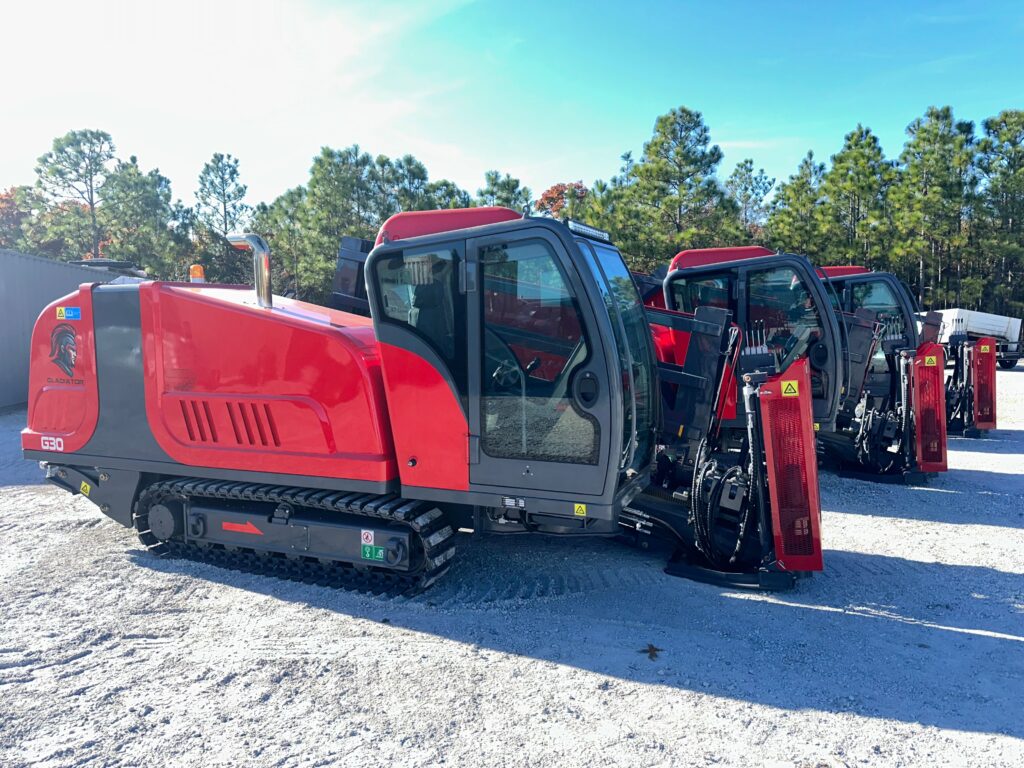
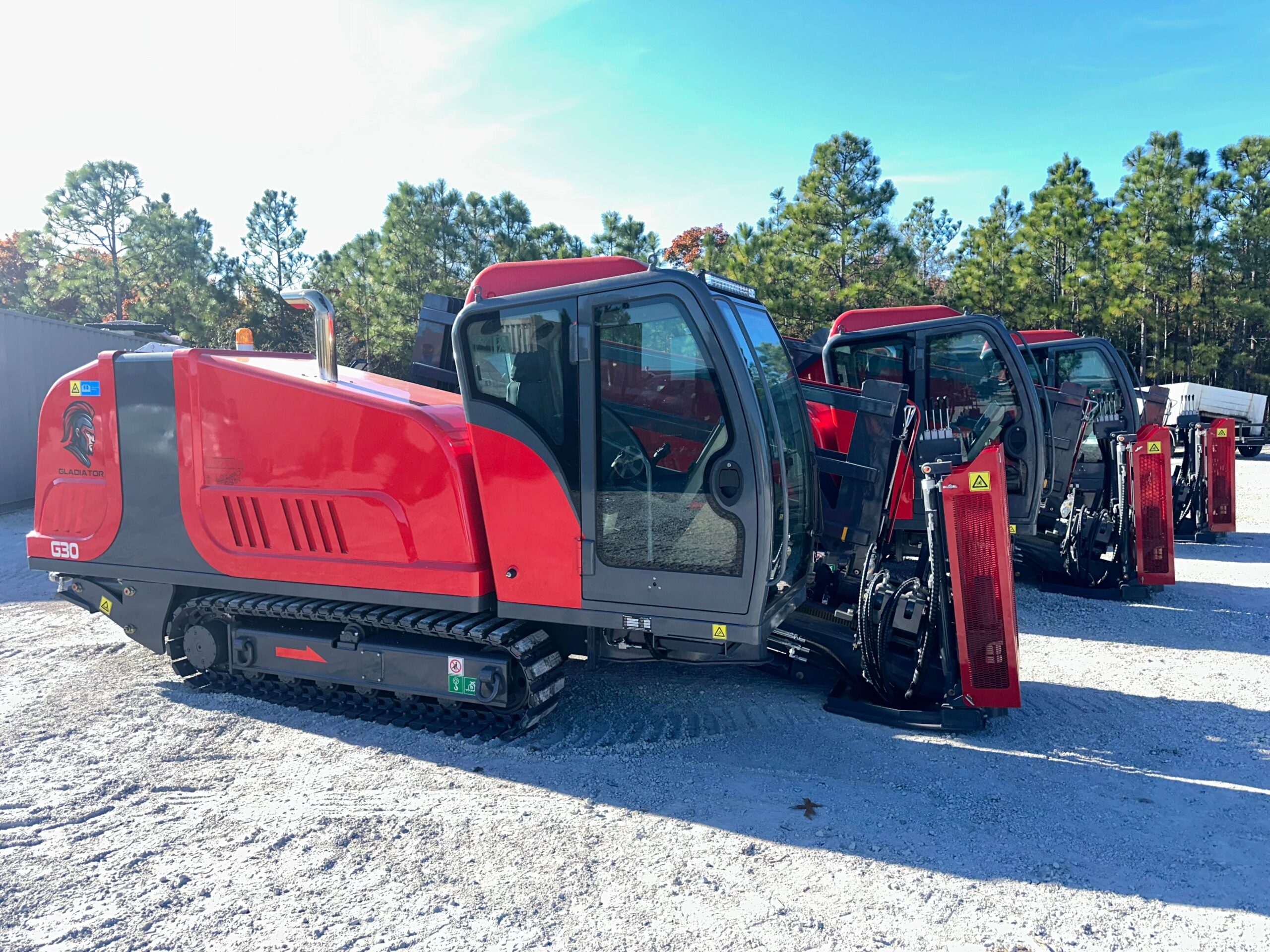
Horizontal Directional Drilling (HDD) is a revolutionary trenchless construction method used for installing underground pipelines, conduits, and utilities. This technology allows for precise installation without extensive excavation, minimizing surface disruption, reducing costs, and protecting the environment. HDD has become a preferred method for utility companies, municipal projects, and large-scale infrastructure developments.
What Is Horizontal Directional Drilling?
Horizontal Directional Drilling is a trenchless technique for installing underground pipelines, cables, and conduits along a predetermined path. The method involves drilling a pilot hole, enlarging it to the required diameter, and pulling the pipeline through the borehole. Unlike traditional open-cut trenching, HDD preserves the surface environment, making it ideal for urban areas, road crossings, waterways, and environmentally sensitive locations.
Key Components of Horizontal Directional Drilling Equipment
Drill Rig
Provides torque and thrust to drive the drill string through the soil and rock.
Can be track-mounted or wheeled depending on site requirements.
Drill Rods and Drill Head
Connects to the drill rig and pilot bore, capable of cutting through soil, clay, sand, and soft rock.
Guidance and Tracking System
Ensures accurate bore trajectory using magnetic or gyroscopic tracking.
Reamer
Enlarges the pilot bore to accommodate the pipeline diameter.
Pullback Assembly
Attaches the pipeline to the drill string for installation through the borehole.
Drilling Fluid System
Pumps drilling mud to lubricate the drill, remove cuttings, and stabilize the borehole.
How Horizontal Directional Drilling Works
Site Preparation
Entry and exit pits are excavated, and the drill rig is positioned with proper alignment.
Pilot Hole Drilling
A small-diameter pilot hole is drilled along a precise path using the drill head.
Borehole Enlargement
A reamer or backreamer is pulled through the pilot hole to enlarge it for the pipeline.
Pipeline Installation
The pipeline or conduit is attached to the reamer and pulled through the enlarged borehole.
Borehole Restoration
Drilling fluid is removed, and pits are backfilled with minimal disruption to the surface area.
Applications of Horizontal Directional Drilling
1. Utility Installations
Water, sewage, gas, and oil pipelines are commonly installed using HDD to cross roads, rivers, and urban landscapes.
2. Telecommunications and Fiber Optics
Underground conduits for internet, cable, and communication networks can be installed without trenching.
3. Road and Highway Crossings
HDD allows pipelines to pass beneath highways and roads without disturbing traffic flow.
4. Environmental and Sensitive Areas
Trenchless drilling preserves wetlands, rivers, and landscapes by avoiding open excavation.
5. Industrial Sites
Used for pipeline installation in refineries, chemical plants, and factories with minimal disruption to ongoing operations.
Advantages of Horizontal Directional Drilling
Trenchless Technology
Eliminates the need for open trenches, reducing surface damage, restoration costs, and traffic disruption.
High Precision
Ensures accurate bore alignment and exit points, critical for urban and industrial projects.
Cost-Effective
Reduces labor, excavation, and surface restoration costs while speeding up project timelines.
Environmental Protection
Minimizes impact on ecosystems, vegetation, and water bodies.
Versatility
Capable of drilling through various soil types, including clay, sand, gravel, and soft rock.
Safety
Reduces hazards associated with open trenches and heavy excavation equipment.
Choosing the Right Horizontal Directional Drilling System
Bore Length and Diameter
Select a rig capable of handling the required pipeline diameter and bore distance.
Soil and Ground Conditions
Evaluate soil type, rock content, and moisture levels to choose appropriate drill heads and mud systems.
Project Location
Urban, industrial, or environmentally sensitive sites require different drilling strategies and machine configurations.
Power and Torque Requirements
Ensure the HDD machine provides sufficient thrust and torque for the drilling task.
Operator Skill and Support
Experienced operators and technical support are essential for accurate and safe drilling.
Examples of Horizontal Directional Drilling in Action
Urban Water Main Installation
HDD installs pipelines beneath busy city streets without traffic disruption or surface excavation.
Fiber Optic Cable Deployment
Underground conduits for high-speed internet are installed using HDD under roadways and parks.
Highway Gas Pipeline Crossing
Gas pipelines are installed beneath highways using HDD, avoiding costly traffic closures.
Environmental Protection Project
HDD allows crossing rivers and wetlands for utility installation without damaging the ecosystem.
Maintenance Tips for Horizontal Directional Drilling Equipment
Regular Inspection
Examine drill rods, reamers, hydraulic systems, and tracking equipment for wear.
Lubrication and Fluid Management
Maintain drilling fluid quality and lubrication to reduce friction and prevent damage.
Monitor Torque and Thrust
Prevent overloading of the rig to avoid equipment failure and maintain efficiency.
Operator Training
Skilled operation ensures precision, safety, and prolongs machine lifespan.
Scheduled Service
Follow manufacturer guidelines for maintenance of motors, pumps, and mechanical components.
Frequently Asked Questions (FAQs)
Q1: What is the main advantage of HDD over traditional trenching?
HDD allows pipeline and utility installation underground without open trenches, reducing costs, surface disruption, and environmental impact.
Q2: What types of pipelines can be installed using HDD?
Water, gas, sewage, oil, fiber optics, and electrical conduits are all suitable for HDD installation.
Q3: Can HDD handle rocky or hard soil conditions?
Yes, with proper drill heads, reamers, and fluid systems, HDD can drill through clay, gravel, sand, and soft rock.
Q4: How long can a horizontal directional bore be?
Bore length depends on machine capability, soil conditions, and project requirements, ranging from tens to several hundred meters.
Q5: Is HDD environmentally friendly?
Yes, HDD minimizes excavation, preserves landscapes, reduces soil disruption, and lowers environmental impact.
Conclusion
Horizontal Directional Drilling (HDD) is a versatile, precise, and efficient trenchless technology that has transformed utility installation and infrastructure development. Its trenchless method reduces surface disruption, enhances safety, and provides cost-effective solutions for urban, industrial, and environmentally sensitive projects.
By selecting the right machine, maintaining it properly, and employing skilled operators, contractors can ensure accurate, safe, and efficient underground installations. For modern construction, water, gas, oil, and communication projects, Horizontal Directional Drilling is an indispensable solution for precise and minimally disruptive underground work.